


Improving headgear wear digitally
Davide Elsido
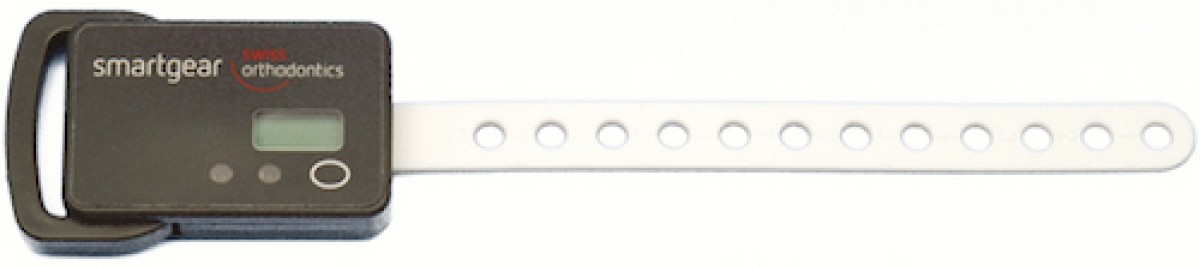
A widely accepted approach to correct a Class II relationship during growth is the use of extra-oral traction with a headgear, which has been proved to be effective in both distalizing molars and constraining skeletal maxillary sagittal displacement while at the same time allowing the mandible to grow unrestrictedly. Depending on the direction of traction, treatment with a CPHG (cervical-pull headgear) will result in the extrusion of maxillary molars, thereby rotating the mandible in a clockwise direction and increasing anterior face height, whereas the use of an HPHG (high-pull headgear) will cause an intrusive force on maxillary molars.
Another well-established approach of Class II correction is to modulate, particularly during the pubertal spurt, condylar growth by forcing the mandible in a more anterior position using removable functional appliances. While some investigators have challenged the orthopaedic effect of removable functional appliances and attributed the Class II correction mainly to dentoalveolar changes, a combined device of functional appliance and headgear has been advocated to counteract the undesirable dental effects.
Regardless of the type of headgear used and the exact underlying biological changes, treatment results are only achieved if the appliance is worn. As patient compliance is a key factor for treatment success, several measuring devices have been introduced in the past, in order to permit an objective quantification of wear time. More recently, a novel module (Smartgear®, Swissorthodontics AG, Cham, Switzerland) has successfully been approved for clinical use. The unique feature of this module is its ability to not only record time-related force magnitude but also temperature. While the recorded force reveals how long a force is acting on the system (active time), the possibility to distinguish between room and body temperature allows determining the hours the appliance is effectively worn (wear time).
In the April 2020 issue of the European Journal of Orthodontics an article was published with the aim to examine a possible discrepancy between the duration of wearing and force application, and whether such a difference is influenced by force level or direction of traction, using the Smartgear® module.
In this retrospective analysis, 122 consecutive patients were included and were monitored for three successive months using the electronic module.
This headgear study is the first to demonstrate that significant time discrepancies may occur between recorded body temperature and recorded force, signifying an incongruity between wear time and active time. This research reveals indisputably that active time might be significantly shorter than overall wear time, implying that even if the headgear is worn rigorously, it does not necessarily mean that a continuous force is applied. As such, it becomes evident that treatment outcome does not depend solely on patient compliance, but also is subject to influencing factors beyond the patient’s control.
As clinical recommendation, the results are suggestive of force levels below 250 g being particularly prone to cause inactive wear time and a recommendation not to set the force magnitude below this threshold can be submitted.
 Read more
Europe 27 September 2026 - 30 November -0001
Digital Dentistry Society Global Congress 2026: Event Preview and Professional Highlights
The Digital Dentistry Society Global Congress 2026 will take place from October 22, 2026 to October 24, 2026 in TBD, Rotating Europe, offering dental professionals a focused environment for...
Editorials 27 September 2026
Dentistry33 survey highlights replacement care, deep caries and evolving restorative workflows
Reader survey finds direct composites remain dominant, secondary caries is the leading reason for restoration replacement, and clinicians want more training in pulp preservation
Reader survey finds direct composites remain dominant, secondary caries is the leading reason for restoration replacement, and clinicians want more training in pulp preservation
Edra Professional Books 26 September 2026
Manual of oral surgery: A Practical Reference for Dental Professionals
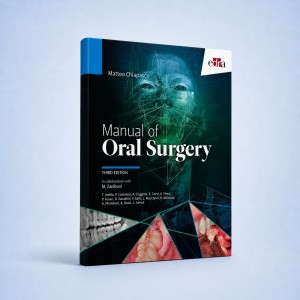
Manual of oral surgery is an Edra professional dentistry reference focused on clinical practice, education and treatment planning.
Products 25 September 2026
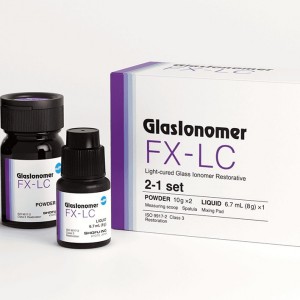
Shofu Dental’s line of dental restorative materials now includes FX-LC, a next-generation, light-cure, resin-reinforced glass ionomer formulated to deliver high strength, efficient 4
News 25 September 2026

The scholarships are part of an ongoing workforce solutions strategy to help address the need for skilled dental hygienists



Copyright © 2026 - All Rights Reserved
ISSN 2767-1178