


How to prevent the appearance of white spots during orthodontic treatments
Lara Figini
.jpg)
White spots (WS) frequently appear during orthodontic therapy with fixed appliances and usually appear in the gingival and vestibular parts of the teeth: the most affected by these lesions are the canines and the upper lateral incisors. The areas of WS are characterized by the loss of mineralization of the enamel and clinically appear more or less extensive, chalk white or brown in colour, porous and rough to the touch; it is a phenomenon linked to the different diffusion of light compared to normally mineralized enamel. These lesions are irreversible and if left untreated they evolve into tooth decay.
The incidence of WS is closely related to oral hygiene maneuvers and should always be detected by orthodontists in the initial stages. The impact of WS on patients' oral health and on the aesthetics of the smile can be very significant, hence the importance of their prevention which is mainly based on the correct selection of the patient candidate for orthodontics.
Materials and methods
In an Italian systematic review, published in the International Journal of Environmental Research and Public Health in April 2023, the authors conducted a bibliographic search of studies on the topic via the PubMed, Scopus and Web of Science databases, selecting articles only in English published from January 2018 to January 2023. The keywords used were “WS” and “fixed orthodontics*”, using "AND" as the Boolean operator. Sixteen studies in total were included for qualitative analysis.
Results
From the literature search, the authors identified a total of 1015 relevant studies. Subsequent elimination of duplicates (456) resulted in the inclusion of 559 articles. Of these, 483 were excluded: 62 because reviews and 421 because the authors judged them to be off topic.
After applying the eligibility criteria, 16 studies were included in the final review.
Conclusions
From the data of this review it can be concluded that prevention begins with maintaining correct oral hygiene, regular use of fluoride toothpastes, mouthwashes, gels, varnishes and sealants. The laser in combination with fluoride helps prevent the onset of WS and assists the repair processes of the initial lesions.
 Related articles
Oral Hygiene & Prevention 14 October 2026
Propolis-containing formulations in caries prevention - a systematic review and meta-analysis.
This peer-reviewed oral hygiene & prevention article summarizes clinical evidence from Clinical oral investigations (2026). It focuses on findings that may help dental professionals evaluate...
Oral Hygiene & Prevention 30 September 2026
Propolis-containing formulations in caries prevention - a systematic review and meta-analysis.
This peer-reviewed oral hygiene & prevention article summarizes clinical evidence from Clinical oral investigations (2026). It focuses on findings that may help dental professionals evaluate...
Oral Hygiene & Prevention 23 September 2026
Propolis-containing formulations in caries prevention - a systematic review and meta-analysis.
This peer-reviewed oral hygiene & prevention article summarizes clinical evidence from Clinical oral investigations (2026). It focuses on findings that may help dental professionals evaluate...
Oral Hygiene & Prevention 09 September 2026
Propolis-containing formulations in caries prevention - a systematic review and meta-analysis.
This peer-reviewed oral hygiene & prevention article summarizes clinical evidence from Clinical oral investigations (2026). It focuses on findings that may help dental professionals evaluate...
Oral Hygiene & Prevention 26 August 2026
Propolis-containing formulations in caries prevention - a systematic review and meta-analysis.
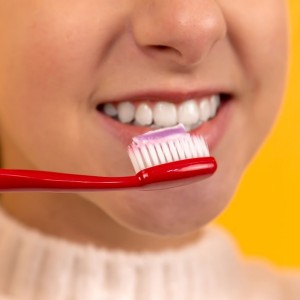
This peer-reviewed oral hygiene & prevention article summarizes clinical evidence from Clinical oral investigations (2026). It focuses on findings that may help dental professionals evaluate...
Read more

Continuous innovation across the DEXIS ecosystem helps clinicians work with greater clarity, confidence, and efficiency
News 23 October 2026
CrownPoint Partners announced the successful closing of a $9.2 million, five-property dental sale-leaseback portfolio located throughout Michigan.
News 23 October 2026
Dentsply Sirona, Midwest Dental Expand Technology Relationship
Beginning November 1, Dentsply Sirona will expand its long-standing relationship with Midwest Dental Equipment & Supply beyond consumables to include its complete technology portfo
Editorials 23 October 2026
Honoring Excellence: Graduation Awards for CU Anschutz Dental Students and Faculty

As the University of Colorado Anschutz School of Dental Medicine celebrates the graduating DDS Class of 2025, we are proud to recognize the students and faculty members whose excep
Implantology 23 October 2026
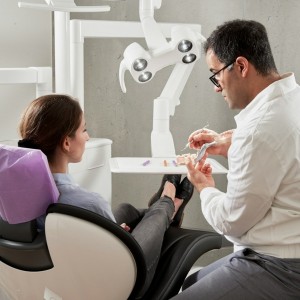
This peer-reviewed implantology article summarizes clinical evidence from Clinical oral implants research (2026). It focuses on findings that may help dental professionals evaluate treatment...


Copyright © 2026 - All Rights Reserved
ISSN 2767-1178