


Effect of quality of orthodontic finishing on the stability of anterior tooth alignment
Davide Elsido
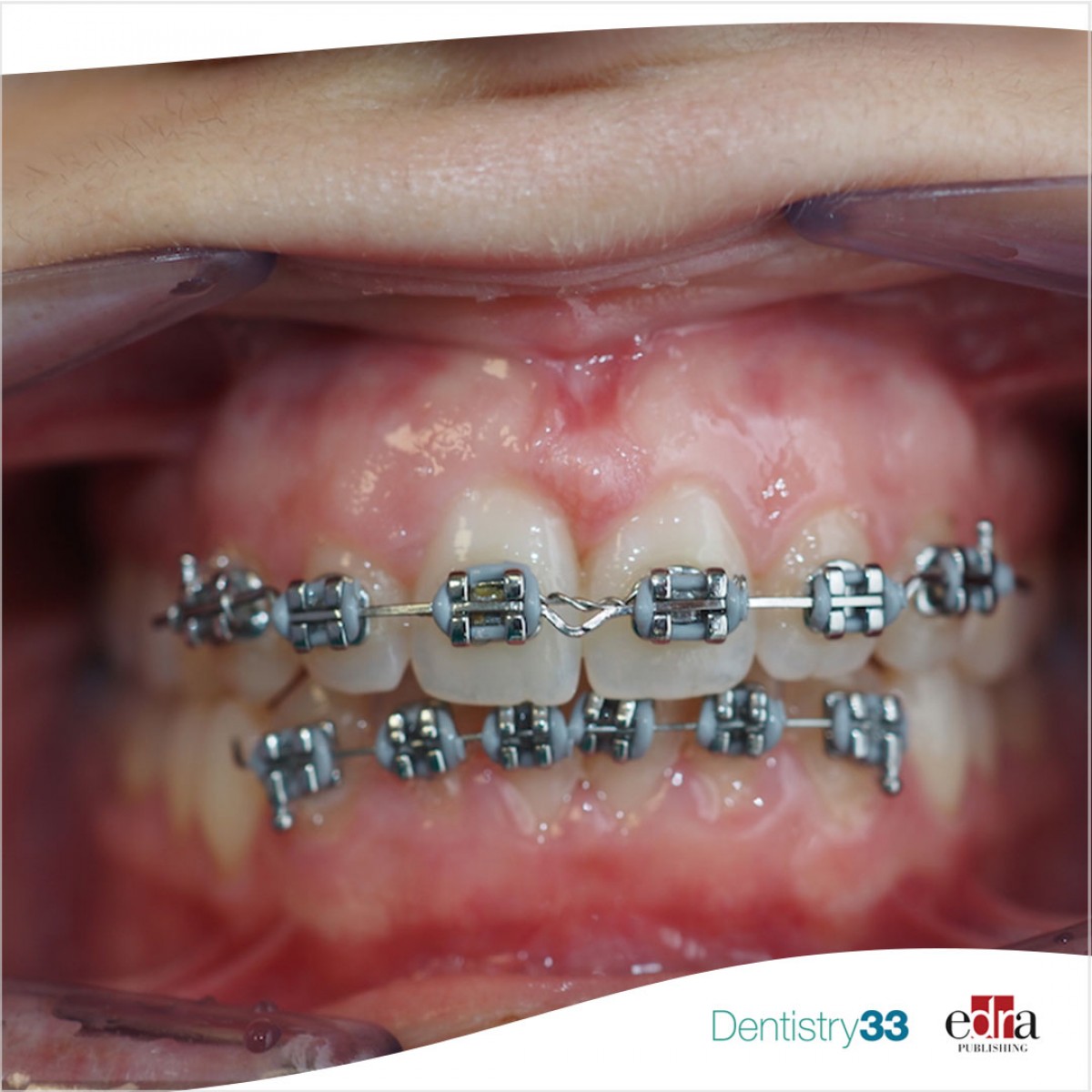
Several factors might be associated with the stability of anterior alignment after orthodontic treatment.
Maintenance of the arch form has been related to better posttreatment stability. Intercanine and intermolar widths tend to decrease in the post retention period, especially if dental arches were expanded during treatment. The presence of third molars is routinely blamed for posttreatment tooth alignment changes, although there is no scientific evidence to support a causal relationship. There is some evidence that retention is the only approach capable of maintaining long-term stability. Nevertheless, some experts argue that quality of finishing could contribute to alignment stability and advocate that prolonged use of a retainer may be unnecessary in cases with excellent alignment. The influence of the quality of finishing on stability has been poorly investigated.
Anterior esthetics is of great importance for patients, and tooth alignment produced by orthodontic treatment has a significant effect on quality of life. Hence, predicting alignment stability based on the quality of anterior alignment is relevant to the decision to maintain orthodontic retainers.
A study published in The Angle Orthodontist in May 2023 aimed to evaluate whether the quality of orthodontic finishing influenced the long-term stability of anterior tooth alignment.
Researchers evaluated 38 patients in this retrospective study. Data were obtained at the beginning of treatment (T0), at the end (T1) and at least five years after T1 (T2). At this point, the individuals were no longer wearing retainers. The effect on alignment stability was tested with multiple linear regression.
Results
At T2, the alignment stability in the upper arch was inversely associated with the alignment quality and directly associated with overbite at T1. Posttreatment changes caused cases finished with poor alignment to become similar to those finished with excellent alignment. In the mandible, posttreatment changes were directly associated only with Overjet and well-finished cases displayed better alignment than poorly finished cases. Other variables showed no significant association.
Conclusions
In arches without retention, better quality of orthodontic finishing does not guarantee the stability of anterior alignment. In the maxilla, long-term changes were more significant the greater the overbite and the better the quality of alignment at end of treatment. In the mandible, changes were not dependent on the quality of finishing but were associated with greater overbite at T2.
Paulo Mecenas, Paula Coutinho Cardoso, Nair Galvão Maia, Francisco Ajalmar Maia, David Normando; "Effect of the quality of orthodontic finishing on the stability of anterior tooth alignment." Angle Orthod 2023; doi: https://doi.org/10.2319/101722-722.1.
 Related articles
Orthodontics 21 August 2026
This peer-reviewed orthodontics article summarizes clinical evidence from Dental press journal of orthodontics (2026). It focuses on findings that may help dental professionals evaluate treatment...
Products 07 August 2026

Partnership with Eversmile makes o scillating s ystem available through HSO in the United States.
Orthodontics 07 August 2026
This peer-reviewed orthodontics article summarizes clinical evidence from Dental press journal of orthodontics (2026). It focuses on findings that may help dental professionals evaluate treatment...

Partnership with Eversmile makes o scillating s ystem available through HSO in the United States.
Orthodontics 25 June 2026
This peer-reviewed orthodontics article summarizes clinical evidence from PloS one (2026). It focuses on findings that may help dental professionals evaluate treatment decisions, patient outcomes, or...
Read more
Products 16 October 2026
Karen Davis on Philips Sonicare DiamondClean 9900 Prestige & Smarter Brushing

News 16 October 2026
Align Technology to Report Q3 2026 Financial Results October 28
(Nasdaq: ALGN), a leading global medical device company that designs, manufactures, and sells the Invisalign® System of clear aligners, iTero™ intraoral scanners, and exocad™ CAD/C
News 16 October 2026

Fewer people on intake, faster turnaround, and no lost cases: Relu’s new automation captures and centralizes every scan and Rx from every source within a minute of arrival
Editorials 16 October 2026

Achievement and service take center stage as the University of Colorado Anschutz School of Dental Medicine honors the Doctor of Dental Surgery (DDS) Class of 2026.
Implantology 16 October 2026
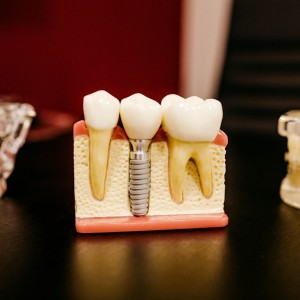
This peer-reviewed implantology article summarizes clinical evidence from Clinical oral implants research (2026). It focuses on findings that may help dental professionals evaluate treatment...



Copyright © 2026 - All Rights Reserved
ISSN 2767-1178