


Dimensional alterations in the post-extraction alveolar process in the esthetic zone
Authors: Bianca Di Murro, Piero Papi, Marco Tromba, Giorgio Pompa

The alveolar process is a tooth-dependent structure. After tooth extraction, remodeling and resorption processes influence hard and soft tissues, leading to a narrower and smaller edentulous ridge.
The majority of the remodeling process, both qualitative and quantitative, take place in the initial six months: in the mandible, bone remodeling occurs in the horizontal dimension, with a greater contraction on the buccal aspect of the crest than the lingual one, with a centripetal pattern, and therefore the crest will appear displaced in this direction. In the maxilla, on the other hand, bone reabsorption follows a centrifugal trend.
The catabolic changes occurring after tooth extraction have been related to the interruption of blood supply by the periodontal ligament, leading to important osteoclastic activity. Furthermore, the dimensional variations can be linked to various additional factors, including surgical trauma caused by the flap elevation, the lack of functional stimuli on the remaining bone walls, the lack of the periodontal ligament, and the lack of genetic information given by the tooth itself. The density of vascular structures and macrophages has been shown to decrease slowly between 2 and 4 weeks; the level of osteoclastic activity slows down beyond the fourth week, where the presence of osteoblasts increases with a peak between the sixth and eighth week, remaining stable beyond this period. Post-extraction bone remodeling seems to be located mainly in the central part of the buccal bone wall of the alveolus 8 weeks after extraction, contrary to the neighboring areas that seem to remain supported by the periodontal ligament of the periodontal ligament the adjacent teeth and that do not show bone loss. As a consequence of crystal bone resorption, a loss of the natural convexity of the vestibular contour can also occur, representing an esthetic problem, especially in the anterior zone, also increasing the future risk of mucosal recessions after implant placement. Furthermore, the absence of an adequate band of keratinized mucosa at the implant site might lead to future implant biologic complications due to the greater plaque accumulation due to bleeding and discomfort while performing tooth brushing.
It is now accepted that the first possible way to minimize cortical bone loss is to perform a non-surgical atraumatic tooth extraction with a "flapless" procedure. This method allows the reduction of healing times, patient discomfort, and local and systemic inflammation. Increasing keratinized mucosa width and mucosal thickness in post-extraction sites can offer advantages for future guided bone regeneration (GBR) and implantology procedures, especially in the aesthetic zone, which always represents a demanding challenge for prosthodontists. Hence, according to recent studies, a minimum thickness and width of 2 mm around the implant are mandatory to improve peri-implant health and the long-term aesthetic and functional results of a future implant-supported restoration. The use of ridge preservation procedures seems more effective than spontaneous healing in reducing dimensional alterations at future implant sites.
Knowledge of bone and soft tissue remodeling processes and performing atraumatic extractions can allow clinicians to obtain predictable results while performing implant prosthetic rehabilitation in the aesthetic zone.
 Related articles
Implantology 23 June 2021
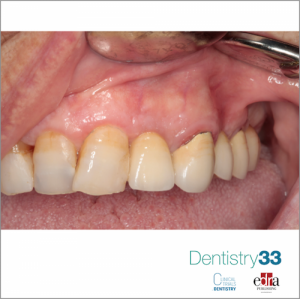
Authors: Raúl Fernández Encinas, David Peñarrocha-Oltra, Miguel Peñarrocha-Diago, Jacopo Buti, Erta Xhanari, Marco Esposito
Objectives. To evaluate whether there is a difference in aesthetic outcomes when positioning immediate post-extractive implants in the “central” position (where the natural tooth would be in...
Read more
Products 14 October 2026
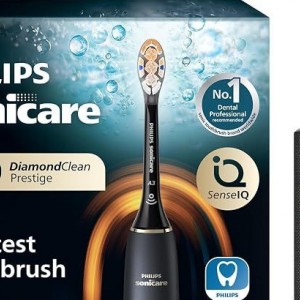
Royal Philips (NYSE: PHG, AEX: PHIA) announced that the Philips Sonicare Next-Generation DiamondClean 9900 Prestige, its most advanced and intelligent toothbrush to date, is now av

Key transaction by Heartland Dental and its supported practices expands opportunities for supported doctors, teams, and practices while strengthening Heartland Dental’s supported f
News 14 October 2026
Henry Schein Cares Celebrates 25 Years of Corporate Citizenship

Henry Schein Cares, Henry Schein, Inc.’s global corporate citizenship program, is celebrating a quarter century of bringing together Team Schein Members, customers, supplier partne
Editorials 14 October 2026
Scholarship at the CU Anschutz School of Dental Medicine reflects the collective contributions of our faculty, staff, residents and students.
Oral Hygiene & Prevention 14 October 2026
Propolis-containing formulations in caries prevention - a systematic review and meta-analysis.
This peer-reviewed oral hygiene & prevention article summarizes clinical evidence from Clinical oral investigations (2026). It focuses on findings that may help dental professionals evaluate...


Copyright © 2026 - All Rights Reserved
ISSN 2767-1178