


Wisdom teeth extraction: what drugs to give after surgery?
By Arianna Bianchi
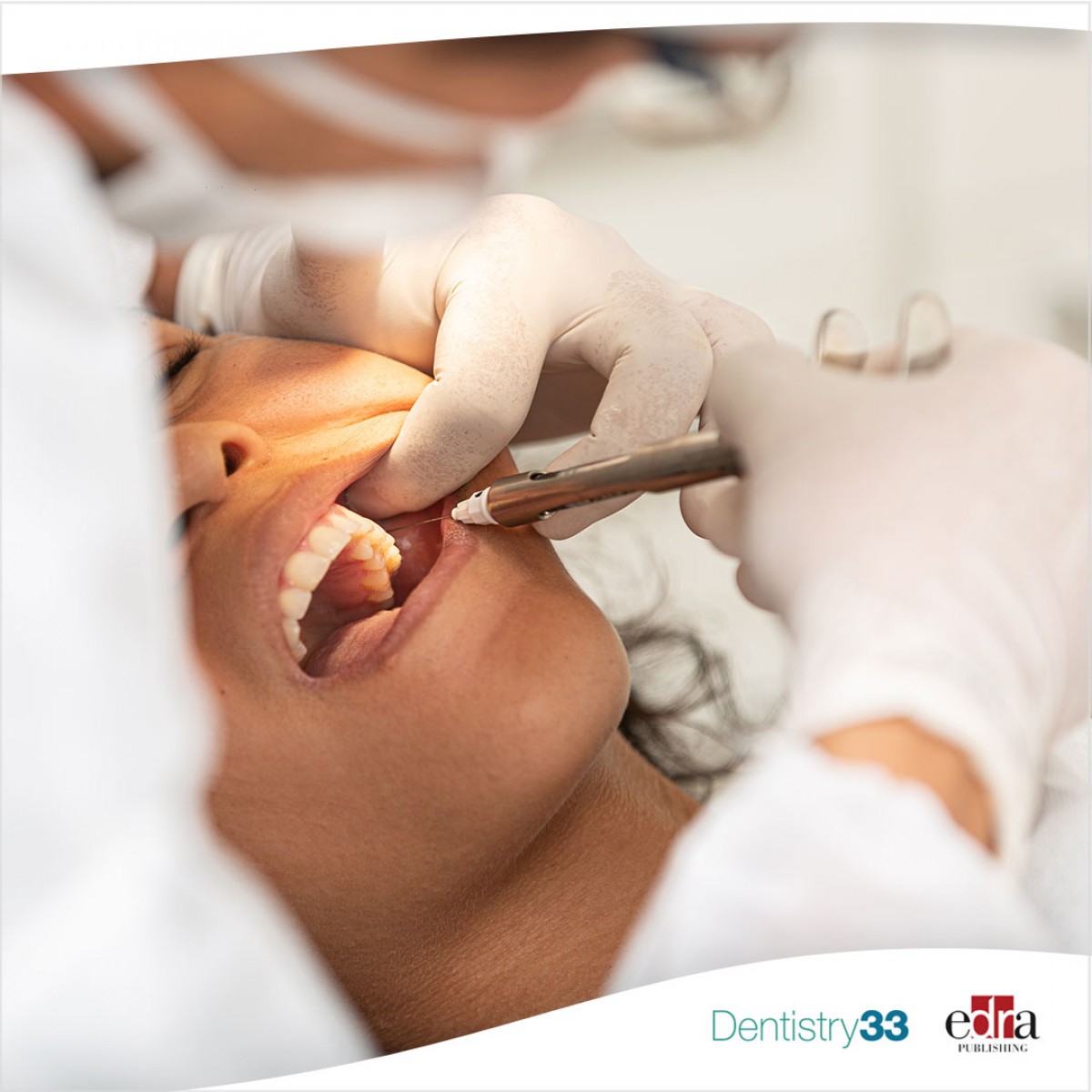
The extraction of wisdom teeth sometimes presents a challenge for dentists and patients, especially in the case of complex interventions and due to the anatomy that these dental elements have with the inferior alveolar nerve (NAI).
For this reason, therefore, correct preoperative planning is essential, observing the picture not only from a clinical point of view, but also using three-dimensional imaging methods (i.e., CBCT), if the situation requires it. However, a correct approach from a pharmacological point of view is also essential, to improve the management of post-operative pain and any discomfort of the patient after the extraction.
First, using the most effective anesthesia plays a key role. Since most dental operations take place in an outpatient setting, regional anesthesia is the most common method for anesthetizing the patient.
Blocking the inferior alveolar nerve is used to obtain the correct anesthesia, then assisted by infiltrations of anesthetic via the plexus, usually with anesthetics also containing a vasoconstrictor, which has the purpose of prolonging the effect of the anesthetic molecule and to reduce bleeding due to the operation.
After the extraction, the thing that most worries patients is the management of post-operative pain, together with infectious complications. Regarding this second aspect, antibiotic prophylaxis is a very widespread, but also controversial and debated practice and essentially linked to the possible emergence of new bacterial resistance. However, several studies have shown that antibiotics — especially penicillin — taken for prophylactic purposes after extractions or complex operations are effective in preventing infectious complications and dry sockets.
As far as the management of post-operative discomfort is concerned, recent studies have shown that the administration of dexamethasone, especially submucosal, seems to be effective in reducing post-operative sequelae. It is possible to use anti-inflammatory drugs non-steroidal drugs (NSAIDs - such as ibuprofen), which can also be associated with paracetamol. It’s important to pay attention to your patient’s existing medications, especially in patients who are already taking antiplatelet or anticoagulant therapy.
Finally, even a local antiseptic treatment can be useful after tooth extractions, above all because the patient will have to pay attention to brushing the area that has undergone surgery. The most used antiseptic is chlorhexidine, at a concentration of 0.20%, which can be used to rinse starting from the day after the operation.
 Related articles
Products 23 April 2025

JOSEPH PELERIN, DDS, has a spot on his deck where he prays or meditates. It was there that he found himself thinking about the potential for a desensitizer with a glutaraldehyde-free,...
Oral Hygiene & Prevention 08 June 2022

Authors: A.C. Ionescu, G. Gloria Cazzaniga, M. Ottobelli, M. Basso, E. Brambilla
Alteration of the equilibrium between the oral tissues and the biofilm that permanently colonizes the mouth cavity could lead to dysbiosis and is responsible for most...
Endodontics 25 September 2019
Sodium Hypochlorite or Chlorhexidine digluconate as canal irrigant during endodontic retreatment?

In the field of the endodontic treatment, retreatments are increasing in number. Several studies compared the outcome of these type of root canal therapies...
By Arianna Bianchi
In dentistry, chlorhexidine is the gold standard antiseptic for plaque control and management of gingivitis and periodontitis. The presence of the outer membrane in gram-negative bacteria can...
Pediatric dentistry 15 June 2023

The management of intense pain in childhood is often difficult and causes concern both for the parents of the young patient and clinician.
Read more
Products 22 October 2026
News 22 October 2026

Royal Philips (NYSE: PHG, AEX: PHIA), a global leader in oral healthcare, today announced the formation of the Philips Sonicare Global Clinical Advisory Board, a group of external
News 22 October 2026
Opalescence Launches Limited-Edition Teeth Whitening Flavors

Opalescence whitening , the #1-selling professional teeth whitening brand, is introducing two limited-edition flavors, available only while supplies last: Pumpkin Spice and Birthda
Editorials 22 October 2026
2025 in Review: Highlights from the CU Anschutz School of Dental Medicine
From collaborative research to exceptional patient care and education , 2025 was a year of innovation and impact at the University of Colorado Anschutz School of Dental Medicine.
Implantology 22 October 2026
This peer-reviewed implantology article summarizes clinical evidence from Clinical oral implants research (2026). It focuses on findings that may help dental professionals evaluate treatment...



Copyright © 2026 - All Rights Reserved
ISSN 2767-1178