


Sodium Hypochlorite or Chlorhexidine digluconate as canal irrigant during endodontic retreatment?
Massimo Gagliani

In the field of the endodontic treatment, retreatments are increasing in number. Several studies compared the outcome of these type of root canal therapies and, along these last years, they didn’t come to definitive results. The average percentage of success is nearly to 80%, but the different clinical setting, i.e. presence of periapical radiolucency, dimensions of the periapical pathosis and root canal previous instrumentation may lead to different clinical landscapes.
In the study presented in this paper the Authors compared the clinical and radiographic outcome of endodontic retreatment of teeth with apical periodontitis in which they used as irrigants either 1% sodium hypochlorite (NaOCl) or 2% chlorhexidine digluconate (CHX). The influence of residual infection detected by a molecular method on the outcome was also examined.
MATERIALS AND METHODS
Fifty-two root-filled teeth with apical periodontitis were randomly assigned into 2 groups according to the irrigant used during retreatment. Root canal microbiological samples taken before (S1) and after (S2) preparation using either NaOCl or CHX irrigation and after calcium hydroxide medication (S3) were subjected to 16S ribosomal RNA gene-based real-time quantitative polymerase chain reaction (qPCR) to quantify total bacteria. The periapical status was scored using the periapical index and dichotomized as healed (<3) or not healed (≥3) at the 1- and 4-year follow-up.
RESULTS
Forty-five (NaOCl, n = 20; CHX, n = 25) and 33 teeth (NaOCl, n = 16; CHX, n = 17) were available at the 1- and 4-year follow-up, respectively. After 1 year, 65% in the NaOCl group and 64% in the CHX group healed, with no differences between them (P > .05). At the later follow-up, the corresponding figures were 81% and 82%, respectively (P > .05). Canals that yielded qPCR-negative results in S3 had a higher healing rate (79%) than qPCR-positive canals (45%, P < .05). The mean bacterial load increased from S2 to S3 in half of the unhealed cases (P < .05). All S3-positive canals containing <3.12 × 10³ bacterial cell counts healed. Increasing the apical level of the root canal filling influenced the outcome (P < .05).
CONCLUSIONS
No significant differences in the clinical outcome between 1% NaOCl and 2% CHX were found. Bacterial persistence at the time of filling as detected by qPCR significantly affected the outcome. The only concern in this study is related to the concentration of NaOCl as several studies revealed a different clinical efficacy of different concentration of this irrigant solution; the presence of bacteria should be detected with faster and precise procedures up to now not available in clinical setting.
(Photo credit: Prof. Massimo Gagliani)
For additional informations:
Outcome of Endodontic Retreatment Using 2 Root Canal Irrigants and Influence of Infection on Healing as Determined by a Molecular Method: A Randomized Clinical Trial
 Related articles
Endodontics 21 September 2026
This peer-reviewed endodontics article summarizes clinical evidence from Journal of dentistry (2026). It focuses on findings that may help dental professionals evaluate treatment decisions, patient...
Endodontics 16 September 2026
This peer-reviewed endodontics article summarizes clinical evidence from International endodontic journal (2026). It focuses on findings that may help dental professionals evaluate treatment...
Endodontics 14 September 2026
This peer-reviewed endodontics article summarizes clinical evidence from Journal of dentistry (2026). It focuses on findings that may help dental professionals evaluate treatment decisions, patient...
Endodontics 07 September 2026
This peer-reviewed endodontics article summarizes clinical evidence from Journal of dentistry (2026). It focuses on findings that may help dental professionals evaluate treatment decisions, patient...
Endodontics 31 August 2026
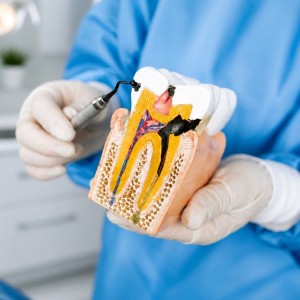
This peer-reviewed endodontics article summarizes clinical evidence from Journal of dentistry (2026). It focuses on findings that may help dental professionals evaluate treatment decisions, patient...
Read more
Products 25 September 2026
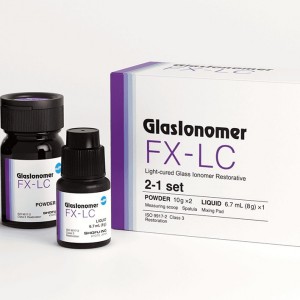
Shofu Dental’s line of dental restorative materials now includes FX-LC, a next-generation, light-cure, resin-reinforced glass ionomer formulated to deliver high strength, efficient 4
News 25 September 2026

The scholarships are part of an ongoing workforce solutions strategy to help address the need for skilled dental hygienists
News 25 September 2026

Michael Riccobene celebrates teamwork, community and more than 25 years of growth as one of sports’ most iconic trophies makes a special stop in Garner.
Editorials 25 September 2026
Oral surgery 25 September 2026
This peer-reviewed oral surgery article summarizes clinical evidence from International journal of oral and maxillofacial surgery (2026). It focuses on findings that may help dental professionals...



Copyright © 2026 - All Rights Reserved
ISSN 2767-1178