


VITAMIN D in oral gel as a prevention of mucositis during radiotherapy
Lara Figini

Worldwide, head and neck cancer (HNC) counts approximately 830,000 cases and 430,000 deaths per year according to the Global Cancer Statistics "GLOBOCAN" 2018. For HNC patients, radiotherapy (RT) is considered as a key treatment modality alone or as an adjunctive to surgical management. Radiotherapy-induced oral mucositis (RIOM) is considered the most serious non-haematological complication of cancer treatment, and is described as a tissue lesion of the oral mucosa that generates pro-inflammatory cytokines, such as tumor necrosis factor-α (TNF- α), IL-1β and IL-6. These inflammatory cascades result in manifestation of multiple painful ulcerations susceptible to secondary bacterial infection. Moreover, pain on swallowing, dehydration, xerostomia, and malnutrition are among the common findings with RIOM and it takes at least 4 weeks after RT for RIOM mucositis to heal by renewing the oral epithelium and angiogenesis. Recent studies have shown that vitamin D has a powerful antioxidant effect equivalent to or even greater than that of vitamin E, upregulates the expression of various antioxidant molecules such as glutathione, glutathione peroxidase and superoxide dismutase (SOD) and suppresses expression nicotinamide adenine dinucleotide phosphate (NADPH) oxidase. In addition, cellular studies have shown that vitamin D enhances the effect of dendritic cells, macrophages and monocytes, has a promising role in inhibiting cell proliferation, stimulating the repair of DNA damage and preventing tumor angiogenesis. Due to these multiple characteristics, vitamin D can be considered a valid adjuvant to conventional mucositis therapies in cases of radiotherapy for head and neck cancer.
Materials and Methods
In a recent three-arm randomized controlled clinical trial, published on Oral Disease, July 2021, the authors evaluated the efficacy of a topical oral vitamin D gel in the prevention of radiotherapy-induced oral mucositis. Forty-five patients with head and neck cancer receiving radiotherapy were included in this study and were randomly divided into one of the following three groups:
- group 1: conventional treatment comprising: an antifungal agent (Miconaz® oral gel, Medical Union Pharmaceuticals), sodium bicarbonate mouthwash (Alkamisr® sachets, Misr Co. For Pharm. Ind. SAE) as basic oral hygiene before RT radiotherapy, a topical anesthetic and anti-inflammatory agent (BBC® oral spray, Amoun Pharmaceutical) and a topical analgesic gel (Oracure® gel, Amoun Pharmaceutical Company) in cases of painful symptoms.
- group 2: application of the oral topical vitamin D gel
- group 3 or combined: application of the topical oral vitamin D gel in addition to conventional treatment.
All therapeutic agents were applied twice daily for 6 weeks.
All patients were clinically examined three and six weeks after initiation of radiotherapy for pain and mucositis score according to WHO criteria.
Results
After 6 weeks of radiotherapy, (33.5%) the patients in control group developed high-grade severity of oral mucositis while the patients in the two-test groups “vitamin D group and combined therapy group” remained with low-grade severity or with complete remission. Mean pain scores showed a significant decrease in the combined therapy group and to a close degree in vitamin D group rather than the control group.
Conclusions
From the data of this study, which must be confirmed in other similar studies, it can be concluded that the topical oral vitamin D gel has a beneficial effect in reducing the development of oral mucositis and in reducing the sensation of pain during the radiotherapy period in particular. when combined with conventional therapeutic agents.
Clinical implications
The application of vitamin D-based gels could guarantee certain relief of pain from oral mucositis dependent on radiotherapy, reducing the appearance of the same as a side effect. However, we need studies with longer-term data on the application of topical vitamin D that also evaluate the effect of the latter on xerostomia (as 70% of patients with head and neck cancer and in radiotherapy develop xerostomia) and the other late side effects of radiotherapy.
For additional information: Vitamin D oral gel for prevention of radiation-induced oral mucositis: A randomized clinical trial
 Related articles
Oral pathology 29 September 2020
Efficacy of melatonin in prevention of oral mucositis in patients on anticancer therapy

Head and neck cancers are unfortunately common today and the treatment options are multidisciplinary approaches including surgery, chemotherapy, and radiotherapy. However, radiotherapy and...
Oral Hygiene & Prevention 05 June 2025
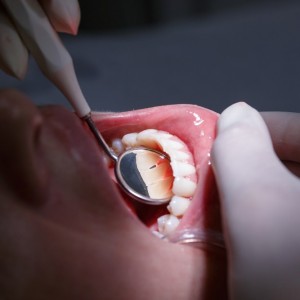
Background: In the literature, among oral health prevention programs dedicated to cancer patients, a wide heterogeneity is evident.
Read more
Europe 18 October 2026 - 30 November -0001
IDS Cologne 2027 in Cologne: Event Preview and Professional Highlights
The IDS Cologne 2027 will take place from March 16, 2027 to March 20, 2027 in Cologne, Germany, offering dental professionals a focused environment for continuing education, clinical updates and...
Solutions is an Edra professional dentistry reference focused on clinical practice, education and treatment planning.
Products 16 October 2026
Karen Davis on Philips Sonicare DiamondClean 9900 Prestige & Smarter Brushing

News 16 October 2026
Align Technology to Report Q3 2026 Financial Results October 28

(Nasdaq: ALGN), a leading global medical device company that designs, manufactures, and sells the Invisalign® System of clear aligners, iTero™ intraoral scanners, and exocad™ CAD/C
News 16 October 2026

Fewer people on intake, faster turnaround, and no lost cases: Relu’s new automation captures and centralizes every scan and Rx from every source within a minute of arrival


Copyright © 2026 - All Rights Reserved
ISSN 2767-1178