


Efficacy of melatonin in prevention of oral mucositis in patients on anticancer therapy
Lara Figini
Head and neck cancers are unfortunately common today and the treatment options are multidisciplinary approaches including surgery, chemotherapy, and radiotherapy. However, radiotherapy and chemotherapy are not specific and inhibit the rapidly dividing of cells without distinguishing between normal and tumor cells.
One of the most debilitating side effects of anticancer therapy is the development of oral mucositis, which affects 40% -80% of patients undergoing chemotherapy and almost all those undergo radiation therapy of the head and neck.
Radiation-induced oral mucositis occurs due to DNA damage and cell apoptosis. To date, there is no defined effective therapy for mucositis or the pain associated with it.
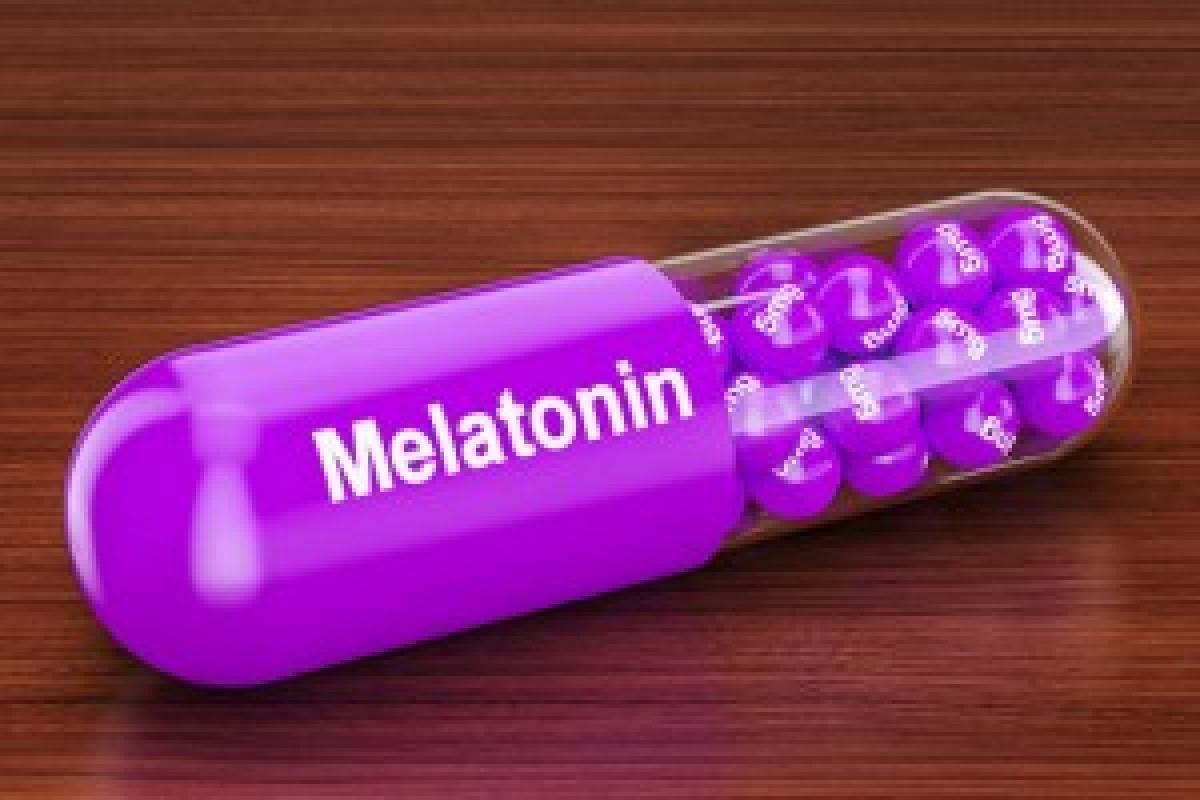
However, numerous studies have been conducted which proposed preventive and therapeutic management. Many studies in the literature have reported the use of melatonin in the treatment of various human oral conditions due to its cytoprotective and anti-inflammatory properties.
Materials and methods
In a study published in the Oral Disease of April 2020, the authors assessed the effectiveness of melatonin in the prevention of radiation-induced oral mucositis.
This randomized controlled clinical trial was conducted in forty patients with head and neck cancer (HNC) who underwent radiation therapy at the Department of Clinical oncology, Alexandria University, Egypt. Patients were equally assigned to either the control group (which received conventional treatment) or the test group (which received 20 mg of melatonin along with conventional treatment). All patients were clinically assessed for severity and pain of oral mucositis three and six weeks after initiation of radiation therapy. In addition, samples were assessed about the total antioxidant capacity (CT) in the saliva of the patients at the start of radiation therapy and six weeks later.
Results
92.5% of patients experienced oral mucositis with greater severity in the control group (30%) than in the test group (5%). Mean pain scores were significantly reduced in the test group compared to the control group. Total antioxidant capacity (TAC) values showed a significant difference between the test group and the control group with a significant reduction in the TAC in the control group.
Conclusions
From the data of this study, which must be confirmed in other similar studies, it can be concluded that the administration of melatonin associated with conventional anticancer treatment significantly reduces the development of oral mucositis.
Clinical implications
The dentist, in patients in radiotherapy and chemotherapy for head and neck cancer and who can develop oral mucositis with high probability, can rely on melatonin, associated with conventional therapies, as it is able to reduce pain from mucositis and is able to hinder the reduction of the CT scan resulting from radiation therapy.
For additional information: Efficacy of Melatonin in Prevention of Radiation-Induced Oral Mucositis: A Randomized Clinical Trial.
 Related articles
Oral pathology 10 September 2021
VITAMIN D in oral gel as a prevention of mucositis during radiotherapy
Worldwide, head and neck cancer (HNC) counts approximately 830,000 cases and 430,000 deaths per year according to the Global Cancer Statistics "GLOBOCAN" 2018. For HNC patients, radiotherapy (RT) is...
Read more
Europe 18 October 2026 - 30 November -0001
IDS Cologne 2027 in Cologne: Event Preview and Professional Highlights

The IDS Cologne 2027 will take place from March 16, 2027 to March 20, 2027 in Cologne, Germany, offering dental professionals a focused environment for continuing education, clinical updates and...
Solutions is an Edra professional dentistry reference focused on clinical practice, education and treatment planning.
Products 16 October 2026
Karen Davis on Philips Sonicare DiamondClean 9900 Prestige & Smarter Brushing

News 16 October 2026
Align Technology to Report Q3 2026 Financial Results October 28
(Nasdaq: ALGN), a leading global medical device company that designs, manufactures, and sells the Invisalign® System of clear aligners, iTero™ intraoral scanners, and exocad™ CAD/C
News 16 October 2026

Fewer people on intake, faster turnaround, and no lost cases: Relu’s new automation captures and centralizes every scan and Rx from every source within a minute of arrival


Copyright © 2026 - All Rights Reserved
ISSN 2767-1178