


N-acetylcysteine nano-spray versus conventional treatment in the management of radiotherapy-induced oral mucositis in oral cancer patients: a randomized clinical trial.
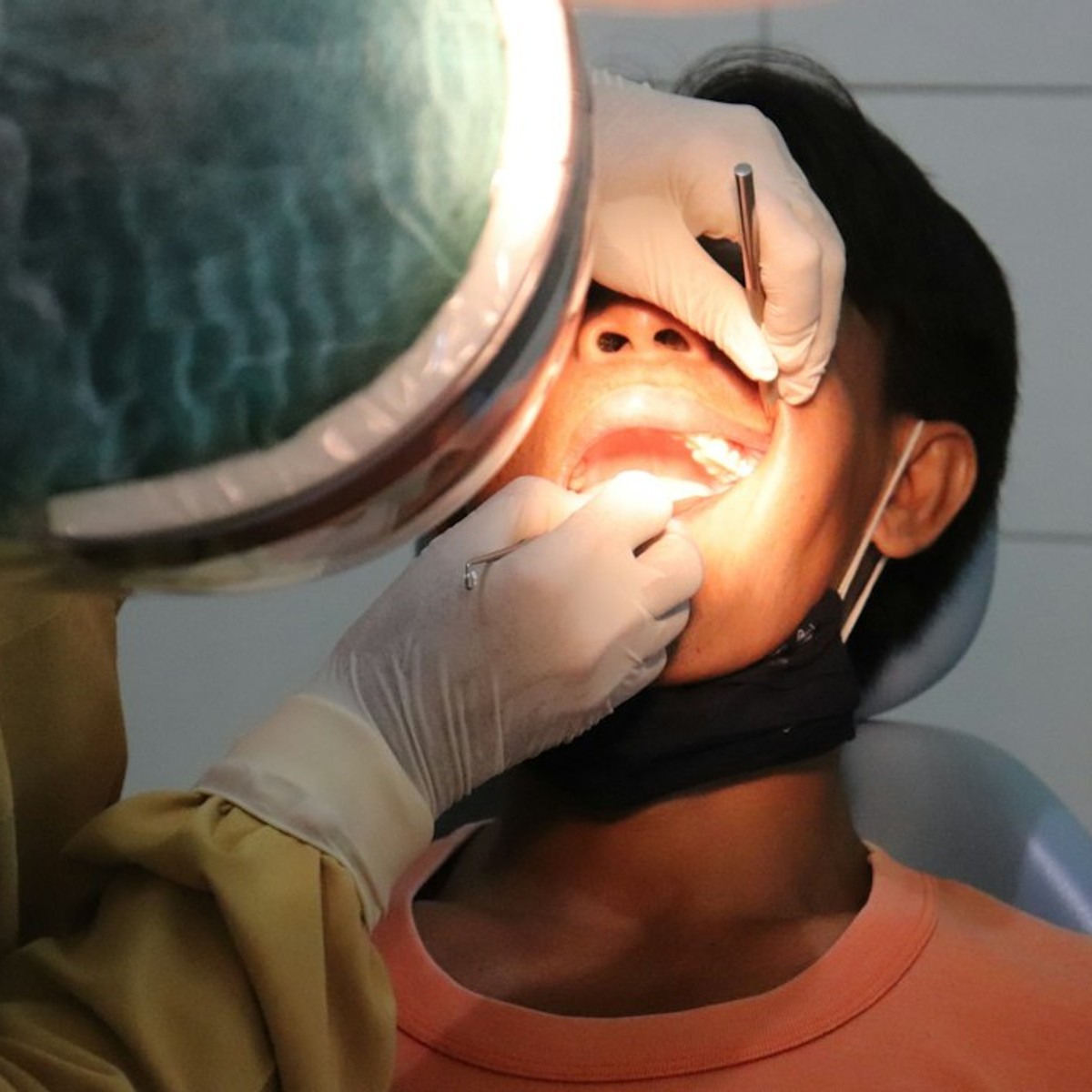
This peer-reviewed oral pathology article summarizes clinical evidence from BMC oral health (2026). It focuses on findings that may help dental professionals evaluate treatment decisions, patient outcomes, or clinical protocols.
Abstract
BACKGROUND: Radiation-induced oral mucositis (RIOM) is a common and debilitating complication of radiotherapy in oral cancer patients, significantly impairing quality of life and potentially interrupting treatment. This study evaluated the therapeutic efficacy of N-acetylcysteine (NAC) nano-spray in managing RIOM, with particular emphasis on mucositis severity, quality of life, and serum gastrin-17 levels.
MATERIALS AND METHODS: In this randomized clinical study, 40 oral cancer patients undergoing radiotherapy were allocated in a 1:1 ratio to receive either NAC nano-spray (n = 20) or conventional therapy (n = 20) for six weeks. Mucositis severity was assessed using the World Health Organization (WHO) Oral Mucositis Severity Scale, and quality of life was evaluated using the Oral Health Impact Profile (OHIP-14). Serum gastrin-17 levels were measured before and after treatment.
RESULTS: Patients treated with NAC nano-spray demonstrated a significant reduction in WHO mucositis grades and significantly improved OHIP-14 scores compared with the control group (p < 0.05). Additionally, a significant increase in serum gastrin-17 levels was observed in the NAC group relative to conventional therapy (p < 0.05). These effects were evident during radiotherapy and at the end of treatment.
CONCLUSIONS: N-acetylcysteine nano-spray appears to be an effective therapeutic option for the management of RIOM, reducing mucositis severity and improving quality of life in oral cancer patients.
TRIAL REGISTRATION: The trial was registered at Clinical Trials .gov on 24/7/2025, registration number: (NCT07082621).
Key takeaway
Key takeaway: Because the evidence comes from a clinical trial design, the findings may be especially useful when comparing treatment approaches in daily practice.
Introduction from full text
Radiotherapy is a commonly used cancer treatment that entails lethal doses of radiation against cancer cells [ 1 ]. However, exposure of normal tissue to radiation can cause both acute and chronic toxicity, including dermatitis, oral mucositis, altered taste, pain, dry mouth, decreased appetite, and even ulceration [ 2 ].
Oral mucositis is one of the most common complications of cancer therapy, chemotherapy, and radiation therapy. In patients with granulocytopenia, it often leads to systemic infections and nutritional deficiencies due to the intake of a restricted diet [ 3 ].
Despite technological advances, a successful method for the prevention of radiation-induced oral mucositis and normal cell toxicity has yet to be developed [ 4 ]. Although many recent studies have shown the potential of radiation in protection against chemicals and small molecules, most of them have yet to reach the preclinical stage due to their toxicity and side effects, and the unknown mechanisms involved in radiation protection. Radiation-induced oral mucositis is caused by a variety of mechanisms, including but not limited to the release of free radicals, modified proteins, and proinflammatory cytokines, including interleukin-1β, prostaglandins, and tumor necrosis factor by irradiated epithelial, endothelial, and connective tissue cells in the buccal mucosa [ 5 ].
Previous studies have reported an increase in intracellular reactive oxygen species (ROS) levels during radiation-induced oral mucositis. Scavengers such as vitamin E, amifostine, and N-acetylcysteine (NAC) are known to inhibit oral mucositis, indicating a role for ROS in radiation-induced oral mucositis [ 6 ].
Although the radioprotective effects of scavengers are unknown, ROS scavenger supplements are seen to partially protect against sublethal damage induced by ionizing radiations. Therefore, we elucidated the relationship between autophagy and the antioxidant signal transduction mechanism.
NAC is a free radical scavenging antioxidant [ 7 ]. Several studies have reported on its efficacy in reducing inflammation of the mucous membranes, improving the elimination and excretion of sputum in inflammatory diseases of the respiratory system, and inhibiting the secretion of cytokines [ 8 ].
Nuclear factor erythroid 2-related factor 2 (NRF2), an antioxidant, is regulated by upstream signal transduction factors such as mitogen-activated protein kinases, extracellular signal-regulated kinase, c-Jun N-terminal kinase, and phosphatidylinositol 3-kinase [ 9 ]. Under oxidative stress, NRF2 is not degraded and translocates to the nucleus where it binds to the promoter regions of antioxidant genes, such as glutathione transferases, UDP-glucuronosyltransferases, γ-glutamylcysteine synthetase, glutathione peroxidase, heme oxygenase-1, catalase, and NAD(P)H:quinone oxidoreductase-1, to upregulate their transcription [ 10 ].
The mechanism for the radioprotective effect of NRF2 is unknown. However, it is known to depend on radiation-induced ROS generation that leads to cell and DNA damage. Interestingly, recent reports have shown that the NRF2 pathway correlates with autophagic signaling and contributes to antioxidant-mediated protection of the cells by eliminating oxidatively damaged organelles and proteins [ 11 ].
In this study, we investigated the protective effect of NAC against radiation-induced oral mucositis in animal studies and keratinocytes. The associated signaling mechanisms, specifically those involving the autophagic signaling pathway, were also studied.
Peer-reviewed source
Alaa Essam, Shahira El Domiaty, Nahed Attia, Hala Helal, Mohamed Meheissen
BMC oral health. 2026
DOI: 10.1007/s12094-017-1672-8
PMID: 41862922
PubMed: https://pubmed.ncbi.nlm.nih.gov/41862922/
Image: Mufid Majnun (Unsplash)
 Related articles
Oral pathology 13 October 2026

This peer-reviewed oral pathology article summarizes clinical evidence from Oral oncology (2026). It focuses on findings that may help dental professionals evaluate treatment decisions, patient...
Oral pathology 06 October 2026

This peer-reviewed oral pathology article summarizes clinical evidence from Oral oncology (2026). It focuses on findings that may help dental professionals evaluate treatment decisions, patient...
Oral pathology 02 October 2026
This peer-reviewed oral pathology article summarizes clinical evidence from BMC oral health (2024). It focuses on findings that may help dental professionals evaluate treatment decisions, patient...
Oral pathology 29 September 2026

This peer-reviewed oral pathology article summarizes clinical evidence from Oral oncology (2026). It focuses on findings that may help dental professionals evaluate treatment decisions, patient...
Oral pathology 22 September 2026

This peer-reviewed oral pathology article summarizes clinical evidence from Oral oncology (2026). It focuses on findings that may help dental professionals evaluate treatment decisions, patient...
Read more
Products 03 November 2026
A recent in vitro study conducted by researchers in India¹ demonstrates that activating the irrigant with the SmartLite Pro EndoActivator significantly accelerates bacterial reduct
News 03 November 2026

HuFriedyGroup, a global dental solutions company with a more than century-long heritage of advancing clinical performance, today announced that Hu-Friedy Mfg.
News 03 November 2026

Five-Year Pledge to the AAO Foundation Advances Research, Education, Mentorship, and Leadership to Help Shape the Future of Orthodontics
Editorials 03 November 2026
CU Anschutz School of Dental Medicine Welcomes Orthodontic Residency Class of 2029
The CU Anschutz School of Dental Medicine is proud to welcome the Graduate Orthodontics and Dentofacial Orthopedics Residency Class of 2029, a group of 12 residents beginning an in
Products 02 November 2026
Three-Dimensional Facial Scanning in Dentistry: Why and How?


Copyright © 2026 - All Rights Reserved
ISSN 2767-1178