


Identifying head and neck cancer: for the patient
By Anita M. Mark
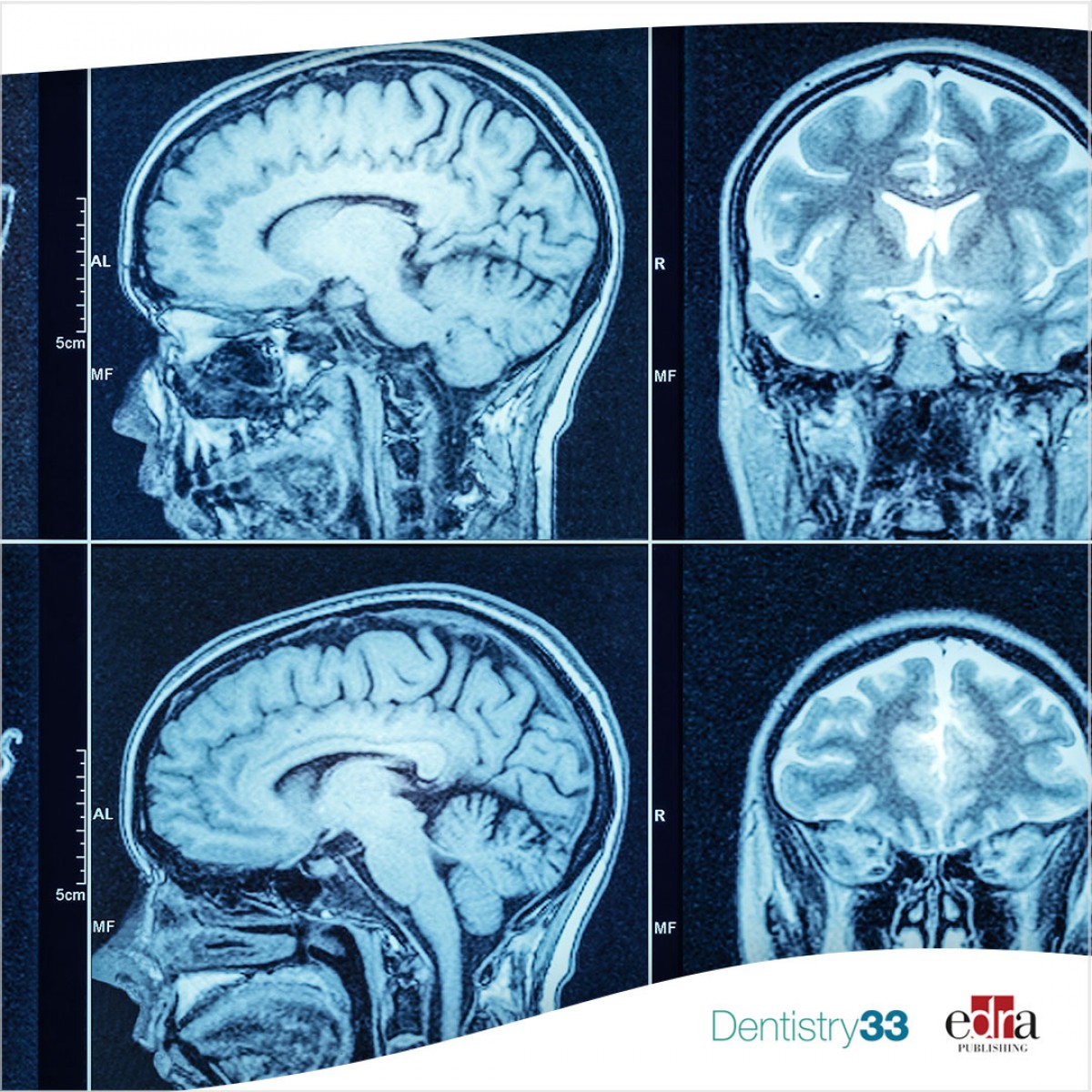
Head and neck cancer is common. Luckily, chances of survival are good if it is treated before it spreads to other parts of the body. Head and neck cancer can affect areas in and around the mouth, such as
- lips, face, and neck
- inside the cheeks
- front of or under the tongue
- back and base of the tongue
- soft part of the roof of the mouth
- tonsils.
What puts me at risk?
Several factors put you at risk of developing head or neck cancer. Some risks you cannot control, like age and sex. These cancers are more common after the age of 35 years and are twice as likely to develop in men as women.
Infection with the human papillomavirus also increases your risk. Children 12 years or younger can become infected with human papillomavirus but may not develop cancer until middle age. For this reason, it is recommended that children as young as 9 years old receive the human papillomavirus vaccination.
Risk factors that you can control include tobacco use or heavy drinking of alcohol (that is, ≥ 4 drinks per day). This risk increases with use of tobacco and alcohol together. A poor diet, low in fruits and vegetables, also increases cancer risk.
You can also get cancer outside the mouth. Spending too much time in the sun can increase the risk of cancer on the neck, face, or lips.
Signs of head, neck cancer
Your dentist may be able to spot early signs of cancer in and around the mouth or on the skin. Some of the signs of mouth and throat cancer include
- red or white patches in your mouth that will not go away
- trouble swallowing, speaking, chewing, or moving the tongue or jaw
- pain or numbness on the lips or in the mouth
- rough or crusty spot on your lips
- cough, sore throat, or hoarseness that will not go away.
Spotting skin cancer
Because your dentist is taking a close look at the area in and around your mouth, they also may catch unusual spots on your skin. Some of these spots may be:
- misshapen, with one side looking different than the other
- jagged around the edge
- itchy, numb, or painful
- dark or a raised, waxy spot.
If your dentist notices spots like these, they may suggest that you see your physician or a physician who specializes in skin problems (that is, a dermatologist).
Conclusion
Regular visits to your dentist may help you identify head and neck cancer early.
Anita M. Mark. "Identifying head and neck cancer." JADA. Volume 154, issue 3, p276, March 2023. DOI:https://doi.org/10.1016/j.adaj.2022.12.009
 Related articles
Editorials 26 February 2026
Shared Process Underlies Oral Cancer Pain and Opioid Tolerance
Blocking growth factor receptor signaling using cancer drugs may overcome two challenges: managing cancer pain and preventing tolerance to painkillers
Editorials 24 December 2025

Editorials 22 October 2025

She will examine how Medicaid adult dental coverage and preventive dental visits influence diagnosis and survival outcomes for oral and pharyngeal cancers.
Oral Hygiene & Prevention 03 October 2025
Dental treatment planning and management for the mouth cancer patient
The need to deliver cancer treatment promptly often requires modification of ideal dental treatment plans.
Products 17 September 2025

Dentulu, the leading teledentistry provider expanding access to dental care through innovative at-home preventive services, today announces a partnership with Viome, the leader in AI-powered,...
Read more
Products 15 October 2026
The belief in the healing power of light goes all the way back to ancient Egypt and the worship of Rah, the sun god.
Nearly half the world’s population is affected by oral disease—and the number of cases is rising.
News 15 October 2026

New office at 3170 R Street adds walk-in availability and same-day care options in a region where dental providers are in short supply

Each year, the University of Colorado Anschutz School of Dental Medicine (SDM) Excellence Awards recognize individuals whose dedication, leadership and innovation strengthen our mi
Oral surgery 15 October 2026
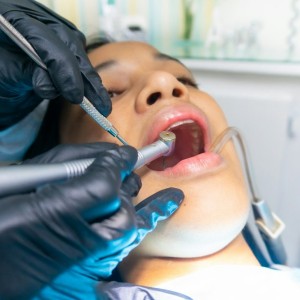
This peer-reviewed oral surgery article summarizes clinical evidence from International journal of oral and maxillofacial surgery (2026). It focuses on findings that may help dental professionals...



Copyright © 2026 - All Rights Reserved
ISSN 2767-1178