


Using AI to treat head and neck cancers

Head and neck cancer is the seventh most common cancer worldwide, accounting for more than 660,000 new cases and 325,000 deaths each year. Despite advances in treatment, many cases are still diagnosed at later stages, often because early stages of the disease can be asymptomatic, and screening options remain limited.
To help address these challenges, a research team at Harvard School of Dental Medicine (HSDM) is exploring how artificial intelligence (AI) and genomics could transform the way head and neck cancer is detected and treated, potentially enabling earlier diagnoses and more personalized therapies. In a recent study published in the Journal of Oral and Maxillofacial Surgery, researchers examined the challenges and opportunities involved in integrating AI and genomics into clinical practice.
Led by Fernando Guastaldi, assistant professor of Oral and Maxillofacial Surgery (OMFS) at HSDM and Massachusetts General Hospital, the team includes HSDM dental students Matthew Watt, DMD26, and Samat Borbiev, DMD28, as well as resident Camila Tussie, DMD25, MMSc28. Together, they explored how data-driven approaches can uncover insights that would be difficult to achieve through human analysis alone, ultimately supporting more precise clinical decision-making.
The team found that genomic and molecular data offer a detailed view of the biological drivers of cancer, revealing mutations, gene expression patterns, biomarker signatures, and molecular subtypes that influence how tumors behave and respond to treatment. However, each patient’s genomic profile can contain millions of data points, making interpretation a significant challenge.
“AI, particularly machine learning and deep learning, is uniquely suited to identifying complex, high-dimensional patterns in data that humans cannot efficiently parse,” said Guastaldi. “By integrating imaging, pathology, and genomic data, AI has the potential to detect cancer earlier, predict recurrence, and identify high-risk patients. This could lead to earlier interventions, more personalized treatment, and improved survival—especially in underserved settings.”
As the team investigated these possibilities, they also examined the challenges of applying AI in oral oncology, including issues related to data quality and standardization, algorithm transparency, clinical workflow integration, infrastructure gaps, and ethical and privacy concerns.
“It’s very important that we don’t just adopt new technology solely for the sake of novelty. We must be selective with new technology, seeking out what is evidence-based, ethical, and clinically validated,” said Tussie.
For Watt, Borbiev, and Tussie, the project served as an opportunity to engage deeply with an evolving field and to better understand how emerging technologies may shape their future careers.
“Ultimately, I see this work as foundational, informing how I think about patient care, research design, and the future role of oral surgeons in a data-rich healthcare environment,” said Watt, who will be furthering his training in OMFS after graduation.
Borbiev, who is also interested in pursuing OMFS, gained exposure to current standards of oral cancer care while exploring how hospitals across specialties are integrating AI to improve patient outcomes.
“It gave me further perspective into the current shortfalls of AI, further illustrating where research efforts need to be concentrated. Becoming comfortable with both fields will be a challenge, yet an important turning point as we learn how to best utilize AI to improve patient care,” said Borbiev.
For Tussie, an orthodontics resident at HSDM, the project’s appeal lay in both its potential impact and its interdisciplinary nature. She saw clear parallels between orthodontic care and the use of AI in oncology, and valued the opportunity to collaborate across specialties while thinking more broadly about how emerging technologies can improve patient care.
The team hopes to expand their work by building larger, more diverse datasets and developing explainable AI models before moving toward clinical validation. Guastaldi emphasized that creating clear implementation roadmaps and training clinicians to use AI effectively will be just as important as the technology itself.
“Our goal is to develop AI approaches that are not only powerful, but also transparent, equitable, and clinically meaningful,” said Guastaldi. “Just as importantly, this work allows students to engage with the technologies that will define the future of head and neck cancer care.”
Source: https://www.hsdm.harvard.edu/
 Related articles
This study was not funded by any organization or institution or any research grant company.
Endodontics 21 April 2026
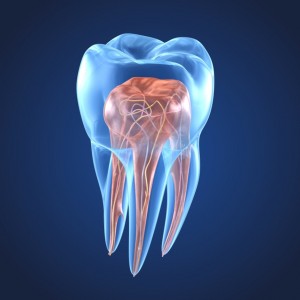
For a daily dental practice, the Panoramic (PANO) X-ray film is one of the most commonly used dental X-rays.
Oral surgery 10 April 2026
A systematic literature search in MEDLINE, Embase, and the Guideline websites, from October 2007 to October 2012, produced articles that were critically evaluated.
News 10 April 2026

New agentic workflow converts post-appointment patient conversations into structured financial notes, follow-up actions, and business insights.
Editorials 30 March 2026
Research shows that the timing of antibiotics matters when treating gum disease

A first-of-its-kind clinical trial shows that administering antibiotics before periodontal treatment may better stabilize beneficial bacteria and support long-term oral health
Read more
Products 20 October 2026
News 20 October 2026

In recognition of National Dental Hygiene Month, Delta Dental highlights key findings from its 2026 State of America’s Oral Health and Wellness Report , a nationwide analysis of co
News 20 October 2026
Abra Health Group has launched The Dental Bank, a new community impact initiative designed to make essential oral health resources more accessible to individuals and families throu
Editorials 20 October 2026
Woman’s skull likely proof of ancient nose amputation, says College of Dentistry professor

Qian Wang, professor in biomedical sciences at Texas A&M College of Dentistry in Dallas, identified what he and other researchers believe is likely one of the first examples of an
Endodontics 20 October 2026

This peer-reviewed endodontics article summarizes clinical evidence from Clinical oral investigations (2026). It focuses on findings that may help dental professionals evaluate treatment decisions,...



Copyright © 2026 - All Rights Reserved
ISSN 2767-1178