


Epulides: factors associated with their recurrence
Lara Figini
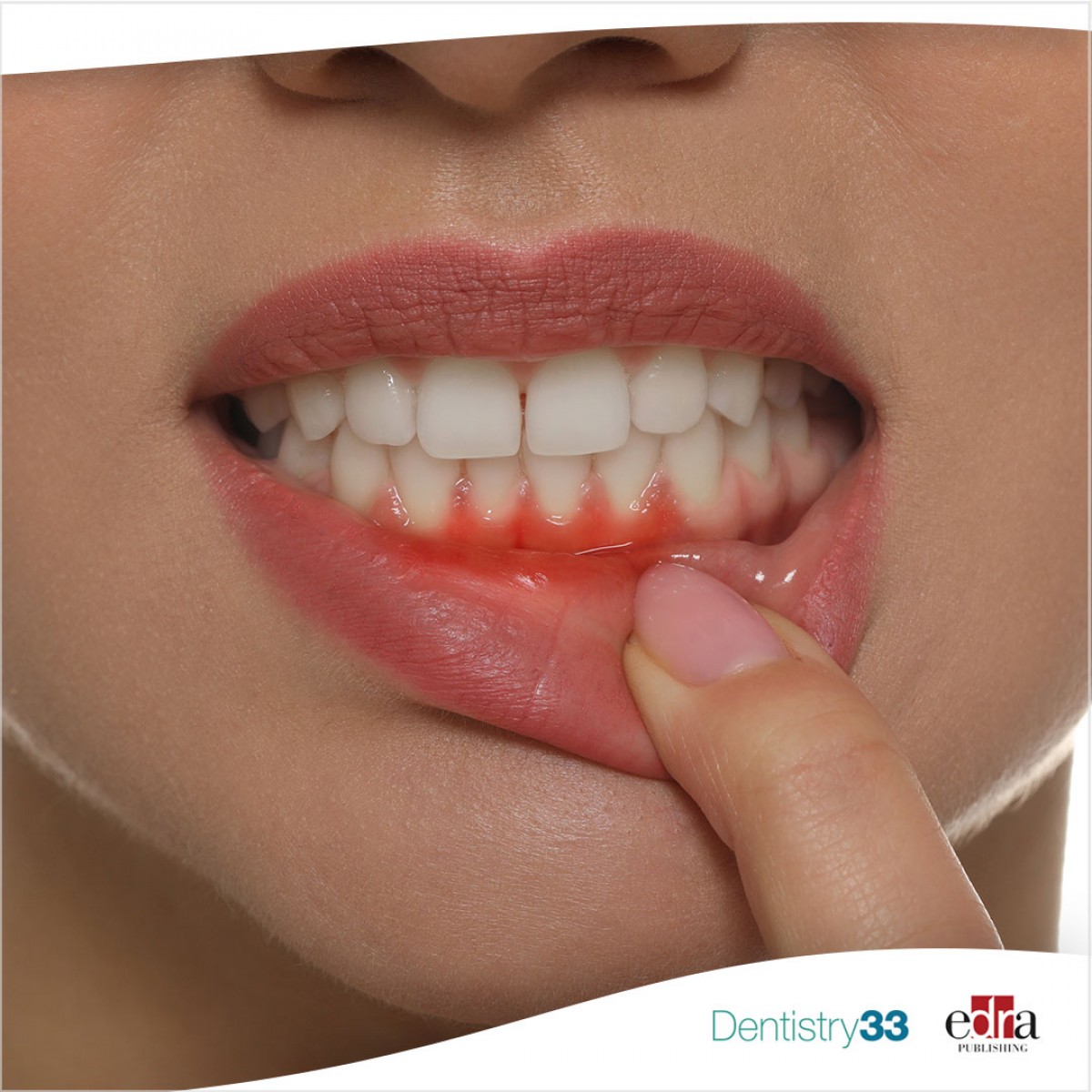
Epulides are characterized by hyperplastic growth of gingival tissues, predominantly at the level of the interdental papilla. These lumps on the gums are typically caused due to poor oral hygiene, microorganisms, poor adherence and poor fit of appliances and restorations.
Epulides have a high recidivism rate ranging up to 20%. Several published studies have shown that the recurrence rate of epulis after surgical removal is still high today.
Surgeons are often faced with a dilemma between a conservative resection of the lesion, to avoid an unsightly residual gingival defect with greater root exposure, or a wide resection of the epulis which can more easily prevent recurrence. Conservative local resection is usually the preferred treatment, which may explain the high recurrence rate.
Fibrous epulis is fibrous hyperplasia of the gingiva and consists of irregularly arranged bundles of collagen fibers and fibroblasts of various proportions. Peripheral Ossifying Fibroma, or POF, usually indicates fibrous epulis, showing areas of calcification or ossification. There are four types of calcifications in POF: dystrophic, immature bone, mature (lamellar) bone and cementum.
Previous literature studies have shown that different types of calcifications can have various effects on recurrence.
Materials, methods
In a retrospective clinical study published in December 2022 in the Journal of the American Dental Association, the authors identified risk factors associated with recurrence of fibrous gingival hyperplasia based on the clinicopathological characteristics.
Researchers identified data from 211 patients with a clinicopathologic diagnosis of fibrotic gingival hyperplasia. PI patients who relapsed after surgical excision of the lesion were considered case reports (n = 30). All patients in the control group had no recurrence (n = 181).
The research team used logistic regression to evaluate associations between distinct characteristics and recurrence. Stratified analyzes by sex were applied to identify the different associations.
Results
Binary logistic regression showed that patients with ulcerated lesions or with local mechanical stimulation had a higher risk of developing recurrence.
Stratified analysis of sex identified a significant association with female sex. Data from this study showed that male patients with larger epulis developed fewer recurrences. There was no significant difference in pathological calcification between the two groups of patients.
Conclusions
From the data of this study, it can be concluded that patients with ulcerated lesions and local mechanical stimulation may have an elevated risk of developing recurrent epulis. Researchers said that clinicians should pay more attention to patients with ulcer and mechanical stimulation. Apart from complete surgical removal, it is important to remove local stimulation to prevent recurrence of these lesions.
For more information, see: "Clinical and pathologic factors associated with the relapse of fibrous gingival hyperplasia."
 Related articles
Endodontics 16 February 2023

Épulis have a high recidivism rate up to 20%. Several published studies have shown that the recurrence rate of the épulis after surgical removal remains high today.
Read more

Jen Kim Field, chief sustainability officer at Henry Schein and president of the Henry Schein Cares Foundation, answers questions for Dentistry Today about the group’s achievements
News 12 October 2026

The education-first program offered learning for the entire dental practice, with practical insights spanning the full patient journey and focused on improving workflows, collabora
News 12 October 2026

AAO and Stand for the Silent Unite Communities This Month to Shine a Light on Bullying Prevention
Editorials 12 October 2026
Expanded coverage: Texas A&M’s Plemons named 2026 Texas Dentist of the Year

Sometimes a small act of generosity can make a tremendous impression, especially on a 7-year-old.
Endodontics 12 October 2026
This peer-reviewed endodontics article summarizes clinical evidence from Journal of dentistry (2026). It focuses on findings that may help dental professionals evaluate treatment decisions, patient...



Copyright © 2026 - All Rights Reserved
ISSN 2767-1178