


Comparative assessment of four treatments for post orthodontic white spot lesions over a 24-month period: a randomized controlled clinical trial.
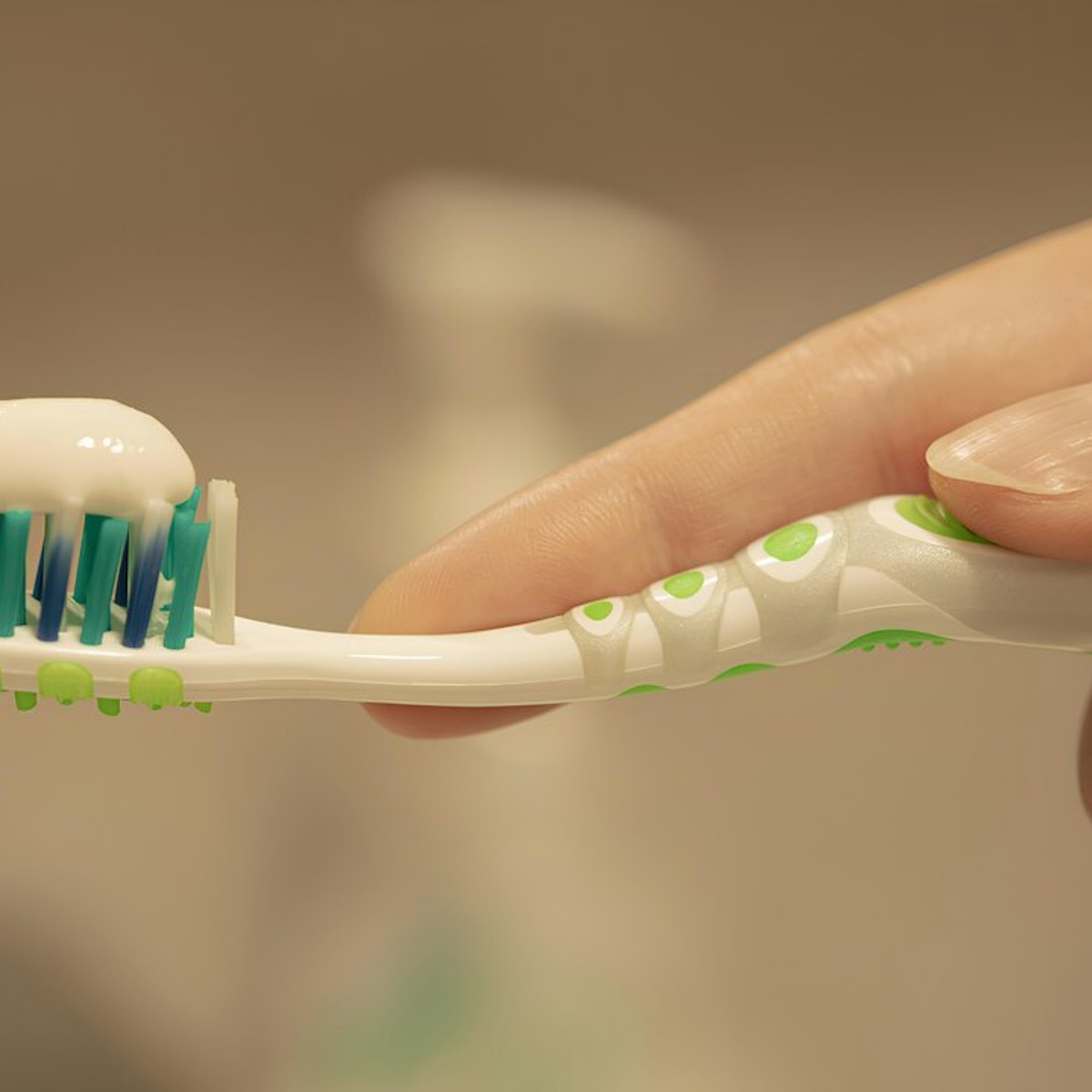
This peer-reviewed oral hygiene & prevention article summarizes clinical evidence from BMC oral health (2026). It focuses on findings that may help dental professionals evaluate treatment decisions, patient outcomes, or clinical protocols.
Abstract
OBJECTIVES: The aim of this study was to evaluate and compare the effects of resin infiltration (RI), casein phosphopeptide-amorphous calcium phosphate (CPP-ACP), fluoride varnish (FV), and fluoride toothpaste on white spot lesions (WSLs) over a 24-month period.
MATERIALS AND METHODS: This study was a 24-month prospective, randomized, double-blind, multicenter clinical trial. Stratified randomization by center was employed, and patients were randomized using allocation sequences, with allocation concealment achieved via sequentially numbered, opaque, sealed envelopes. Seventy-nine participants who had finished orthodontic treatment were randomly assigned to be treated with RI, CPP-ACP, FV or fluoride toothpaste and were recalled every 6 months. The subjects in the RI group who received the RI treatment at baseline and had their teeth coated with fluoride toothpaste every six months starting from the second visit. In addition, all the participants used the provided fluoride toothpaste to brush their teeth twice daily for routine oral hygiene. The DMFT index was recorded at baseline and at each visit. Intraoral images were captured, and the changes in the WSLs area were assessed by ImageJ software.
RESULTS: In this study, we enrolled 20 participants in the FV group, CPP-ACP group, and RI group and 19 participants in the fluoride toothpaste group. Ultimately, 14, 17, 12, and 14 participants in each group completed the final follow-up, respectively. After 24 months, there were no significant differences in the mean DMFT index between the groups. All four treatments effectively reduced the WSLs over time. After 24 months, the rate of change in WSLs area in the RI group (-56.66 ± 20.70, 95%CI: -62.23, -51.09) was significantly lower than those in the FV group (-42.01 ± 18.12, 95%CI: -46.28, -37.75), the CPP-ACP group (-45.27 ± 18.13, 95%CI: -49.83, -40.70) and the fluoride toothpaste group (-35.19 ± 25.79, 95%CI: -40.99, -29.38). Besides, the rate of change in WSLs in the CPP-ACP group was significantly lower than that in the fluoride toothpaste group.
CONCLUSIONS: During the 24-month period, the combined use of RI, FV, CPP-ACP with fluoride toothpaste and fluoride toothpaste alone were effective in treating WSLs. RI management achieved the best and most stable effect in terms of reducing WSLs after 24 months. In addition, after 24 months, CPP-ACP management was better than fluoride toothpaste management alone for reducing WSLs.
REGISTRY: Chinese Clinical Trials Register, TRN: ChiCTR2000032516, Registration date: 1 May 2020.
Key takeaway
Key takeaway: Because the evidence comes from a clinical trial design, the findings may be especially useful when comparing treatment approaches in daily practice.
Introduction from full text
Dental caries is the destruction of tooth tissue in the presence of organic acids produced by cariogenic bacteria located in the dental biofilm [ 1 , 2 ]. Tooth enamel comprises ~90% substituted hydroxyapatite (Ca 10 (PO 4 ) 6 (OH) 2 ), which is subjected to consecutive cycles of dissolution ( demineralisation ) and recrystallisation ( remineralisation ). Oral bacteria ferment carbohydrates to produce organic acids which lower the pH and cause the subsurface dissolution of the hydroxyapatite crystals. Under normal physiological conditions (pH 7), saliva is supersaturated with calcium and phosphate ions which diffuse into the vacancies created during acid-mediated demineralisation episodes [ 1 , 2 ]. Noncavitated white spot lesions (WSLs) are the first indication that the complex dynamic physicochemical processes that maintain healthy enamel have shifted in favour of demineralisation.
It is possible to reverse the early stages of enamel caries, during which the surface remains intact and the net dissolution of calcium and phosphate ions occurs from the body of the lesion [ 1 – 3 ]. A combination of good oral hygiene, dietary control, and fluoride therapy is a widely recommended strategy for the prevention and reversal of early caries. The substitution of smaller spherical fluoride ions for hydroxide ions in hydroxyapatite strengthens the bonds within the lattice and reduces the solubility product [ 1 ]. This means not only that fluorapatite is less soluble than its unfluoridated counterpart, but also that it will recrystallise more readily at lower concentrations of its component ions.
Fluoride formulations include mouthwashes, dentifrices, toothpastes, gels, and varnishes [ 4 , 5 ]. All forms of fluoride-delivery have been shown to be effective in the treatment of WSLs; however, a particular advantage of clinically applied varnishes is that they negate the need for patient compliance [ 4 , 5 ]. One concern regarding fluoride therapy for the treatment of WSLs is the potential hypermineralisation of the surface layer in the presence of high concentrations of fluoride ions which prevents the subsequent penetration of calcium and phosphate ions into the body of the lesion [ 6 ].
In most cases, the concentration and bioavailability of calcium ions are the limiting factors in the remineralisation process and accordingly a number of home-use and clinical products have been developed to enhance the calcium and phosphate concentrations of saliva and plaque [ 1 , 7 – 9 ]. These include dentifrices and topical pastes which contain bioactive calcium-sodium-phosphosilicate glass (e.g., Sensodyne Repair & Protect, GlaxoSmithKline, UK), synthetic hydroxyapatite (e.g., mirasensitive hap+®, Hager Werken, Germany), and casein phosphopeptide-amorphous calcium phosphate, CPP-ACP, (e.g., GC Tooth Mousse, GC, Japan).
CPP-ACP, a milk-derivative, comprises peptide fragments that are rich in phosphorylated seryl and glutamic acid residues that bind to amorphous calcium phosphate nanoparticles [ 11 ]. The peptide residues stabilise the amorphous calcium phosphate phase and inhibit its premature crystallisation in the oral cavity, thus maintaining a supply of bioavailable calcium and phosphate ions for subsurface remineralisation. These CPP-ACP nanoclusters are reported to adhere to enamel, plaque and pellicle, to inhibit bacterial adhesion to the tooth, to form fluoridated CPP-ACFP complexes, and to act as a pH buffer against acid assault [ 9 , 11 , 12 ].
Evidence from in vitro [ 13 – 15 ], in situ [ 16 ], and in vivo [ 12 , 17 – 22 ] studies has indicated that CPP-ACP is an effective remineralising agent for the treatment of “natural,” postorthodontic and artificially induced WSLs; however, its reported efficacy with respect to that of traditional fluoride therapy is contentious [ 17 – 23 ]. A potential synergistic effect of CPP-ACP and fluoride therapy is also disputed [ 13 , 16 , 23 ].
The aim of this clinical study was to evaluate the impact of CPP-ACP and fluoride varnish regimes, applied separately and in combination, on the regression of nonorthodontic WSLs. The appearance of the WSLs was appraised by visual assessment and laser fluorescence at the beginning and at the end of the 12-week trial. The null hypothesis was that the changes in visual score and fluorescence for the three interventional regimes would not differ from those of a positive control group undertaking a standard remineralisation protocol consisting of oral hygiene instruction, fluoride toothpaste, xylitol chewing gum, and chlorhexidine mouthwash.
Peer-reviewed source
Yang Zhou, Qiqiu Wang, Tianqiang Cui, Jianbo Li, E C M Lo, Gaofeng Hao, Fang Huang, Liangyue Pang et al.
BMC oral health. 2026
DOI: 10.1177/154405910808700420
PMID: 42218470
PubMed: https://pubmed.ncbi.nlm.nih.gov/42218470/
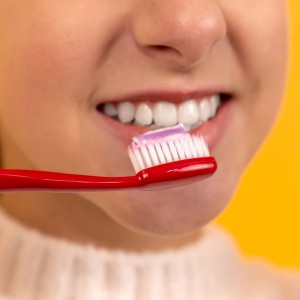
Image: Roman Marchenko (Unsplash)
 Related articles
Oral Hygiene & Prevention 29 October 2026
This peer-reviewed oral hygiene & prevention article summarizes clinical evidence from BMC oral health (2026). It focuses on findings that may help dental professionals evaluate treatment...
Oral Hygiene & Prevention 14 October 2026
Propolis-containing formulations in caries prevention - a systematic review and meta-analysis.
This peer-reviewed oral hygiene & prevention article summarizes clinical evidence from Clinical oral investigations (2026). It focuses on findings that may help dental professionals evaluate...
Oral Hygiene & Prevention 30 September 2026
Propolis-containing formulations in caries prevention - a systematic review and meta-analysis.
This peer-reviewed oral hygiene & prevention article summarizes clinical evidence from Clinical oral investigations (2026). It focuses on findings that may help dental professionals evaluate...
Oral Hygiene & Prevention 23 September 2026
Propolis-containing formulations in caries prevention - a systematic review and meta-analysis.
This peer-reviewed oral hygiene & prevention article summarizes clinical evidence from Clinical oral investigations (2026). It focuses on findings that may help dental professionals evaluate...
Oral Hygiene & Prevention 09 September 2026
Propolis-containing formulations in caries prevention - a systematic review and meta-analysis.
This peer-reviewed oral hygiene & prevention article summarizes clinical evidence from Clinical oral investigations (2026). It focuses on findings that may help dental professionals evaluate...
Read more
Products 30 October 2026
Royal Philips (NYSE: PHG, AEX: PHIA) announced that the Philips Sonicare Next-Generation DiamondClean 9900 Prestige, its most advanced and intelligent toothbrush to date, is now av
News 30 October 2026

Alliance pairs RipeGlobal’s Clinical Performance Platform with Clear Aligner Advisor’s brand-agnostic clear aligner adoption model.
News 30 October 2026

Each year, the University of Colorado Anschutz School of Dental Medicine (SDM) Excellence Awards recognize individuals whose dedication, leadership and innovation strengthen our mi
Products 29 October 2026
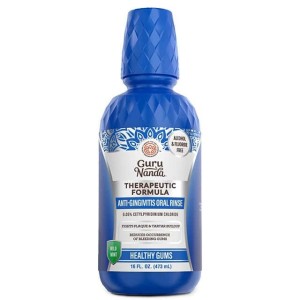
GuruNanda’s recently introduced Therapeutic Anti-Gingivitis Oral Rinse is formulated with cetylpyridinium chloride (CPC), a well-established ingredient used in oral care for plaque


Copyright © 2026 - All Rights Reserved
ISSN 2767-1178