


App-supported powered toothbrushing during non-surgical periodontal therapy in stage III-IV periodontitis: a secondary analysis of a randomized controlled trial.
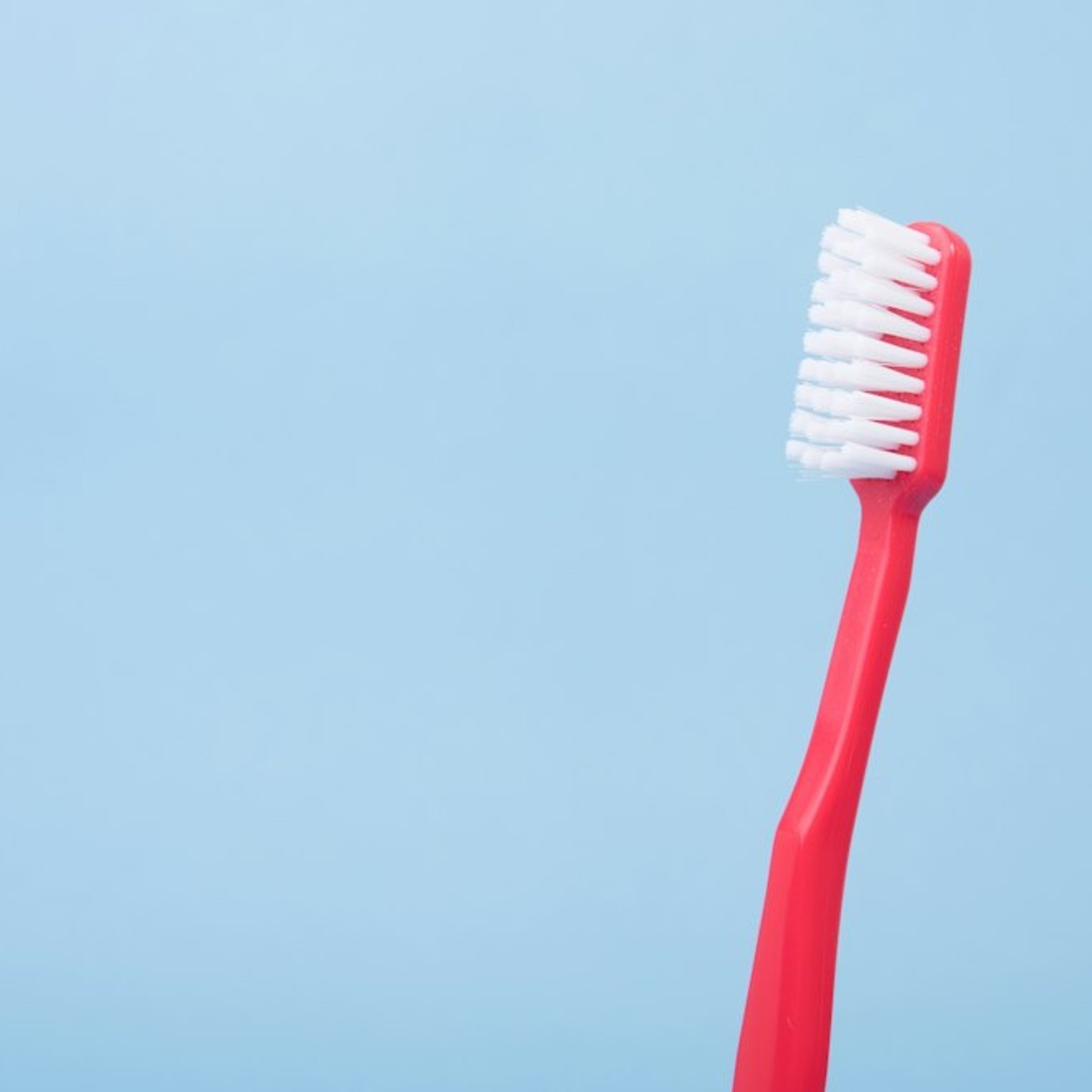
This peer-reviewed oral hygiene & prevention article summarizes clinical evidence from BMC oral health (2026). It focuses on findings that may help dental professionals evaluate treatment decisions, patient outcomes, or clinical protocols.
Abstract
BACKGROUND: Adequate plaque control is essential for successful non-surgical periodontal therapy (NSPT). App-supported powered toothbrushes (PT) may improve oral hygiene behaviour, but evidence of additional clinical benefit during NSPT in advanced periodontitis is limited. This secondary analysis of a prospectively registered four-arm randomized controlled trial compared an app-supported PT with an identical PT without app support.
METHODS: Forty-four patients with generalized stage III-IV periodontitis were randomly assigned within the powered-toothbrush stratum to an app-supported PT (TPB, n = 23) or an identical PT without app support (CPB, n = 21) and analysed by intention-to-treat; missing data due to dropout (TPB/CPB: n = 4/n = 3) were handled using last observation carried forward. All patients received standardized NSPT. Clinical parameters were assessed at baseline (T1) and after 5-6 months (T6). ΔGBI was the registered primary outcome of the four-arm trial; ΔPPD (T6-T1), a prespecified secondary clinical outcome, was the principal outcome of this two-arm analysis. Questionnaire-based oral hygiene motivation was assessed at T1 and T6.
RESULTS: For the registered primary outcome, ΔGBI did not differ significantly between groups (CPB: -7.12 ± 18.73%; TPB: -9.28 ± 16.91%; p = 0.573). Both groups showed significant reductions in mean PPD (CPB: -0.59 ± 0.57 mm; TPB: -0.67 ± 0.66 mm; both p < 0.001), with no significant between-group difference in ΔPPD (mean difference: -0.08 mm, 95% CI - 0.45 to 0.29; p = 0.832). CAL improved significantly in CPB only, whereas GR increased more in TPB (p = 0.011). No significant between-group differences were observed for CAL, PCR, GBI, or PPD distribution. During the post-treatment phase, both groups showed further improvements without intergroup differences. Questionnaire outcomes revealed no significant between-group differences after correction for multiple testing, although motivation for interdental cleaning improved significantly within TPB (p = 0.002).
CONCLUSIONS: App support did not provide additional clinical benefit over powered toothbrushing without app support during NSPT. Descriptive, non-significant trends toward more favourable post-treatment changes suggest a potential role in behavioural support and maintenance, potentially requiring integration of professional guidance.
TRIAL REGISTRATION: The fourarm randomized controlled trial was prospectively registered in the German Clinical Trials Register (DRKS00031539) on May 4, 2023. The present study reports a secondary analysis of its two poweredtoothbrush arms.
Key takeaway
Key takeaway: Because the evidence comes from a clinical trial design, the findings may be especially useful when comparing treatment approaches in daily practice.
Introduction from full text
Periodontal health plays a key role as a shared reference point for evaluating periodontal diseases and identifying significant treatment outcomes. Providing adequate instruction and enhancing the motivation of patients to maintain proper oral hygiene are crucial factors for successful periodontal treatment, with self-performed regular oral hygiene identified as a critical factor in improving the outcomes of treatment for periodontal diseases. Recently, mobile health (mHealth) solutions, especially mobile apps, have emerged as valuable tools for self-management in chronic diseases such as periodontal disease, providing essential health education and monitoring capabilities. However, the use of mHealth apps for periodontal health is complex owing to various interacting components such as patient behavior, socioeconomic status, and adherence to oral hygiene practices. Existing literature has indicated positive effects of mHealth on oral health behaviors, knowledge, attitude, practice, plaque index score, and gingivitis reduction. However, there has been no systematic review of mobile apps specifically targeting patients with periodontal disease. Understanding the design and impact of mHealth apps is crucial for creating high-quality apps.
Peer-reviewed source
Ann-Christin Feige, Miriam Cyris, Simone Sutor, Maximiliane Amelie Schlenz, Christof E Dörfer, Sonja Sälzer, Christian Graetz
BMC oral health. 2026
DOI: 10.2196/50479
PMID: 42806325
PubMed: https://pubmed.ncbi.nlm.nih.gov/42806325/
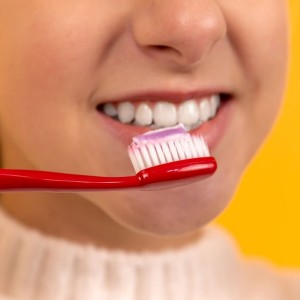
Image: Alex Padurariu (Unsplash)
 Related articles
Oral Hygiene & Prevention 14 October 2026
Propolis-containing formulations in caries prevention - a systematic review and meta-analysis.
This peer-reviewed oral hygiene & prevention article summarizes clinical evidence from Clinical oral investigations (2026). It focuses on findings that may help dental professionals evaluate...
Oral Hygiene & Prevention 30 September 2026
Propolis-containing formulations in caries prevention - a systematic review and meta-analysis.
This peer-reviewed oral hygiene & prevention article summarizes clinical evidence from Clinical oral investigations (2026). It focuses on findings that may help dental professionals evaluate...
Oral Hygiene & Prevention 23 September 2026
Propolis-containing formulations in caries prevention - a systematic review and meta-analysis.
This peer-reviewed oral hygiene & prevention article summarizes clinical evidence from Clinical oral investigations (2026). It focuses on findings that may help dental professionals evaluate...
Oral Hygiene & Prevention 09 September 2026
Propolis-containing formulations in caries prevention - a systematic review and meta-analysis.
This peer-reviewed oral hygiene & prevention article summarizes clinical evidence from Clinical oral investigations (2026). It focuses on findings that may help dental professionals evaluate...
Oral Hygiene & Prevention 26 August 2026
Propolis-containing formulations in caries prevention - a systematic review and meta-analysis.
This peer-reviewed oral hygiene & prevention article summarizes clinical evidence from Clinical oral investigations (2026). It focuses on findings that may help dental professionals evaluate...
Read more
Products 29 October 2026

GuruNanda’s recently introduced Therapeutic Anti-Gingivitis Oral Rinse is formulated with cetylpyridinium chloride (CPC), a well-established ingredient used in oral care for plaque
News 29 October 2026

Virtual Cleft Con will connect people affected by cleft and their families with advocates, experts, and community members around the world.
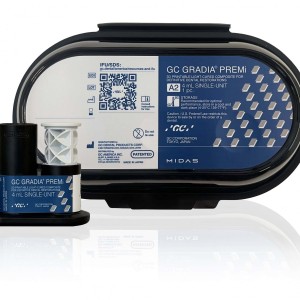
New GC hybrid ceramic restorative resin, custom-engineered for SprintRay’s Midas Digital Press stereolithography printer, joins SprintRay Midas Restore™ on the only platform where
Editorials 29 October 2026
Scholarship at the CU Anschutz School of Dental Medicine reflects the collective contributions of our faculty, staff, residents and students.
Products 28 October 2026
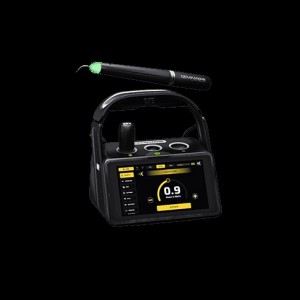
Ultradent Products, Inc.’s latest dental laser is a cordless, dual-wavelength model that allows clinicians to provide soft-tissue procedures while moving freely in the operatory.


Copyright © 2026 - All Rights Reserved
ISSN 2767-1178