


Efficacy of four motivational techniques for improving oral hygiene – Two-year follow-up of a randomized controlled trial
Authors: Monica Giani, Umberto Pagliaro, Lorenzo Franchi, Roberto Rotundo, Michele Nieri
Purpose. The aim of this randomized clinical trial with blinded examiner was to compare the efficacy of four different methods of enhancing oral hygiene motivation in: (i) reducing the full-mouth plaque score (FMPS) and full-mouth bleeding score (FMBS); (ii) modifying patient behaviour; (iii) the amount of intervention time required; and (iv) the degree of patient satisfaction at two-year follow-up.
Materials and methods. In a private practice, 100 subjects aged 18-75 years with at least 20 teeth/implants and an FMPS ≥40% were consecutively recruited. From baseline to two-year follow-up, subjects were randomly allocated to four different oral hygiene motivational techniques: standard oral hygiene instructions (SOHI), reading a pamphlet (P), watching a video (V), or Brief Motivational Interview (BMI).
The outcome variables considered were: reduction in FMPS, reduction in FMBS, frequency of daily tooth brushing, frequency of daily flossing, motivational intervention time, degree of patient satisfaction, patient perception of oral health (by means of a questionnaire), and number of teeth lost in association with each method. A single operator delivered all motivational sessions and professional oral hygiene at baseline, and 1, 3, 6, 12, 18, and 24 months. Another operator, blinded to the methods used, recorded the variables at baseline, and at 6, 12, 18, and 24 months.
Results. At 24-month follow-up, there were no significant differences between the four tested methods in either FMPS (-20.9 for SOHI, -23.1 for P, -25.1 for V, and -27.1 for BMI; P = 0.4407), FMBS (-1.9 for SOHI, -3.1 for P, -0.7 for V, and -4.0 for BMI; P = 0.3110), degree of patient satisfaction (P = 0.3559), improvement in perception of oral health (P = 0.8069), frequency of daily flossing (P = 0.2118), or number of teeth lost (P = 0.2108). Although the total time required for motivation was significantly greater for the BMI as compared to all other techniques (P <0.0001), the frequency of daily tooth brushing significantly increased after BMI as compared to SOHI and V (the difference between BMI and SOHI was 0.6; 95%CI from 0.2 to 1.0, and the difference between BMI and V was 0.5 95%CI from 0.0 to 0.9; P = 0.0022).
Conclusion. All tested methods improved FMPS and FMBS and were appreciated by all subjects. The change in patient behaviour was more pronounced in the BMI group, but the intervention time required was greater than for the other techniques; nevertheless, it was compatible with a professional oral hygiene session of one-hour duration.
 Related articles
Oral Hygiene & Prevention 14 October 2026
Propolis-containing formulations in caries prevention - a systematic review and meta-analysis.
This peer-reviewed oral hygiene & prevention article summarizes clinical evidence from Clinical oral investigations (2026). It focuses on findings that may help dental professionals evaluate...
Oral Hygiene & Prevention 30 September 2026
Propolis-containing formulations in caries prevention - a systematic review and meta-analysis.
This peer-reviewed oral hygiene & prevention article summarizes clinical evidence from Clinical oral investigations (2026). It focuses on findings that may help dental professionals evaluate...
Oral Hygiene & Prevention 23 September 2026
Propolis-containing formulations in caries prevention - a systematic review and meta-analysis.
This peer-reviewed oral hygiene & prevention article summarizes clinical evidence from Clinical oral investigations (2026). It focuses on findings that may help dental professionals evaluate...
Oral Hygiene & Prevention 09 September 2026
Propolis-containing formulations in caries prevention - a systematic review and meta-analysis.
This peer-reviewed oral hygiene & prevention article summarizes clinical evidence from Clinical oral investigations (2026). It focuses on findings that may help dental professionals evaluate...
Oral Hygiene & Prevention 26 August 2026
Propolis-containing formulations in caries prevention - a systematic review and meta-analysis.
This peer-reviewed oral hygiene & prevention article summarizes clinical evidence from Clinical oral investigations (2026). It focuses on findings that may help dental professionals evaluate...
Read more
Products 21 October 2026
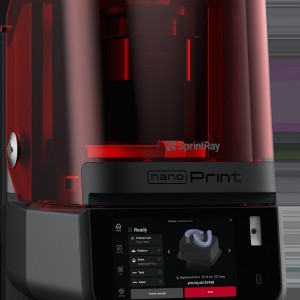
Foundation and ScanOS bring scanning into the SprintRay workflow; Nano Series introduces compact chairside printing, washing, and curing; GC partnership expands validated restorati
News 21 October 2026

(Nasdaq: HSIC) announced today that Emmanuel Caprais, former Senior Vice President and Chief Financial Officer of ITT, Inc.
News 21 October 2026
Editorials 21 October 2026
From California to Canada: CU Anschutz School of Dental Medicine at ADEA, GRC and IADR 2026
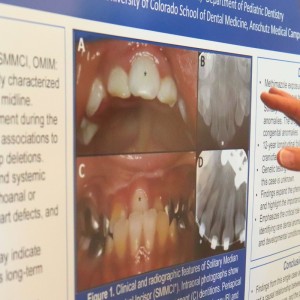
The CU Anschutz School of Dental Medicine will showcase a wide breadth of educational innovation, faculty development, clinical training and research at three major gatherings this
Endodontics 21 October 2026
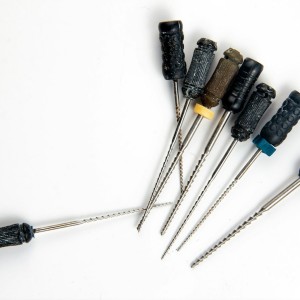
This peer-reviewed endodontics article summarizes clinical evidence from BMC oral health (2026). It focuses on findings that may help dental professionals evaluate treatment decisions, patient...


Copyright © 2026 - All Rights Reserved
ISSN 2767-1178