


Relationship between dental experiences, oral hygiene education and self-reported oral hygiene behaviour

Many preventive approaches in dentistry aim to improve oral health through behavioural instruction or intervention concerning oral health behaviour.
However, it is still unknown which factors have the highest impact on oral health behaviours, such as toothbrushing or regular dental check-ups. Various external and internal individual factors such as education, experience with dentists or influence by parents could be relevant. Therefore, the present observational study investigated the influence of these factors on self-reported oral heath behaviour. One hundred and seventy participants completed standardized questionnaires about dental anxiety (Dental Anxiety Scale (DAS), and dental self-efficacy perceptions (dSEP)).
They also answered newly composed questionnaires on oral hygiene behaviours and attitudes, current and childhood dental experiences as well as parental oral hygiene education and care. Four independent factors, namely attitude towards oral hygiene, attitude towards one’s teeth, sense of care and self-inspection of one’s teeth were extracted from these questionnaires by rotating factor analysis. The results of the questionnaires were correlated by means of linear regressions. Dental anxiety was related to current negative emotions when visiting a dentist and negative dental-related experiences during childhood.
High DAS scores, infantile and current negative experiences showed significant negative correlations with the attitude towards oral hygiene and one’s teeth. Dental anxiety and current negative dental experiences reduced participants’ dental self-efficacy perceptions as well as the self-inspection of one’s teeth. While parental care positively influenced the attitude towards one’s teeth, dental self-efficacy perceptions significantly correlated with attitude towards oral hygiene, self-inspection of one’s teeth and parental care.
Dental anxiety, dental experiences, parents’ care for their children’s oral hygiene and dental self-efficacy perceptions influence the attitude towards oral hygiene and one’s own oral cavity as well as the autonomous control of one’s own dental health. Therefore, oral hygiene instruction and the development of patient-centred preventive approaches should consider these factors.
Authors: Maxi Mueller ,Sarah Schorle,Kirstin Vach,Armin Hartmann,Almut Zeeck,Nadine Schlueter
Source: https://journals.plos.org/
 Related articles

As interest rates shift in our economy, the related factors cause issues with variable products being offered that have a lot to do with interest rates.
Orthodontics 28 October 2025
The relationship between odontogenic bacteraemia and orthodontic treatment procedures
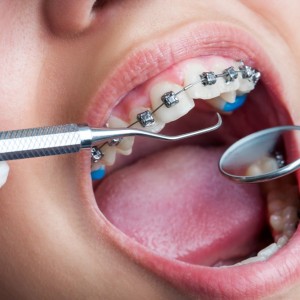
The purpose of this research was to estimate the prevalence and intensity of bacteraemia associated with orthodontic treatment procedures.

The classic dental diseases, caries and periodontal disease, are commonly thought to have little effect on systemic health.

Nakanishi Dental Laboratory has been a purveyor of state-of-the-art dental technology and manufacturing for close to three-quarters of a century.
News 18 November 2024
Patterson Dental Extends Strategic Relationship With PDS Health

Patterson Dental Supply, Inc., a subsidiary of Patterson Companies, Inc. (Nasdaq: PDCO), today announced an agreement in principle between Patterson and PDS Health, a leading dental and medical...
Read more

Five TeraHarz materials pass final review under the EU’s strengthened Medical Device Regulation.
News 25 November 2026
Align Technology to Present at Jefferies Healthcare Conference

(“Align”) (Nasdaq: ALGN), a leading global medical device company that designs, manufactures, and sells the Invisalign® System of clear aligners, iTero™ intraoral scanners, and exo
VerifySync review controls and connection alerts help Open Dental teams prepare for January insurance benefit resets.
Editorials 25 November 2026
From Sacramento to San Francisco, the UCSF School of Dentistry’s Doctor of Dental Surgery Advocacy, Science, Public Interest, and Research (DDS-ASPIRE) program has begun its inaugu
Periodontology 25 November 2026
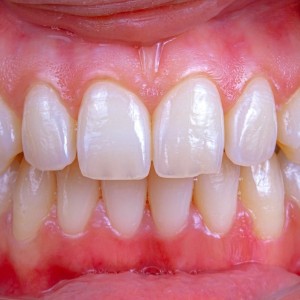
This peer-reviewed periodontology article summarizes clinical evidence from BMC oral health (2026). It focuses on findings that may help dental professionals evaluate treatment decisions, patient...


Copyright © 2026 - All Rights Reserved
ISSN 2767-1178