


Researchers Explore Immune Checkpoint Therapy to Treat Aggressive Form of Oral Cancer
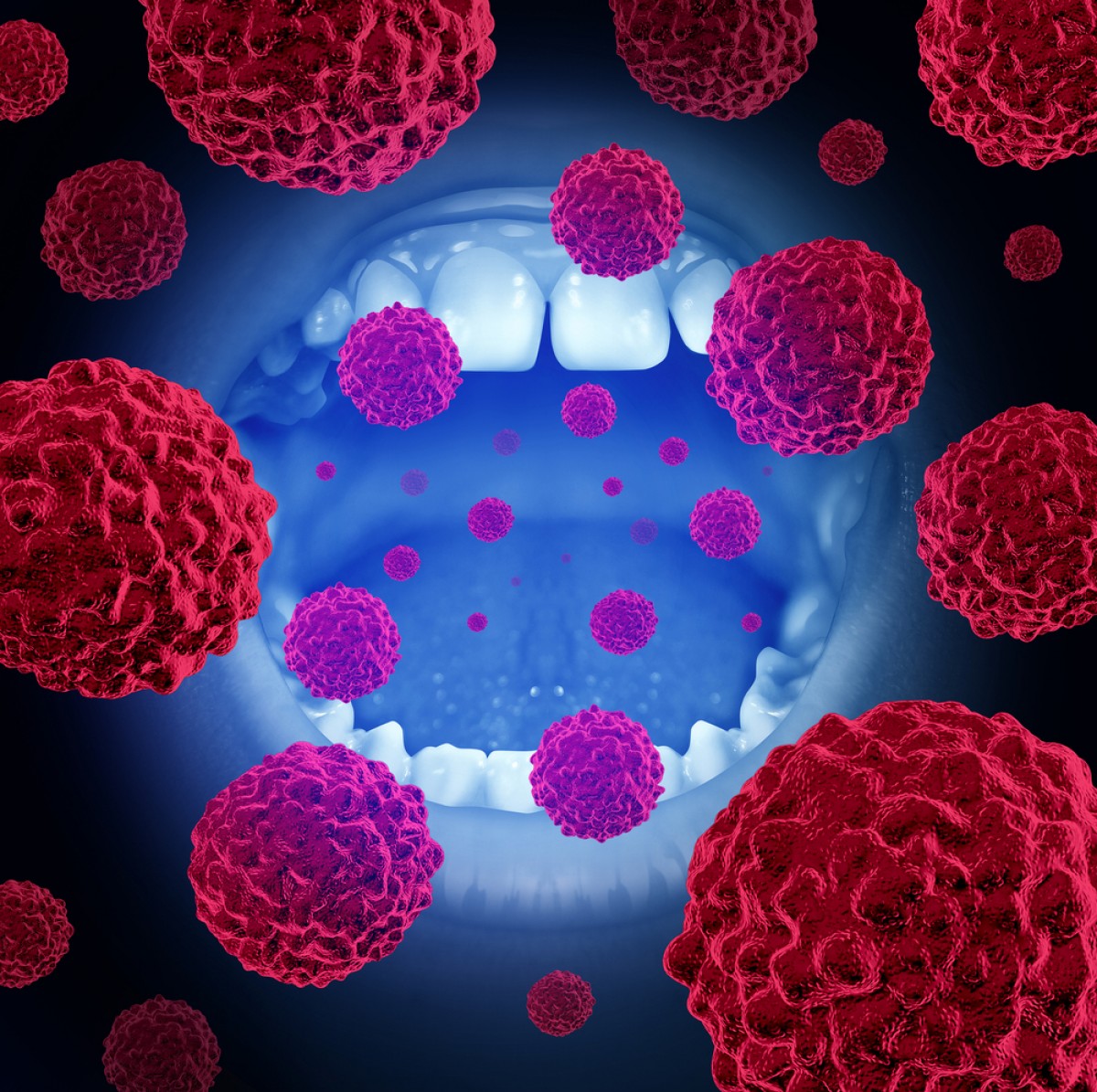
In one of the first clinical trials to explore treatment of an aggressive form of oral cancer with immune checkpoint therapy (ICT), researchers from the Harvard School of Dental Medicine (HSDM), Dana-Farber Cancer Institute, and other collaborators found promising results for treating a high-risk oral precancerous disease with ICT.
Their study, Nivolumab for Patients With High-Risk Oral Leukoplakia published in JAMA Oncology, followed the treatment of 33 patients with high-risk oral proliferative verrucous leukoplakia (PVL), an uncommon but aggressive oral precancerous disease characterized by its tendency to progress to invasive oral squamous cell carcinoma in at least 60% of patients.
PVL first appears as white patches usually on the gums but may occur anywhere in the mouth, spreading over time. The condition is particularly difficult to control because by the time it is finally diagnosed, the patches are very large and have often spread to multiple areas of the mouth. To date, there have been no therapies shown to affect the progression of the disease.
“This is the first study of its kind that treated this condition which is highly associated with cancer development, using systemic immunotherapy rather than surgery or laser,” said Dr. Sook Bin Woo co-author of the article and associate professor of Oral Medicine, Infection, and Immunity at HSDM and program director of Oral and Maxillofacial Pathology based at Brigham and Women’s Hospital.
After treating leukoplakia lesions with Nivolumab, a targeted therapy drug that acts as an immune checkpoint inhibitor, findings showed a positive clinical response. Twelve patients (36%) demonstrated the best overall response in the change in their clinical-pathologic composite score, with 3 (9%) demonstrating a greater than 80% reduction in composite score. Two patients had complete resolution of at least one target lesion.
Although few patients had complete lesion regression, this encouraging trial lays the groundwork for greater study by demonstrating potential clinical activity and acceptable safety with the use of ICT in a population with high-risk precancer.
“The data generated from this study regarding the mutations associated with PVL, as well as the types of immune cells within the lesion that affected treatment response, set the stage for further innovation regarding treatment of this and other precancerous lesions in the mouth,” Woo said.
As cohort Principal Investigator for the InAdvance study 22-200, Woo is leading a biobanking effort launched to evaluate state-of-the-art early detection and precision prevention strategies for people at higher risk of developing cancer and to foster collaboration between researchers. She is building a cohort of oral leukoplakia patients, collecting patient-reported data, medical record data, family history, and biospecimen samples. The InAdvance Study is part of the Centers for Early Detection and Interception of Cancer (CEDI) within the Dana Farber Cancer Institute and will be a unique resource to better understand oral precancerous lesions, progression, and treatment.
Source: https://hsdm.harvard.edu/
 Related articles
Editorials 06 March 2026
HSDM researchers join national effort to improve care for temporomandibular disorders

Multidisciplinary research initiative aims to transform how temporomandibular disorders are understood, diagnosed, and treated
Editorials 04 November 2025
NIH grant helps ASOD researchers study TMD pain in adolescents

Adams School of Dentistry’s Caroline Sawicki, DDS, PhD, recently received an NIH-NIDCR R03 grant to study personalized treatment for temporomandibular disorder (TMD) pain in adolescents.
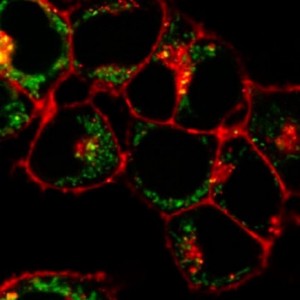
Silencing a receptor in prostaglandins reduces pain but allows inflammation to run its course in animal and cellular studies.
Market 15 September 2025

Drs. Anderson Hara, professor and director, Oral Health Research Institute (OHRI), and Grace Gomez Felix Gomez, assistant professor, dental public health and dental informatics, secured monumental...
Editorials 23 December 2024

Researchers at NYU College of Dentistry and NYU Grossman School of Medicine are closer to understanding what drives the autoimmune disorder Sjögren’s disease, thanks to new discoveries about the...
Read more
Products 15 October 2026
The belief in the healing power of light goes all the way back to ancient Egypt and the worship of Rah, the sun god.
Nearly half the world’s population is affected by oral disease—and the number of cases is rising.
News 15 October 2026

New office at 3170 R Street adds walk-in availability and same-day care options in a region where dental providers are in short supply
Each year, the University of Colorado Anschutz School of Dental Medicine (SDM) Excellence Awards recognize individuals whose dedication, leadership and innovation strengthen our mi
Oral surgery 15 October 2026
This peer-reviewed oral surgery article summarizes clinical evidence from International journal of oral and maxillofacial surgery (2026). It focuses on findings that may help dental professionals...



Copyright © 2026 - All Rights Reserved
ISSN 2767-1178