


The digital approach in prosthetic treatments to reduce the risk of contagion from Covid-19
Lara Figini

Prosthetic treatments require dental impressions which during the Covid-19 pandemic are considered to have a high risk of contagion (both for dental operators and for reference dental technicians), if they were conducted in a traditional way, bringing problems of disinfection, management and transport of these contaminated fingerprints.
From this point of view, the creation of digital prints can represent a great help in reducing the risk of contagion.
Materials and methods
In an Italian scientific article, professors Papi, Di Murro, Penna, Pompa from the Department of Odontostomatological and Maxillofacial Sciences of the La Sapienza University of Rome, published in Oral Disease of May 2020, illustrated the way in which they have created and single crowns or bridges in 12 patients - male (5) or female (7) - with a mean age of 62.66 ± 12.58 years, during the "phase 1" of the pandemic (10 March-4 May), reducing the possibility of contagion from Covid-19 to a minimum. Only patients with broken teeth / implants that supported temporary crowns / bridges or rehabilitations in the aesthetic sector were admitted to prosthetic treatment and received definitive restorations. Only digital impressions were taken with an intraoral scanner.
Results
From the analysis of these cases, treated in a completely digital way and compared to the cases treated in the conventional way, a significant reduction in the working hours to complete the prosthetic work was highlighted (70 ± 18.97 minutes vs 110 ± 10.9 minutes in the cases treated in the traditional way) and also a reduction in the number of appointments required (2.33 ± 0.51 vs 2.83 ± 0.75 appointments, respectively).
Conclusions
The authors of this publication point out that with a fully digital prosthetic approach the risk of infection is limited to direct contact in the dental office with the patient, but contamination can be prevented with the use of PPE, disinfection of surfaces and sterilization of the tips of the scanner. The risk of contagion from Covid-19 is minimized by a digital workflow, as the latter reduces the steps, work time and appointments required compared to the analog workflow. The risk of infections in general, and in particular from Covid-19, is lowered with digital techniques as there are no fingerprints in the material to be scrupulously disinfected, with adequate disinfectants, and to be transported to the dental laboratory with the primary purpose of protecting the dental technician from contagion.
Clinical implications
Based on the authors' opinion, when possible, in prosthetic treatments, during the Covid-19 pandemic, the completely digital approach is recommended, which should be implemented, to limit the risk of infection and contagion also towards the laboratory. dental technician.
For additional information: Digital prosthetic workflow during Covid-19 pandemic to limit infection risk in dental practice.
 Read more
Products 21 October 2026
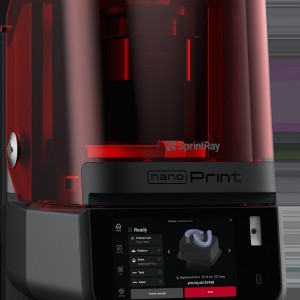
Foundation and ScanOS bring scanning into the SprintRay workflow; Nano Series introduces compact chairside printing, washing, and curing; GC partnership expands validated restorati
News 21 October 2026

(Nasdaq: HSIC) announced today that Emmanuel Caprais, former Senior Vice President and Chief Financial Officer of ITT, Inc.
News 21 October 2026
Editorials 21 October 2026
From California to Canada: CU Anschutz School of Dental Medicine at ADEA, GRC and IADR 2026
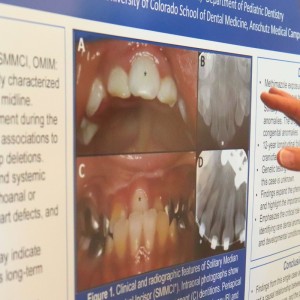
The CU Anschutz School of Dental Medicine will showcase a wide breadth of educational innovation, faculty development, clinical training and research at three major gatherings this
Endodontics 21 October 2026
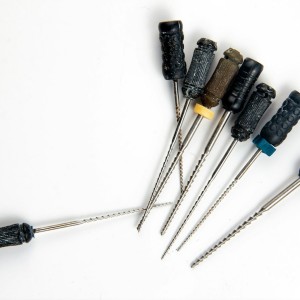
This peer-reviewed endodontics article summarizes clinical evidence from BMC oral health (2026). It focuses on findings that may help dental professionals evaluate treatment decisions, patient...


Copyright © 2026 - All Rights Reserved
ISSN 2767-1178