


Root caries: effect of fluoride toothpastes and bioactive F-glass
Lara Figini
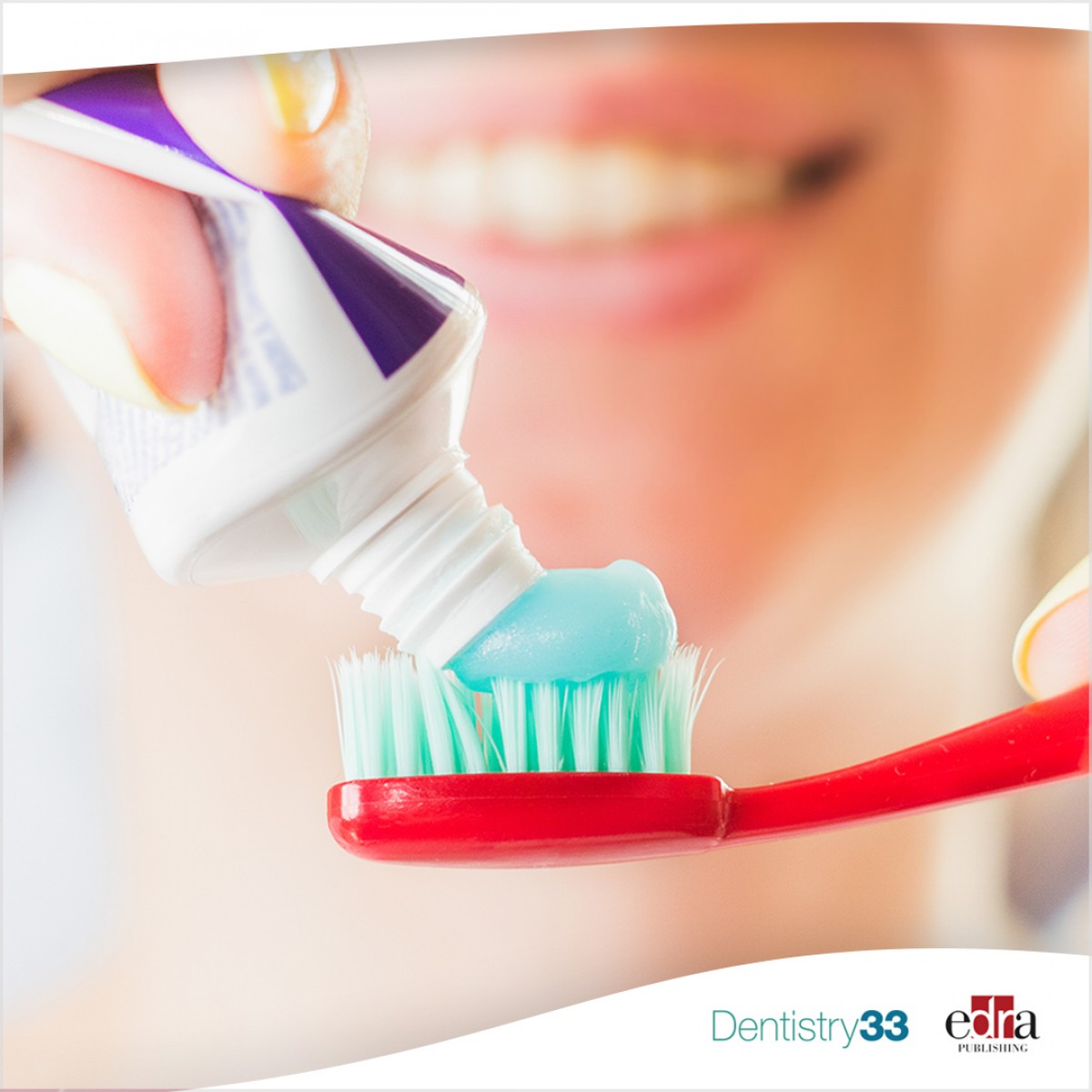
Root caries is one of the main causes of tooth loss in the aging population. Toothpastes containing fluoride are considered inexpensive anti-caries agents due to their remineralization effect which is attributed to fluoride-enhanced precipitation of calcium phosphate in the form of fluorapatite. Therefore, more than 95% of the population in developed countries use fluoride toothpastes.
High fluoride toothpaste (5000ppm-F) has been reported to block 51% of primary root caries compared to toothpaste containing 1100ppm-F. However, the bioavailability of fluoride after tooth brushing is limited to a short time as the level of fluoride in saliva decreases rapidly due to salivary flow. Calcium fluoride phospho-silicate glass (bioactive F-glass) is a new bioactive component containing low concentration fluoride and has been incorporated into toothpastes to increase the bioavailability of fluoride in the oral cavity for up to 12 hours.
Bioactive F-glasses are amorphous silicate glasses, which degrade in aqueous solutions and are a source of calcium, phosphate and fluoride ions.
Materials and methods
In an in vitro study, published in June 2023 in the Journal of Dentistry, the authors analyzed the effect of different toothpastes containing 5000 ppm fluoride (F), 1450 ppm F or bioactive glass (BG) with 540 ppm-F on carious lesions artificial roots (ARCL).
The crowns of 23 extracted healthy teeth were removed leaving only their roots. Subsequently, each root was divided into four parts. ARCLs were obtained using a demineralizing solution (pH-4.8).
The 15-ARCL samples were left untreated, and the rest of the samples were divided into four groups:
- Group 1, treated with BG with 540 ppm-F
- Group 2, treated with 5000 ppm-F
- Group 3, treated with 1450 ppm-F, and
- Group 4, treated with deionized water.
Samples were demineralized for 6 hours, and then the samples were placed in the remineralization solution (pH-7) for 16 hours. Each sample was brushed with their assigned toothpaste twice daily over the 13-day study cycle.
The fluoride concentration at each time point was measured using F-ISE, while the release of calcium (Ca2+) and phosphorus (P) ions was determined using ICP-OES, KHN, XRD, 19F-MAS-NMR analysis.
Results
KHN showed significant surface changes for each group (p < 0.001). Ca2+ uptake occurred on days 1-2, phosphorus ion loss was high relative to uptake in all groups.
XRD showed the presence of sharp diffraction lines highlighting the formation of apatite for Groups 1-3. 19F-MAS NMR confirmed the presence of fluorapatite in Groups 1-3.
Conclusions
From the data of this study, it can be concluded that all dentifrices are promising in the formation of fluorapatite. BG with 540 ppm-F toothpaste releases more ions (Ca2+ and P) and remineralizes the carious lesions of the artificial roots more than other Groups.
However, the 1450 ppm-F dentifrice showed more fluorinated apatite formation while the 5000 ppm-F dentifrice showed more fluorapatite formation.
Haoran Chen, Robert Hill, Aylin Baysan, "The effect of different concentrations of fluoride in toothpastes with or without bioactive glass on artificial root caries," Journal of Dentistry, Volume 133, 2023, 104499, ISSN 0300-5712, https://doi.org/10.1016/j.jdent.2023.104499.
 Related articles
CaviSense Inc., a Harvard/Tufts spin-out and developer of a radiation-free diagnostic technology for active tooth demineralization.

The use of three-dimensional (3D) intraoral scanners for oral health monitoring, particularly for the detection and subsequent observation of carious lesions, is receiving increasing attention from...
Oral Hygiene & Prevention 08 April 2022
Effects of soy and bovine milk beverages on enamel mineral content
.png)
Soy-based beverages are increasingly being promoted as healthy alternatives to cow's milk, but literature data highlight their different anticariogenic and tampon-based properties compared to bovine...
Orthodontics 05 February 2021
Risk communication involves giving patients information about potential risks they may encounter as a result of a disease, a clinical procedure, or a particular behavior. An orthodontist may be...
Orthodontics 17 June 2020
Enamel demineralization during orthodontic treatment: clear aligners vs fixed appliance therapy.
In the latest issue (May 2020) of the American Journal of Orthodontics and Dentofacial Orthopedics a randomized clinical trial was published evaluating the...
Read more

Jen Kim Field, chief sustainability officer at Henry Schein and president of the Henry Schein Cares Foundation, answers questions for Dentistry Today about the group’s achievements
News 12 October 2026
The education-first program offered learning for the entire dental practice, with practical insights spanning the full patient journey and focused on improving workflows, collabora
News 12 October 2026
AAO and Stand for the Silent Unite Communities This Month to Shine a Light on Bullying Prevention
Editorials 12 October 2026
Expanded coverage: Texas A&M’s Plemons named 2026 Texas Dentist of the Year

Sometimes a small act of generosity can make a tremendous impression, especially on a 7-year-old.
Endodontics 12 October 2026
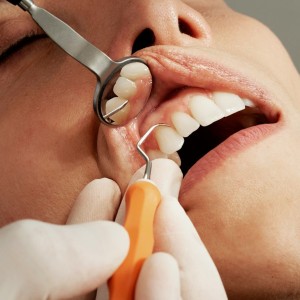
This peer-reviewed endodontics article summarizes clinical evidence from Journal of dentistry (2026). It focuses on findings that may help dental professionals evaluate treatment decisions, patient...



Copyright © 2026 - All Rights Reserved
ISSN 2767-1178