


Oral cancer screening knowledge, practices at the University of Toronto
Introduction
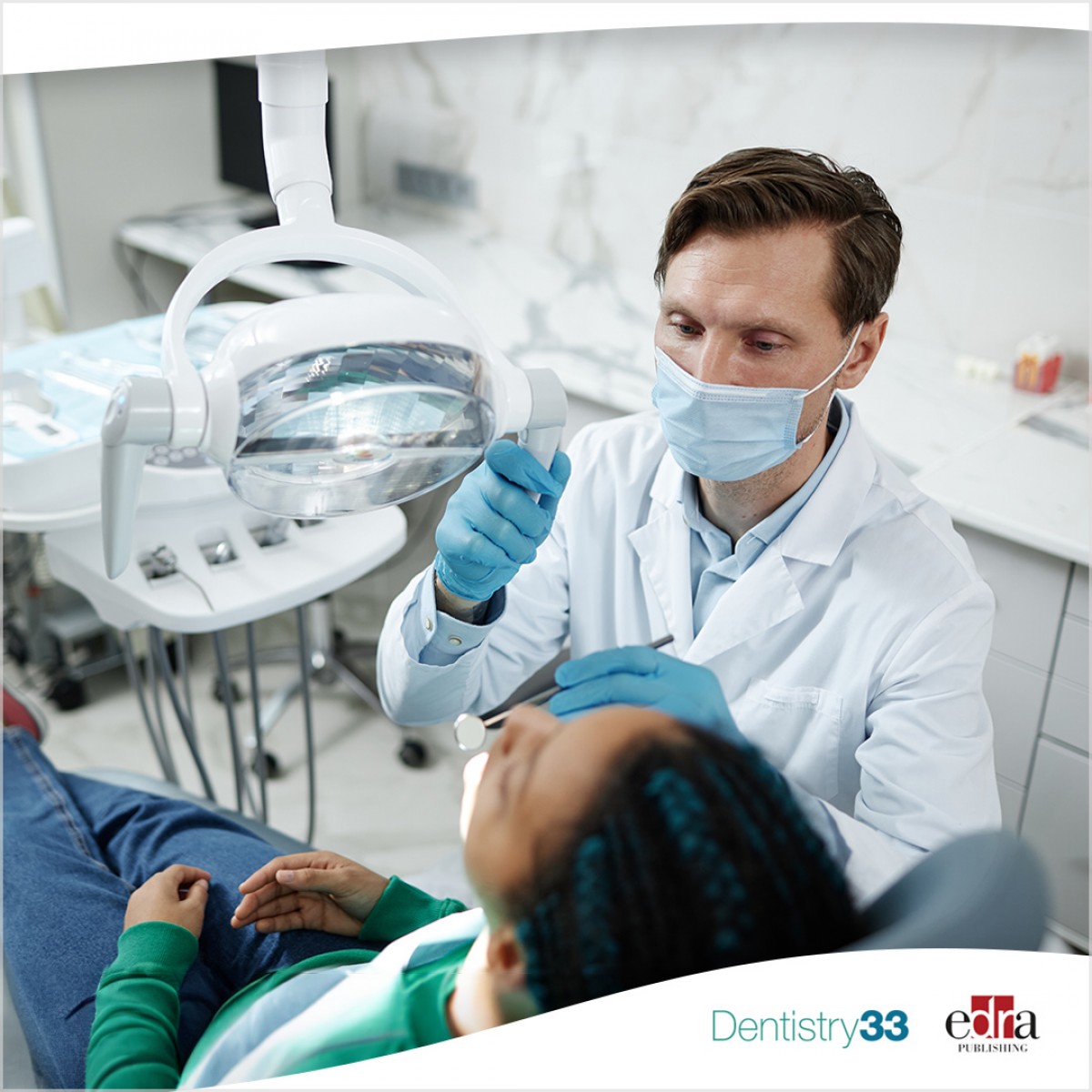
Opportunistic oral cancer screening during visits to the dentist is a non-invasive and accessible option for detection of pre-malignant lesions and early-stage malignancies. The objective of this study was to investigate the knowledge, practices, and attitudes towards oral cancer screening among dentists.
Methods
A 42-item survey was sent to 650 dental professionals affiliated with the University of Toronto. Data regarding training/practice characteristics, knowledge of oral cavity cancer, current screening practices, attitudes towards screening, and remuneration were collected.
Results
Ninety-one dentists responded. Most obtained their dental degree from Canada (71.4%) and were practicing in large urban centers (87.9%). Most dentists correctly identified the oral tongue (87.8%) and floor of mouth (80%) as the two of most common sites of oral cavity cancer but only 56% correctly identified the most common presentation. 91% performed intra/extra oral examinations at every patient visit. Only 9.9% of dentists discussed the risk factors of oral cancer and 33% were not familiar with resources for smoking cessation and alcohol abuse. International medical graduates were more likely to discuss risk factor management than Canadian medical graduates (p < 0.01). Over 80% of dentists referred to a specialist when a suspected lesion was found. The greatest barrier for oral cancer screening was lack of time. Almost all dentists (98.8%) reported that their screening practices do not differ depending on the patient’s insurance status and 63.8% reported compensation would not influence their decision to perform oral examinations.
Conclusion
Most dentists have a good knowledge of the presentation and risk factors associated with oral cavity cancer. Most dentists perform screening with every patient, with no influence from compensation and insurance status. Dentists are therefore an excellent first contact for oral cavity cancer screening for the general public and for high-risk populations.
Mavedatnia, D., Cuddy, K., Klieb, H. et al. "Oral cancer screening knowledge and practices among dental professionals at the University of Toronto." BMC Oral Health 23, 343 (2023). https://doi.org/10.1186/s12903-023-03062-3
 Related articles
Editorials 26 February 2026
Shared Process Underlies Oral Cancer Pain and Opioid Tolerance
Blocking growth factor receptor signaling using cancer drugs may overcome two challenges: managing cancer pain and preventing tolerance to painkillers
Editorials 22 October 2025

She will examine how Medicaid adult dental coverage and preventive dental visits influence diagnosis and survival outcomes for oral and pharyngeal cancers.

To help increase success in treating patients with oral cancer, Adams School of Dentistry’s Aimin Peng, PhD, is working on a project to target a possible vulnerability in this cancer type.

Oral carcinogenesis is a multifactorial process involving numerous genetic events that alter normal functions of oncogenes and tumour suppressor genes.

On a cool and crisp April morning, the sun shone brightly as students, faculty and friends took to the streets to raise money and awareness for a worthy cause.
Read more
Europe 27 September 2026 - 30 November -0001
Digital Dentistry Society Global Congress 2026: Event Preview and Professional Highlights

The Digital Dentistry Society Global Congress 2026 will take place from October 22, 2026 to October 24, 2026 in TBD, Rotating Europe, offering dental professionals a focused environment for...
Editorials 27 September 2026
Dentistry33 survey highlights replacement care, deep caries and evolving restorative workflows
Reader survey finds direct composites remain dominant, secondary caries is the leading reason for restoration replacement, and clinicians want more training in pulp preservation
Reader survey finds direct composites remain dominant, secondary caries is the leading reason for restoration replacement, and clinicians want more training in pulp preservation
Edra Professional Books 26 September 2026
Manual of oral surgery: A Practical Reference for Dental Professionals
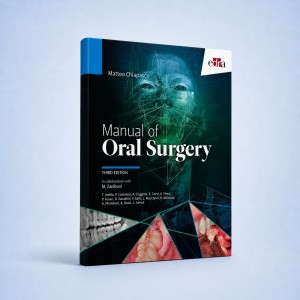
Manual of oral surgery is an Edra professional dentistry reference focused on clinical practice, education and treatment planning.
Products 25 September 2026
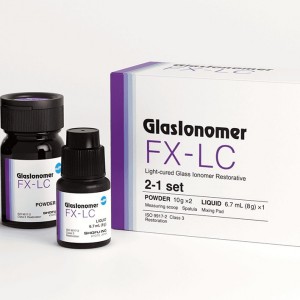
Shofu Dental’s line of dental restorative materials now includes FX-LC, a next-generation, light-cure, resin-reinforced glass ionomer formulated to deliver high strength, efficient 4
News 25 September 2026

The scholarships are part of an ongoing workforce solutions strategy to help address the need for skilled dental hygienists



Copyright © 2026 - All Rights Reserved
ISSN 2767-1178