


Preventive agents on initial caries lesions during orthodontic treatment
Giulia Palandrani

Incipient caries lesions (ILs) around the surfaces of banded or bonded teeth are a common orthodontic problem. Current literature indicates that this is associated with a fixed orthodontic treatment prevalence rate of 26% - 89%. Most studies in the literature show how topical fluoride application of toothpastes, gels, rinses, and varnishes can be beneficial in patients with fixed appliances.
The objective of this study was to compare the effectiveness of four different methods (placebo, fluoride gel, fluoride varnish, and chlorhexidine varnish) in preventing ILs during orthodontic treatment .
MATERIALS AND METHODS
All subjects (48 patients) were well educated and motivated to use the fluoride toothpaste (Colgate Total, 1450 ppm F) three times a day during the study period. The patients were randomized in 4 groups : -Control group ( tooth brush + placebo gel very 3 months from baseline) -Fluoride gel (topical application of a 1.23% APF gel every 3 months from baseline) -Fluoride varnish ( Enamel ProVarnish applications , 5% Sodium Fluoride , every 3 months from baseline) -Chlorhexidine varnish teeth ( Cervitec varnish , 1% chlorhexidine diacetate and 1% thymol , every 3 months from baseline ) The efficacy of different methods on the occlusal surfaces of second molar teeth was evaluated using a laser fluorescent pen up ( Diagnodent pen - DD) to the 6th and 12th month appointment, and the results for the proximal surfaces of all premolar and molar teeth were interpreted using bitewing radiographs at baseline and at 24 months.
RESULTS
The mean DD values increased significantly in the control and gel groups during the 12 months compared to the baseline (p < 0.05). Statistically significant differences were found between the mean DD readings of the two varnish groups and the other groups
(p < 0.05) at 6th and 12th months, but no significant differences were found between the two varnish groups (p > 0.05). Statistically, there were no significant differences relating to the proximal caries progression between the four methods (p > 0.05).
A lower caries increment was obtained in the two varnish groups during the 24 months, and this was statistically different from the control and fluoride gel groups (p < 0.05)
CONCLUSIONS
The study show how fluoride and chlorhexidine varnish was more effective for treating occlusal and intact proximal ILs after 12 months. Furthermore effective toothbrushing with 1450 ppm fluoridated toothpaste and fluoride gel application seems to be inadequate for prevention of intact proximal ILs during fixed orthodontic treatment.
For additional informations: Effectiveness of different preventive agents on initial occlusal and proximal caries lesions: A follow-up study
 Related articles
Oral Hygiene & Prevention 02 November 2026
This peer-reviewed oral hygiene & prevention article summarizes clinical evidence from Odontology (2026). It focuses on findings that may help dental professionals evaluate treatment decisions,...
Oral Hygiene & Prevention 30 October 2026
This peer-reviewed oral hygiene & prevention article summarizes clinical evidence from BMC oral health (2026). It focuses on findings that may help dental professionals evaluate treatment...
Oral Hygiene & Prevention 29 October 2026
This peer-reviewed oral hygiene & prevention article summarizes clinical evidence from BMC oral health (2026). It focuses on findings that may help dental professionals evaluate treatment...
Oral Hygiene & Prevention 14 October 2026
Propolis-containing formulations in caries prevention - a systematic review and meta-analysis.
This peer-reviewed oral hygiene & prevention article summarizes clinical evidence from Clinical oral investigations (2026). It focuses on findings that may help dental professionals evaluate...
Oral Hygiene & Prevention 30 September 2026
Propolis-containing formulations in caries prevention - a systematic review and meta-analysis.
This peer-reviewed oral hygiene & prevention article summarizes clinical evidence from Clinical oral investigations (2026). It focuses on findings that may help dental professionals evaluate...
Read more
Edra Professional Books 07 November 2026
The prosperous dental practice: A Practical Reference for Dental Professionals
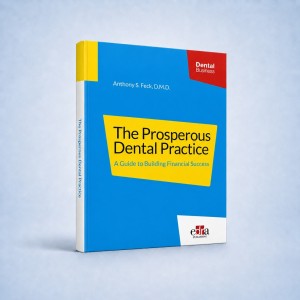
The prosperous dental practice is an Edra professional dentistry reference focused on clinical practice, education and treatment planning.
Products 06 November 2026
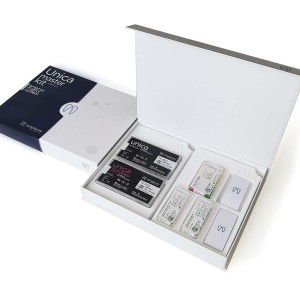
In First Impressions, George Freedman, DDS, gives readers a brief summary of products that have recently been introduced to dentistry, based on his clinical experience.
News 06 November 2026

Healthcare Technology Veteran to Lead Product, Operations, and Engineering as DentalXChange Accelerates Product-Led Growth
News 06 November 2026
CareCredit Pay Later Launches for Health and Wellness Financing

CareCredit Pay Later is CareCredit’s enhanced installment loan product, which will be presented digitally alongside CareCredit’s revolving credit card to give consumers additional
Editorials 06 November 2026

From groundbreaking research to composting on campus, here are some of our favorite stories from 2022.


Copyright © 2026 - All Rights Reserved
ISSN 2767-1178