


Zygomatic implants and Full-Arch rehabilitations in severely atrophic jaws
Lara Figini
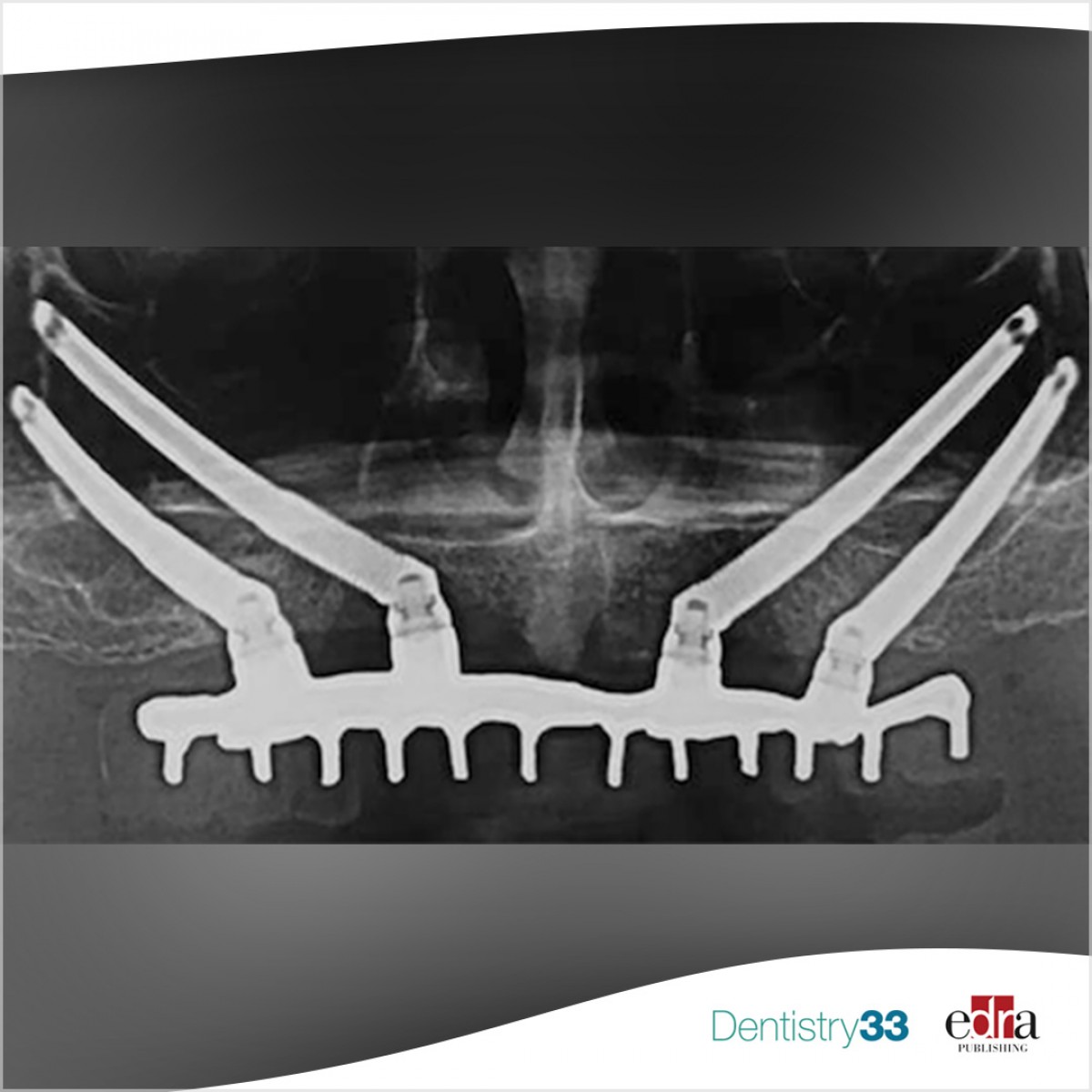
Several techniques have been proposed to resolve the maxillary atrophy, as elevation of the maxillary sinus floor, surgical maxillary reconstruction with iliac crest, cortical plate expansion, osteotome sinus lifting, bone grafts, titanium meshes, or Le Fort I maxillary down fracture. Some of these treatment options need multiple surgical interventions, varying success rates and increased surgical fees. Brånemark, in 1989, initially developed the ZIs for the rehabilitation of atrophied maxillae in patients with tumors who had undergone total or partial maxillectomy. Currently, ZIs are indicated for dental rehabilitation of atrophic upper jaws. An implant with the following characteristics was initially designed: 45° head, 4.5-mm diameter at its widest part, and a length of 30 to 50 mm.
The implant follows an insertion path of the palatal aspect in the alveolar process, following the zygomatic alveolar crest until its anchorage in the malar body
Materials and Methods
In a systematic review, published on International Journal of Implant Dentistry, February 2021, the authors illustrated the results of treatment with zygomatic implants (ZI) in rehabilitations of the atrophic upper jaw.
Two reviewers carried out a bibliographic search using PubMed, as well as a manual search, according to a pre-established search strategy, taking into account the language and the study period, selecting any type of clinical trial and study that involved the insertion of zygomatic implants for the rehabilitation of atrophic jaws. The search was limited to the English language. Reviews of the literature and case reports were not considered.
Results
Forty-two articles published between March 2003 and April 2019 were included in this analysis. 1247 patients were evaluated in which 2919 ZI zygomatic implants were placed. Fifty-two ZIs were lost during the follow-up period. The survival rate of these zygomatic implants was found to be 98.22%, with a minimum follow-up of 1 month and a maximum of 228 months. Different types of surgery and different techniques have been adopted to place the ZI; however, the intrasinusal technique was found to be the most used (23 studies). Post-surgical sinusitis was the most common complication reported in the studies (39 cases).
Conclusions
From the results of this review, which need to be confirmed by other similar reviews, it can be concluded that ZI zygomatic implants are commonly used for the rehabilitation of patients with severely atrophic upper jaw, and show high survival rates. The surgical technique depends on the individual experience of the practitioner and the specific anatomy.
Clinical implications
Faced with severely atrophic and edentulous jaws, the specialist can rely on zygomatic implants for rehabilitation as they represent a predictable and reliable method. However, further studies on bone resorption, aesthetic outcomes and physiological characteristics are needed.
For additional information: Full arch rehabilitation in patients with atrophic upper jaws with zygomatic implants: a systematic review
 Related articles
New York Implant Institute now offers live online participation for its hands-on implant training courses, allowing registered doctors to participate remotely via Zoom.
News 02 October 2026
New York Implant Institute Plans Live Patient Surgery Courses
Institute offers a variety of hands-on implant training through its dental implant CE courses and live surgery courses.
Products 23 September 2026
New zygomatic implant system brings MegaGen’s BLUEDIAMOND engineering, XPEED® surface technology, and flexible prosthetic solutions to complex full-arch rehabilitation.
News 16 September 2026
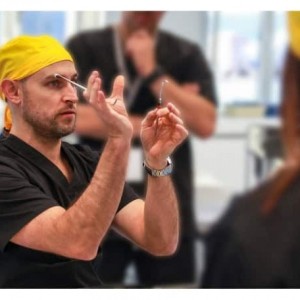
Products 07 September 2026
New York Implant Institute Plans Live Patient Surgery Courses
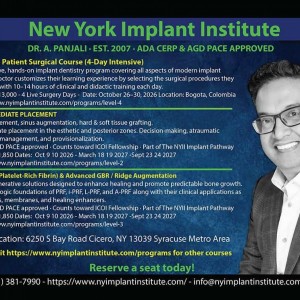
Institute offers a variety of hands-on implant training through its dental implant CE courses and live surgery courses.
Read more

Jen Kim Field, chief sustainability officer at Henry Schein and president of the Henry Schein Cares Foundation, answers questions for Dentistry Today about the group’s achievements
News 12 October 2026

The education-first program offered learning for the entire dental practice, with practical insights spanning the full patient journey and focused on improving workflows, collabora
News 12 October 2026
AAO and Stand for the Silent Unite Communities This Month to Shine a Light on Bullying Prevention
Editorials 12 October 2026
Expanded coverage: Texas A&M’s Plemons named 2026 Texas Dentist of the Year

Sometimes a small act of generosity can make a tremendous impression, especially on a 7-year-old.
Endodontics 12 October 2026
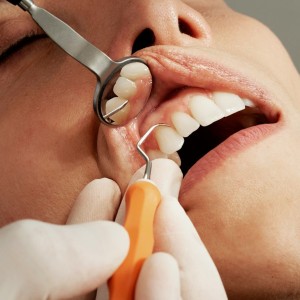
This peer-reviewed endodontics article summarizes clinical evidence from Journal of dentistry (2026). It focuses on findings that may help dental professionals evaluate treatment decisions, patient...



Copyright © 2026 - All Rights Reserved
ISSN 2767-1178