


Zirconia: a material of the future in Implantology?
Lara Figini
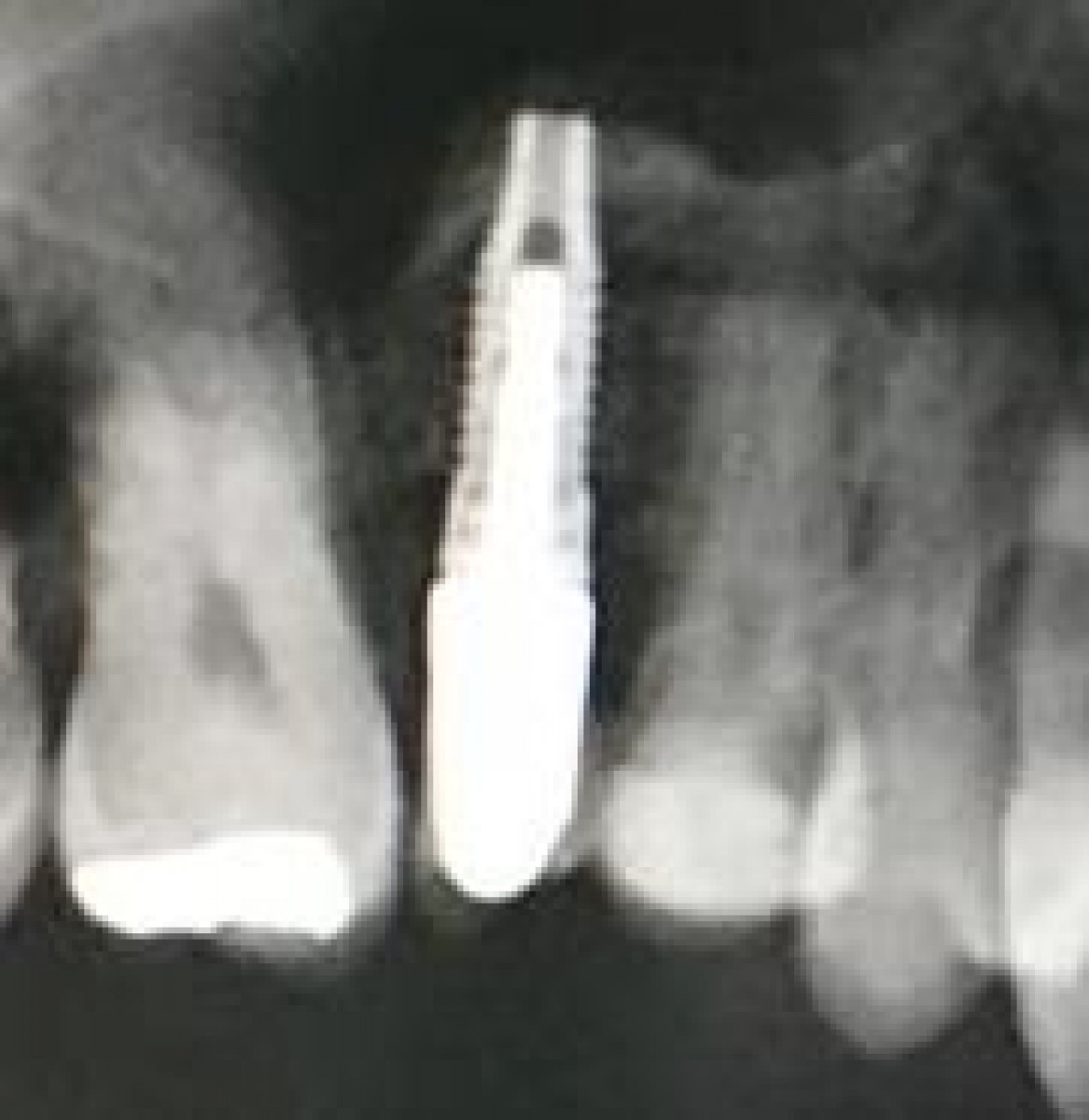
Patients 'aesthetic expectation for dental rehabilitation has become predominant, leading dentists to focus more on their choice in aesthetic materials rather than metal-based materials in order to meet patients' demands.
The confluence between the digital revolution and material science development has offered a potential solution to biological, aesthetic and mechanical limitations reported with conventional titanium implant supported restorations, offering patients, in Implantology, a prosthetic alternative without metal, with optimized aesthetic potential and efficiency in terms of time / costs, obtaining at the same time comparative biocompatibility and valid mechanical properties.
Materials and methods
In a recent revision, published on Dental Materials - January 2020, the authors provided an in-depth description of published work on the application of zirconia for dental implants and restorations on titanium implants, with an emphasis on clinical studies from the past dozen years with at least 1-year follow-up. Online databases (Pubmed, Science Direct, Web of Science) were consulted on this topic. Published work from 2007 to 2019 was collected, analyzed and pertinent articles were selected for inclusion on this review.
Results
No obvious advantage has been documented in terms of biocompatibility, osteoconductivity, physical properties or allergenicity with zirconium implants compared to titanium, except for the aesthetic advantage.
While short-term studies have been promising, larger multicentered, longitudinal and randomized clinical trials with success data are required o validate zirconia as a viable alternative to the titanium implant and its design.
Zirconia abutments with a titanium base have revealed a high survival rate and show no difference to metal.
Bi-layered zirconia ceramic restorations are a valid treatment alternative to metal ceramic implant restorations for single crowns with similar biological complications and enhanced aesthetics.
Monolithic zirconia restorations hold promise to address the chipping incidence of the bi-layered ceramic restoration, but longer-term studies are necessary, and work needs to be done to improve their aesthetics.
The gingival feldspathic porcelain veneered monolithic zirconia complete arch prosthesis versus a resin metal prosthesis, in medium term studies, offers a high survival rate and low mechanical complication rate, reduced laboratory costs, superior durability and wear characteristics, enhanced fit due to digital fabrication, availability of a digital file for duplication in the future, acrylic try for adjustment and approval, and reduced plaque and biofilm accumulation.
Conclusions
From data of this review, which must be confirmed in other similar reviews, it can be concluded that the digital flows that use all the ceramic materials in zirconium offered on implant patients a metal-free prosthetic alternative, with optimized aesthetic potential and efficiency in terms of time / costs, obtaining at the same time comparative biocompatibility and mechanical properties comparable to traditional metal systems.
Zirconia is a versatile material for implant prosthetic application. However, additional long-term multicenter studies are needed to assess the criteria and the degree of success at distance. Monolithic zirconia offers enhanced mechanical properties for implant restorations, but further development is needed to optimize aesthetics.
For additional informations: Has zirconia made a material difference in implant prosthodontics? A review
Italian version: http://www.odontoiatria33.it/implantologia/18392/zirconia-il-materiale-del-futuro-in-implantologia.html
 Related articles
Implantology 22 April 2021
Zirconia Implants Vs. Titanium implants: radiographic and histometric crestal bone response

Titanium implants have been successfully used for the replacement of teeth for over 40 years, mechanical and biological stability and excellent long-term results make titanium the gold...
Implantology 16 July 2019

Zirconia implants have been brought to the dental market as a viable alternative to titanium implants initially to fulfill a demand from patients for...
Read more
Continuous innovation across the DEXIS ecosystem helps clinicians work with greater clarity, confidence, and efficiency
News 23 October 2026
CrownPoint Partners announced the successful closing of a $9.2 million, five-property dental sale-leaseback portfolio located throughout Michigan.
News 23 October 2026
Dentsply Sirona, Midwest Dental Expand Technology Relationship
Beginning November 1, Dentsply Sirona will expand its long-standing relationship with Midwest Dental Equipment & Supply beyond consumables to include its complete technology portfo
Editorials 23 October 2026
Honoring Excellence: Graduation Awards for CU Anschutz Dental Students and Faculty

As the University of Colorado Anschutz School of Dental Medicine celebrates the graduating DDS Class of 2025, we are proud to recognize the students and faculty members whose excep
Implantology 23 October 2026
This peer-reviewed implantology article summarizes clinical evidence from Clinical oral implants research (2026). It focuses on findings that may help dental professionals evaluate treatment...


Copyright © 2026 - All Rights Reserved
ISSN 2767-1178