


Why and how to convince patients of the importance of replacing lost or missing teeth
Lara Figini
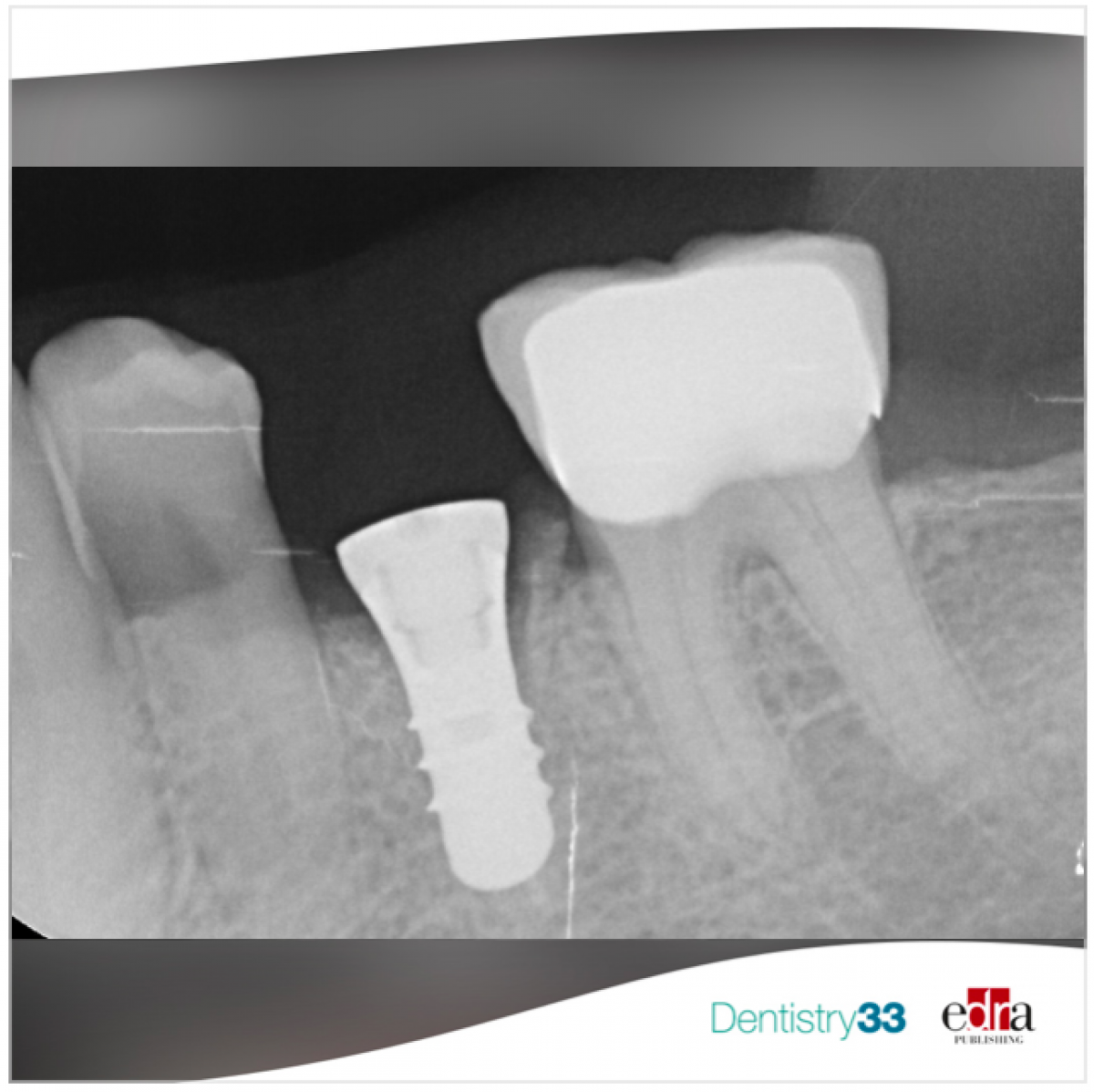
Unfortunately, it is still very common in the dental field that after the extraction of teeth or in front of missing teeth, the dentist must "try to convince" the patient of the importance of replacing the lost teeth as, even today, a good slice of patients think about rehabilitation solutions only if they are aesthetic sectors, neglecting instead the posterior sectors of their mouth, putting them in the background. And often it is not even that easy for the dentist to find the right, simple and convincing way to achieve this goal.
In an article published in the Journal of the American Dental Association in May 2021, the author provides explanations and indications, especially for patients, of how important it is to replace lost teeth with prostheses.
First of all it must be made to understand to patients that missing or lost teeth are not only an aesthetic problem but can cause important functional (chewing) and phonetics problems:
- functional problems as a missing or lost tooth leaves a space that allows the other teeth to tilt, move or "stretch". The lack of one or worse multiple teeth can affect the ability to bite evenly when chewing.
- phonics problems as the teeth also have the characteristic of supporting the cheeks, lips, and containing the tongue so that the loss of the teeth creates "empty areas" in the oral cavity leading to alterations of pronunciation and language difficulties.
It is therefore good to warn patients that after extractions, especially multiple extractions, there will be difficulties in correctly pronouncing some phonemes.
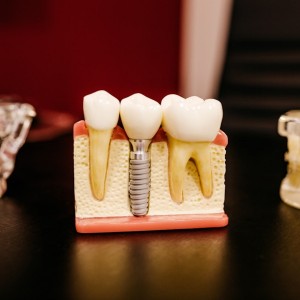
To be convincing, the dentist has the task of explaining to patients in a simple, easy to understand way and without going too far into technical details, that there are several ways to replace a missing or lost tooth, including removable and fixed prostheses. Among the fixed prostheses there can be bridge solutions on natural teeth and the implant solution, more conservative because it does not touch neighboring teeth.
Once the tooth is restored, that's not all. It should be explained to the patient that at this point it is his time to enter the game as you have to take great care of the "new artificial teeth" so it becomes necessary to dedicate a little more time to normal home oral hygiene after positioning a fixed prosthesis. There will be space under the replacement teeth where food and debris can become trapped, making cleaning aids, such as dental floss and pipe cleaners, essential. The dentist or hygienist will have to give all the appropriate specific tips on the options available and on how to use them to maintain proper home hygiene that will allow a greater survival of the prosthesis.
However, the rest of the mouth must also be kept healthy:
- brushing twice a day with a fluoride-containing toothpaste;
- cleaning the interdental spaces daily;
- following a healthy diet, limiting snacks or sugary drinks;
- undergo regular check-ups at the dentist so that the specialist can check your oral health and make sure that the "new" prosthesis fits properly and is not chipped, cracked or worn.
 Related articles
Implantology 22 October 2026
This peer-reviewed implantology article summarizes clinical evidence from Clinical oral implants research (2026). It focuses on findings that may help dental professionals evaluate treatment...
News 19 October 2026

Milestone achieved approximately two years after full commercial launch reflects growing surgeon adoption and expanding use of EnFix across orthopedic sports medicine applications.
Implantology 16 October 2026
This peer-reviewed implantology article summarizes clinical evidence from Clinical oral implants research (2026). It focuses on findings that may help dental professionals evaluate treatment...
Implantology 04 September 2026
This peer-reviewed implantology article summarizes clinical evidence from Clinical oral implants research (2026). It focuses on findings that may help dental professionals evaluate treatment...
Implantology 20 August 2026
This peer-reviewed implantology article summarizes clinical evidence from Clinical oral implants research (2026). It focuses on findings that may help dental professionals evaluate treatment...
Read more

Continuous innovation across the DEXIS ecosystem helps clinicians work with greater clarity, confidence, and efficiency
News 23 October 2026
CrownPoint Partners announced the successful closing of a $9.2 million, five-property dental sale-leaseback portfolio located throughout Michigan.
News 23 October 2026
Dentsply Sirona, Midwest Dental Expand Technology Relationship
Beginning November 1, Dentsply Sirona will expand its long-standing relationship with Midwest Dental Equipment & Supply beyond consumables to include its complete technology portfo
Editorials 23 October 2026
Honoring Excellence: Graduation Awards for CU Anschutz Dental Students and Faculty

As the University of Colorado Anschutz School of Dental Medicine celebrates the graduating DDS Class of 2025, we are proud to recognize the students and faculty members whose excep
Implantology 23 October 2026
This peer-reviewed implantology article summarizes clinical evidence from Clinical oral implants research (2026). It focuses on findings that may help dental professionals evaluate treatment...



Copyright © 2026 - All Rights Reserved
ISSN 2767-1178