


What is the best obturation technique for oval-shaped canals?
Lara Figini
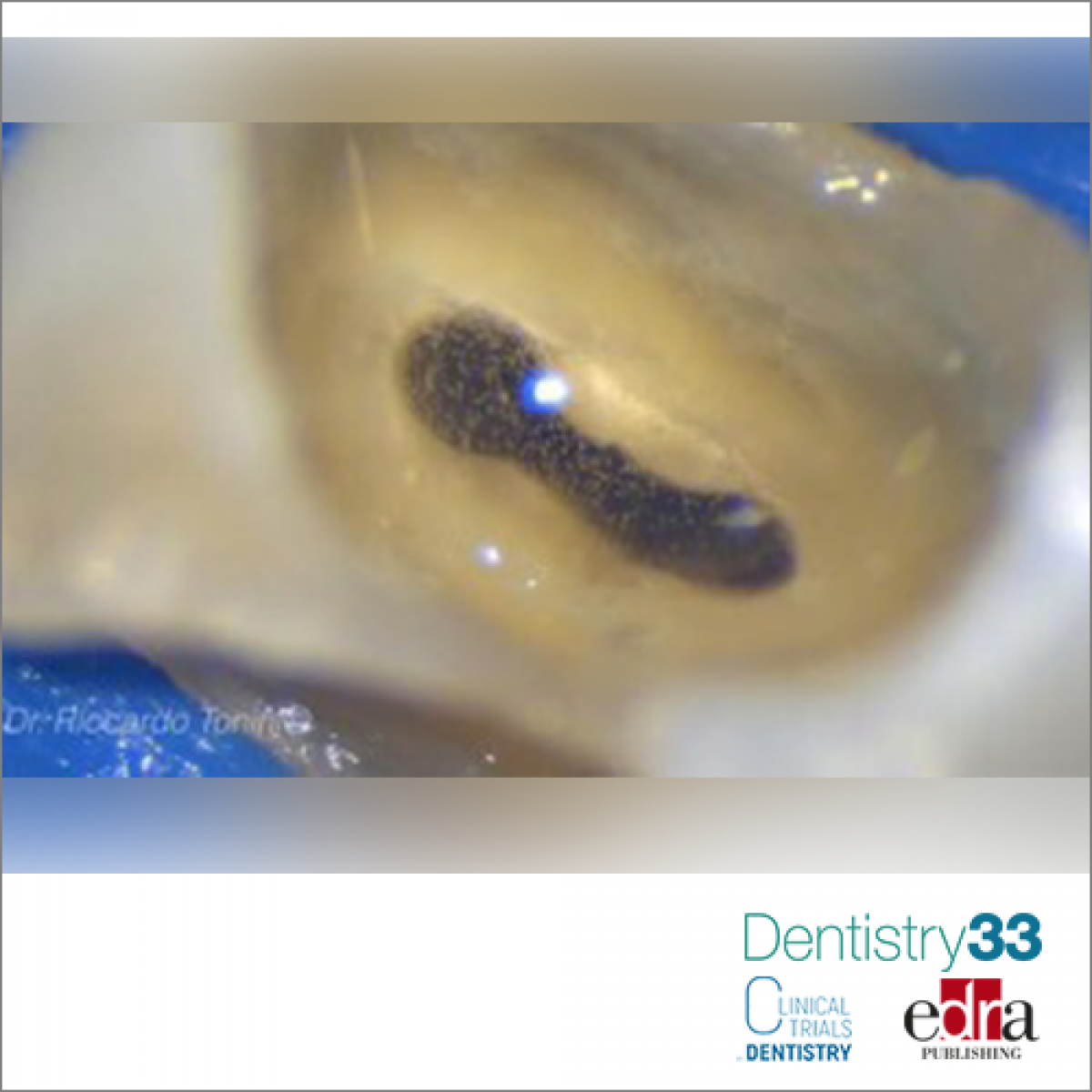
The success of an endodontic treatment depends on many factors, including the initial inflammation and infection of the tooth, root canal anatomy, appropriate chamber and canal access, adequate instrumentation and root canal shaping, cleaning / disinfection of the root system and the three-dimensional filling of the canal space or obturation. To date, there is no clear evidence to support a particular root canal filling technique over others, and the role of filling sometimes risks being underestimated. The basis of a suitable and successful root canal obturation consists in obtaining an airtight seal of the canals as much as possible, and this is particularly complex to achieve especially in particular, non-round canal anatomical shapes, such as C or oval shapes.
Materials and methods
In a study, published in Clincal Oral Invastigation of June 2021, the authors evaluated the quality of root canal fillings obtained using five different techniques applied in oval-shaped root canals. A total of 212 mandibular first molars with a distal oval canal were selected. The distal canals, shaped with WaveOne Gold Primary, were randomly divided into five groups (n = 40) depending on the type of filling performed:
Group A: root canal obturation performed with continuous wave condensation,
Group B: root canal filling performed with GuttaCore,
Group C: root canal filling performed with Thermafil,
Group D: root canal filling performed with single cone and AH plus e cement
Group E: root canal filling performed with single cone and BioRoot RCS cement.
Gutta-percha-packed root canal proportions (GPFA), cement-filled areas (SFA), empty root canal areas (VA), and the presence of cement or gutta tags in the dentinal tubules at 4mm and 2mm from the apex were analyzed. by means of an optical microscope, by means of SEM and energy dispersion X-rays (EDX).
Results
At 4 mm from the apex, areas with a statistically and significantly higher GPFA and with a lower SFA were observed in the GuttaCore and Thermafil groups compared to the other 3 groups. A statistically significant lower VA was observed in the continuous wave condensation, GuttaCore and Thermafil compared to the two single cone groups. At 2 mm from the apex, a statistically and significantly higher GPFA and lower SFA and VA were found in the GuttaCore and Thermafil groups compared to the other 3 groups. At the two levels investigated, the presence of gutta-percha tags were clearly evident for the GuttaCore and Thermafil groups; no tags were observed in the other 3 groups.
Conclusions
From the data of this study, which must be confirmed in other similar studies, it can be concluded that the quality of root canal filling is overall better in the groups in which GuttaCore and Thermafil were used.
Clinical implications
Root canal obturation techniques involving a carrier can significantly improve the quality of the filling compared to continuous wave condensation and the single cone technique. The single cone technique may have inherent limitations especially in oval root canals regardless of the cement used.
(Photocredit: Dr. R. Tonini)
For additional information: Microscopic and chemical evaluation of the filling quality of five obturation techniques in oval-shaped root canals
 Read more
News 19 October 2026

Milestone achieved approximately two years after full commercial launch reflects growing surgeon adoption and expanding use of EnFix across orthopedic sports medicine applications.
Editorials 19 October 2026
Expanded coverage: Texas A&M’s Plemons named 2026 Texas Dentist of the Year

Sometimes a small act of generosity can make a tremendous impression, especially on a 7-year-old.
Endodontics 19 October 2026
This peer-reviewed endodontics article summarizes clinical evidence from International endodontic journal (2026). It focuses on findings that may help dental professionals evaluate treatment...
Endodontics 19 October 2026

This peer-reviewed endodontics article summarizes clinical evidence from BMC oral health (2026). It focuses on findings that may help dental professionals evaluate treatment decisions, patient...
Products 19 October 2026




Copyright © 2026 - All Rights Reserved
ISSN 2767-1178