


The effect of three different root canal filling materials on postoperative pain in teeth with irreversible pulpitis: a randomized clinical trial.

This peer-reviewed endodontics article summarizes clinical evidence from BMC oral health (2026). It focuses on findings that may help dental professionals evaluate treatment decisions, patient outcomes, or clinical protocols.
Abstract
BACKGROUND: This randomized clinical trial aimed to compare postoperative pain (PP) and analgesic consumption following single-visit root canal treatment using two calcium silicate-based sealers (BioMTA + and Well-Root PT) and one epoxy resin-based sealer (Endoplus) in mature permanent mandibular molars diagnosed with asymptomatic irreversible pulpitis.
METHODS: Fifty-four patients were randomly allocated into three groups (n = 18) according to the obturation material used: Endoplus, BioMTA+, or Well-Root PT. All treatments were performed in a single visit under standardized clinical conditions. Root canals were prepared using FKG Race Evo rotary files and irrigated with NaOCl and EDTA, followed by passive ultrasonic activation. Postoperative pain was assessed using a visual analog scale (VAS) at 6, 12, 24, 48, and 72 h and at 1 week postoperatively. Analgesic intake was recorded. Data were analyzed using repeated measures ANOVA and chi-square tests, with the significance level set at p < 0.05.
RESULT: All groups exhibited a statistically significant reduction in postoperative pain over time (p < 0.001 for Endoplus and BioMTA+; p = 0.004 for Well-Root MTA). However, intergroup comparisons revealed no statistically significant differences in pain scores at any evaluation time point (p > 0.05). The highest pain levels were observed within the first 24 h, followed by a rapid decline thereafter. None of the patients required analgesic intake during the postoperative period. Demographic variables were comparable among the groups.
CONCLUSION: Within the limitations of this randomized clinical trial, no statistically significant differences were detected among BioMTA+, Well-Root PT, and Endoplus regarding early postoperative pain following single-visit root canal treatment in mandibular molars with asymptomatic irreversible pulpitis. The type of root canal sealer did not significantly influence postoperative pain outcomes.
TRIAL REGISTRATION: This study was registered at ClinicalTrials.gov (ID: NCT06795282, Record Dates: 22/12/2024).
Key takeaway
Key takeaway: Because the evidence comes from a clinical trial design, the findings may be especially useful when comparing treatment approaches in daily practice.
Introduction from full text
Dental pulp stem cells (DPSCs) primarily participate in maintaining homeostasis in pulp–dentin complex from the various stimuli. After dental pulp injures, DPSCs can either differentiate into odontoblasts or induce odontoblast-like cell differentiation, thereby promoting hard tissue formation. 1 , 2 This process may be affected by a biomaterial for dental pulp. 3 Therefore, interaction between pulp tissues and such material would be critical.
In recent years, calcium silicate-based cements have been the standard in the biomaterials for dental pulp due to their biocompatibility and bioactivity. 4 According to the in vitro studies regarding mineral trioxide aggregate (MTA), it promotes odontogenic differentiation and mineralization of DPSCs. 5 , 6 , 7 In in vivo studies, predictable histological outcomes in pulp healing were observed in MTA-treated groups. 8 , 9 A previous meta-analysis study reviewed that MTA is less likely to trigger inflammatory response and produces more uniform and dense hard tissue formation than calcium hydroxide. 10 Previous human studies also supported these findings. 11 , 12 However, long setting time and tooth discoloration remain the barriers to MTA usage. 13 , 14 Biodentine (BD) is a new type of calcium silicate-based cement which shows faster setting and less discoloration than MTA. 15 BD also promotes hard tissue formation by regulating the release of growth factors such as TGF-β1. 16 , 17 However, both MTA and BD require a mixing procedure before the application because they are provided as powder/liquid form. As proper consistency in powder/liquid ratio is difficult to achieve during the mixing procedure, 18 changes in the mechanical or chemical properties of the materials could occur. 19 A previous in vitro study found that changes in powder/liquid ratio affects radiopacity, setting time, solubility, and calcium ion release of MTA. 20 Another study showed that changes in mixing conditions alter the physical and chemical properties, and microstructure of BD. 21
Recently, a premixed putty-type bioactive cement, Well-Root PT (WRPT; Vericom Co., Chuncheon, Korea) has been introduced. As WRPT is available in a premixed capsule form, 22 it can provide uniform and adequate consistency and clinical convenience. 18 WRPT can be applied directly in the oral cavity by mounting the capsule in a gun. And WRPT has a short setting time than MTA and BD, with an approximately 5 min for initial setting and 45 min for final setting. 23 Despite these advantages, the biocompatibility and bioactivity of WRPT have not been fully studied. Therefore, this study aimed to assess the biocompatibility and bioactivity of WRPT by comparing with MTA and BD in both in vitro and in vivo . The null hypothesis of this study was that WRPT has a lower priority in terms of pulpal inflammation and hard tissue formation than MTA and BD.
Peer-reviewed source
Ayşe Tuğba Eminsoy Avcı, Büşranur Yavuz, Batuhan Karakaya, Yakup Üstün, Tuğrul Aslan
BMC oral health. 2026
DOI: 10.1111/j.1365-2591.2011.01950.x
PMID: 42098797
PubMed: https://pubmed.ncbi.nlm.nih.gov/42098797/
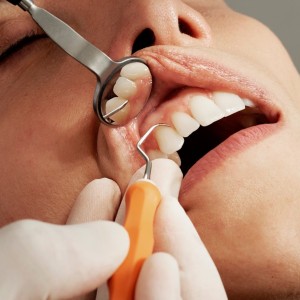
Image: Ozkan Guner (Unsplash)
 Related articles
Endodontics 12 October 2026
This peer-reviewed endodontics article summarizes clinical evidence from Journal of dentistry (2026). It focuses on findings that may help dental professionals evaluate treatment decisions, patient...
Endodontics 05 October 2026
This peer-reviewed endodontics article summarizes clinical evidence from Journal of dentistry (2026). It focuses on findings that may help dental professionals evaluate treatment decisions, patient...
Endodontics 01 October 2026
This peer-reviewed endodontics article summarizes clinical evidence from International endodontic journal (2026). It focuses on findings that may help dental professionals evaluate treatment...
Endodontics 28 September 2026
This peer-reviewed endodontics article summarizes clinical evidence from Journal of dentistry (2026). It focuses on findings that may help dental professionals evaluate treatment decisions, patient...
Endodontics 21 September 2026
This peer-reviewed endodontics article summarizes clinical evidence from Journal of dentistry (2026). It focuses on findings that may help dental professionals evaluate treatment decisions, patient...
Read more
Products 13 October 2026
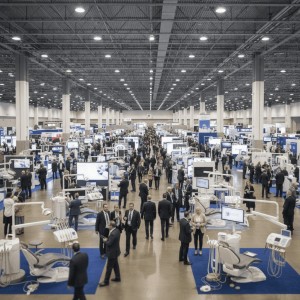

New Resources Help Dental Exhibitors Evaluate Their Investment and Explore the Personify ShowFlow™ Trade Show Success System
News 13 October 2026

New patient apps extend The Aspen Group’s mission to remove barriers to care, giving patients greater visibility, convenience, and control from booking through treatment
Editorials 13 October 2026

The forerunner of what’s now Texas A&M College of Dentistry opened 120 years ago in Dallas with the mission of educating dentists to provide quality care to patients in North Texas
Oral pathology 13 October 2026
This peer-reviewed oral pathology article summarizes clinical evidence from Oral oncology (2026). It focuses on findings that may help dental professionals evaluate treatment decisions, patient...



Copyright © 2026 - All Rights Reserved
ISSN 2767-1178