


Selective caries removal or pulpotomy: which approach is better for 'deep' carious lesions?
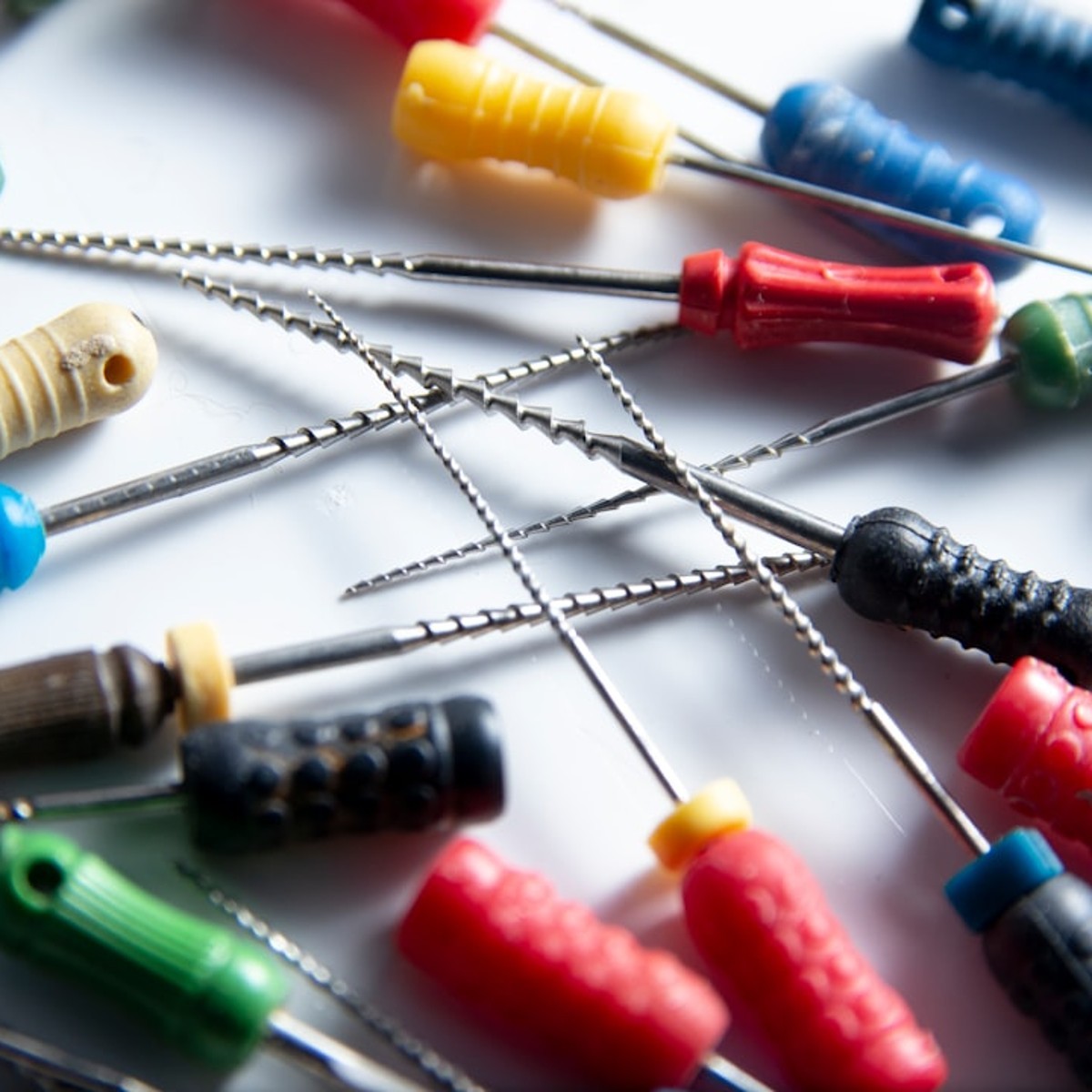
This peer-reviewed endodontics article summarizes clinical evidence from Evidence-based dentistry (2026). It focuses on findings that may help dental professionals evaluate treatment decisions, patient outcomes, or clinical protocols.
Abstract
A COMMENTARY ON: Chew JJR, Tan SHX, Chua SKX, Lui JN, Sim YF, Yu VSH. Three-Year Clinical and Economic Evaluation of Selective Caries Removal and Full Pulpotomy for Extensive Caries: An Exploratory Randomised Controlled Trial. Int Endod J. 2026;59:439-53. Epub 2025 Nov 25. PMID: 41288117; PMCID: PMC12884239.
AIM: The aim of the study was to compare selective caries removal (SCR) with full pulpotomy for managing deeply carious vital permanent teeth. The primary objective was to evaluate pulp survival and the need for further intervention over a 3-year period, and to assess the cost-effectiveness of both interventions.
METHODS: This was an exploratory, two-arm, randomized clinical trial conducted on mature permanent teeth with deep or extremely deep carious lesions. A total of 120 vital teeth with no signs of symptomatic irreversible pulpitis or apical pathology were selected from 101 patients. They were randomly assigned to receive either SCR or a full pulpotomy. Clinical and radiographic evaluations were performed at 6 months, 1 year, and 3 years. Survival analysis was performed using Kaplan-Meier plots, while Cox proportional hazards regression was used to evaluate the effect of treatment on survival over time. Economic evaluation was also conducted from both healthcare and societal perspectives.
RESULTS: At the 3-year follow-up, 44/58 teeth in the SCR group and 37/55 teeth in the pulpotomy group were available for analysis. At the end of the study period, overall, 79% of treated teeth did not require further intervention. Failures were higher in the SCR group than in the pulpotomy group (29.5% vs 10.8%; p = 0.039), and survival rates were lower in the SCR group (74.1% vs 89.1%; p = 0.041 adjusted rates). Time-to-event analysis suggested a higher hazard of failure with SCR, although this was not statistically significant (adjusted HR = 2.58; 95% CI 0.80-8.30). Full pulpotomy, despite higher initial costs, was more cost-effective, becoming favorable at willingness-to-pay thresholds of approximately US$917 and US$928 per RCT/extraction avoided, from healthcare and societal perspectives, respectively.
CONCLUSIONS: Full pulpotomy appears more effective than SCR in extremely deep lesions, while outcomes in deep lesions remain comparable. However, a large proportion of lesions were extremely deep, which may have influenced these findings.
Key takeaway
Key takeaway: Because the evidence comes from a clinical trial design, the findings may be especially useful when comparing treatment approaches in daily practice.
Introduction from full text
Traditionally, cavitated carious lesions and those extending into dentine have been treated by 'complete' removal of carious tissue, i.e. non‐selective removal and conventional restoration (CR). Alternative strategies for managing cavitated or dentine carious lesions remove less or none of the carious tissue and include selective carious tissue removal (or selective excavation (SE)), stepwise carious tissue removal (SW), sealing carious lesions using sealant materials, sealing using preformed metal crowns (Hall Technique, HT), and non‐restorative cavity control (NRCC).
Peer-reviewed source
Neeraj Gugnani, Shalini Gugnani
Evidence-based dentistry. 2026
DOI: 10.1002/14651858.CD013039.pub2
PMID: 42410205
PubMed: https://pubmed.ncbi.nlm.nih.gov/42410205/
Image: Ozkan Guner (Unsplash)
 Related articles
Endodontics 12 October 2026
This peer-reviewed endodontics article summarizes clinical evidence from Journal of dentistry (2026). It focuses on findings that may help dental professionals evaluate treatment decisions, patient...
Endodontics 05 October 2026
This peer-reviewed endodontics article summarizes clinical evidence from Journal of dentistry (2026). It focuses on findings that may help dental professionals evaluate treatment decisions, patient...
Endodontics 01 October 2026
This peer-reviewed endodontics article summarizes clinical evidence from International endodontic journal (2026). It focuses on findings that may help dental professionals evaluate treatment...
Endodontics 28 September 2026
This peer-reviewed endodontics article summarizes clinical evidence from Journal of dentistry (2026). It focuses on findings that may help dental professionals evaluate treatment decisions, patient...
Endodontics 21 September 2026
This peer-reviewed endodontics article summarizes clinical evidence from Journal of dentistry (2026). It focuses on findings that may help dental professionals evaluate treatment decisions, patient...
Read more
Products 13 October 2026


New Resources Help Dental Exhibitors Evaluate Their Investment and Explore the Personify ShowFlow™ Trade Show Success System
News 13 October 2026

New patient apps extend The Aspen Group’s mission to remove barriers to care, giving patients greater visibility, convenience, and control from booking through treatment
Editorials 13 October 2026

The forerunner of what’s now Texas A&M College of Dentistry opened 120 years ago in Dallas with the mission of educating dentists to provide quality care to patients in North Texas
Oral pathology 13 October 2026
This peer-reviewed oral pathology article summarizes clinical evidence from Oral oncology (2026). It focuses on findings that may help dental professionals evaluate treatment decisions, patient...



Copyright © 2026 - All Rights Reserved
ISSN 2767-1178