


Selective caries removal or pulpotomy: which approach is better for 'deep' carious lesions?
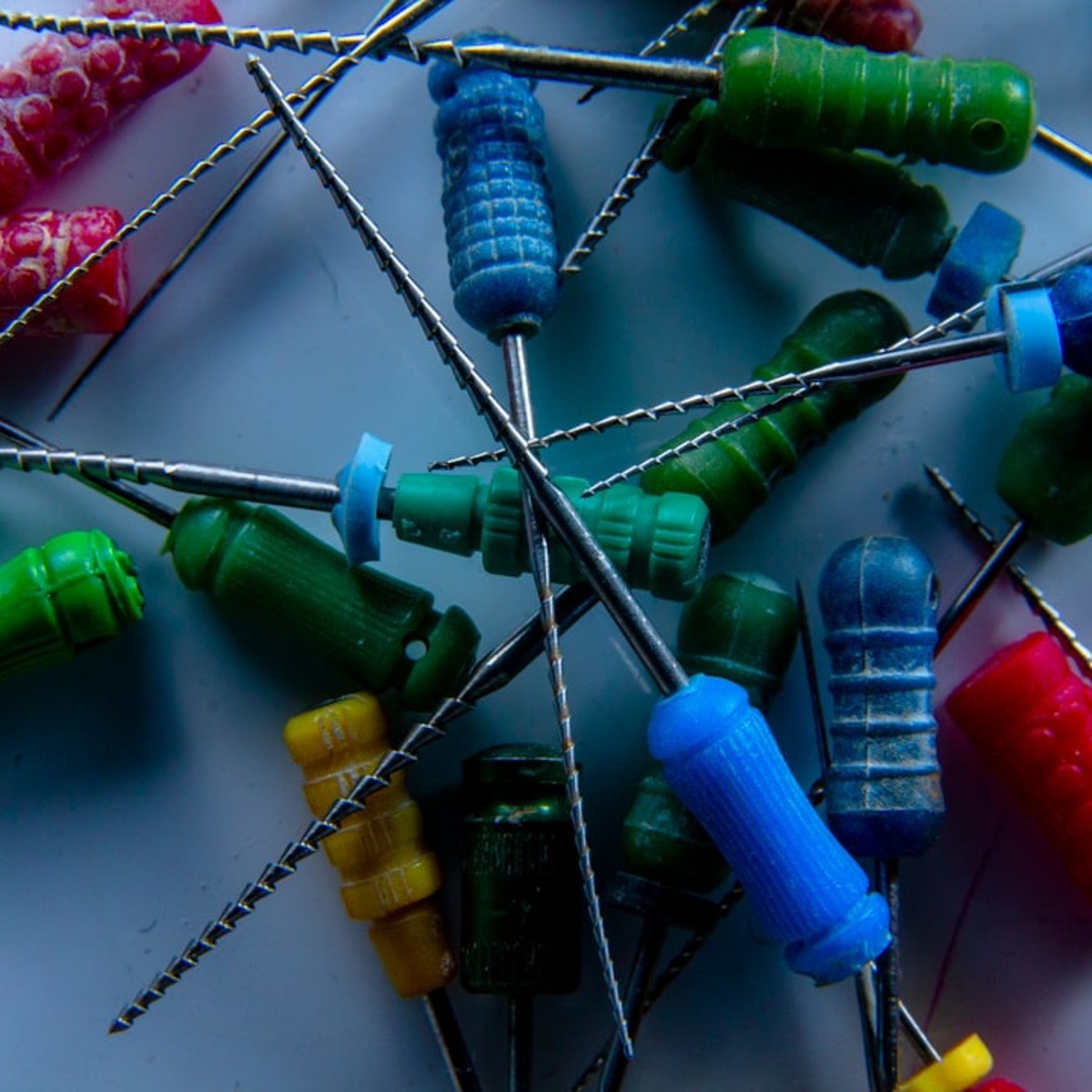
This peer-reviewed endodontics article summarizes clinical evidence from Evidence-based dentistry (2026). It focuses on findings that may help dental professionals evaluate treatment decisions, patient outcomes, or clinical protocols.
Abstract
A COMMENTARY ON: Chew JJR, Tan SHX, Chua SKX, Lui JN, Sim YF, Yu VSH. Three-Year Clinical and Economic Evaluation of Selective Caries Removal and Full Pulpotomy for Extensive Caries: An Exploratory Randomised Controlled Trial. Int Endod J. 2026;59:439-53. Epub 2025 Nov 25. PMID: 41288117; PMCID: PMC12884239.
AIM: The aim of the study was to compare selective caries removal (SCR) with full pulpotomy for managing deeply carious vital permanent teeth. The primary objective was to evaluate pulp survival and the need for further intervention over a 3-year period, and to assess the cost-effectiveness of both interventions.
METHODS: This was an exploratory, two-arm, randomized clinical trial conducted on mature permanent teeth with deep or extremely deep carious lesions. A total of 120 vital teeth with no signs of symptomatic irreversible pulpitis or apical pathology were selected from 101 patients. They were randomly assigned to receive either SCR or a full pulpotomy. Clinical and radiographic evaluations were performed at 6 months, 1 year, and 3 years. Survival analysis was performed using Kaplan-Meier plots, while Cox proportional hazards regression was used to evaluate the effect of treatment on survival over time. Economic evaluation was also conducted from both healthcare and societal perspectives.
RESULTS: At the 3-year follow-up, 44/58 teeth in the SCR group and 37/55 teeth in the pulpotomy group were available for analysis. At the end of the study period, overall, 79% of treated teeth did not require further intervention. Failures were higher in the SCR group than in the pulpotomy group (29.5% vs 10.8%; p = 0.039), and survival rates were lower in the SCR group (74.1% vs 89.1%; p = 0.041 adjusted rates). Time-to-event analysis suggested a higher hazard of failure with SCR, although this was not statistically significant (adjusted HR = 2.58; 95% CI 0.80-8.30). Full pulpotomy, despite higher initial costs, was more cost-effective, becoming favorable at willingness-to-pay thresholds of approximately US$917 and US$928 per RCT/extraction avoided, from healthcare and societal perspectives, respectively.
CONCLUSIONS: Full pulpotomy appears more effective than SCR in extremely deep lesions, while outcomes in deep lesions remain comparable. However, a large proportion of lesions were extremely deep, which may have influenced these findings.
Key takeaway
Key takeaway: Because the evidence comes from a clinical trial design, the findings may be especially useful when comparing treatment approaches in daily practice.
Introduction from full text
Traditionally, cavitated carious lesions and those extending into dentine have been treated by 'complete' removal of carious tissue, i.e. non‐selective removal and conventional restoration (CR). Alternative strategies for managing cavitated or dentine carious lesions remove less or none of the carious tissue and include selective carious tissue removal (or selective excavation (SE)), stepwise carious tissue removal (SW), sealing carious lesions using sealant materials, sealing using preformed metal crowns (Hall Technique, HT), and non‐restorative cavity control (NRCC).
Peer-reviewed source
Neeraj Gugnani, Shalini Gugnani
Evidence-based dentistry. 2026
DOI: 10.1002/14651858.CD013039.pub2
PMID: 42410205
PubMed: https://pubmed.ncbi.nlm.nih.gov/42410205/
Image: Ozkan Guner (Unsplash)
 Related articles
Endodontics 05 November 2026
This peer-reviewed endodontics article summarizes clinical evidence from International endodontic journal (2026). It focuses on findings that may help dental professionals evaluate treatment...
Endodontics 21 October 2026
This peer-reviewed endodontics article summarizes clinical evidence from BMC oral health (2026). It focuses on findings that may help dental professionals evaluate treatment decisions, patient...
Endodontics 20 October 2026
This peer-reviewed endodontics article summarizes clinical evidence from Clinical oral investigations (2026). It focuses on findings that may help dental professionals evaluate treatment decisions,...
Endodontics 19 October 2026
This peer-reviewed endodontics article summarizes clinical evidence from International endodontic journal (2026). It focuses on findings that may help dental professionals evaluate treatment...
Endodontics 19 October 2026

This peer-reviewed endodontics article summarizes clinical evidence from BMC oral health (2026). It focuses on findings that may help dental professionals evaluate treatment decisions, patient...
Read more
Products 23 November 2026

In this episode of Speaking of Dentistry… The Editor’s Cut with Stan Goff, Stan Goff, Managing Editor of Dentistry Today , speaks with Saro Hatzakortzian, CEO of Alien Milling Tech
News 23 November 2026
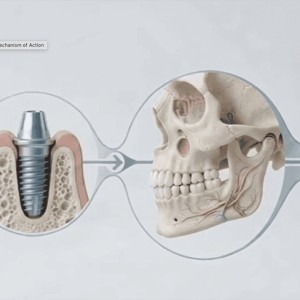
NIH-funded research expands evaluation of company’s technology into a significant new indication involving bone loss around dental implants.
News 23 November 2026

Growth leader joins as Curve advances its $200 million R&D commitment and builds the platform dental practices won’t outgrow.
Editorials 23 November 2026
Honoring Achievement, Embracing Service: School of Dentistry Commencement 2026

Surrounded by family and friends, the UCSF School of Dentistry Class of 2026 came together at the Palace of Fine Arts Theatre on May 28, 2026, to celebrate their graduation and mar
Oral Hygiene & Prevention 23 November 2026
This peer-reviewed oral hygiene & prevention article summarizes clinical evidence from BMC oral health (2026). It focuses on findings that may help dental professionals evaluate treatment...


Copyright © 2026 - All Rights Reserved
ISSN 2767-1178