


Effectiveness of intracanal cryotherapy in reducing post-endodontic pain in irreversible pulpitis: a systematic review and meta-analysis.
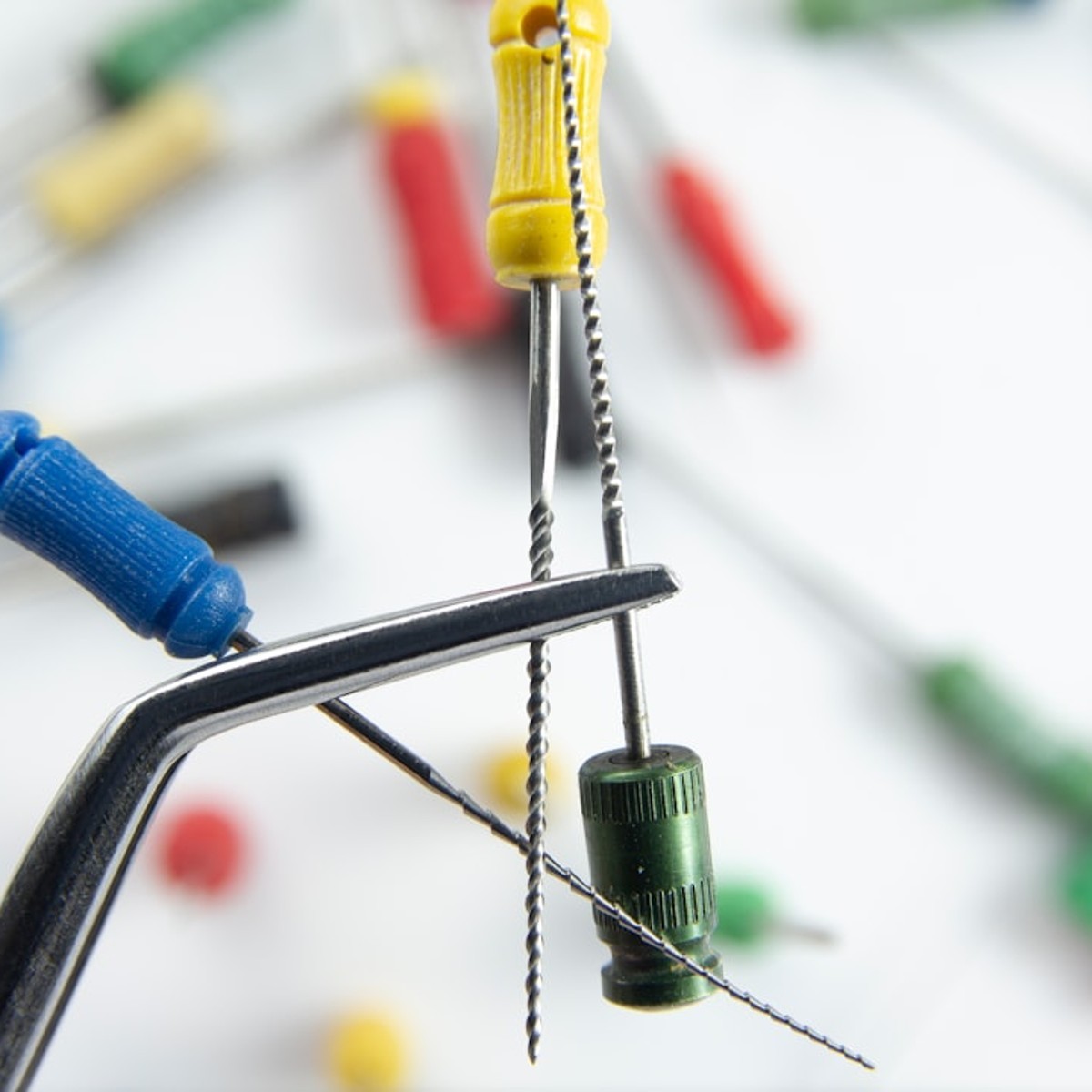
This peer-reviewed endodontics article summarizes clinical evidence from Scientific reports (2026). It focuses on findings that may help dental professionals evaluate treatment decisions, patient outcomes, or clinical protocols.
Abstract
Irreversible pulpitis is characterized by persistent inflammation and moderate to severe pain, often requiring pharmacological or adjunctive strategies for postoperative management. Intracanal cryotherapy has emerged as a simple, cost-effective technique to mitigate this pain by utilizing cold-induced physiological responses. This systematic review and meta-analysis aimed to evaluate the clinical evidence regarding the effectiveness of intracanal cryotherapy in reducing postoperative pain in teeth with irreversible pulpitis. Electronic searches were conducted in PubMed, Web of Science, Cochrane, and Scopus up to October 2025. Randomized controlled trials (RCTs) comparing intracanal cryotherapy to conventional endodontic treatment. Two reviewers independently screened studies, extracted data, and assessed risk of bias using RoB 2. Random-effects meta-analysis was performed using SMD for pain levels at 6, 12, 24, 48, and 72 h. Twelve RCTs were included; nine were meta-analyzed. Cryotherapy significantly reduced pain at 6 and 12 h but not later time points. Intracanal cryotherapy appears to be a safe and inexpensive adjunct that is associated with reduced early postoperative pain, with the most consistent effect observed within the first 6-12 h. Heterogeneity and short follow-up periods. Cryotherapy reduces early postoperative pain only.Registration: PROSPERO CRD420261295239.
Key takeaway
Key takeaway: This review-level evidence helps clinicians interpret the consistency and strength of available clinical findings in this topic area.
Introduction from full text
Endodontic treatment should not only focus on microbial elimination from the root canal system but also on mitigating the pain caused by various preoperative and postoperative factors (Smith et al. 2017 ). Pain management should take into account a variety of pre, intra and postoperative factors (Arias et al. 2013 ). Several variables such as type of irrigant, irrigation activation, extrusion of irrigants (Liapis et al. 2021 ; Karatas et al. 2021 ), flare‐up (Bassam et al. 2021 ), instrumentation techniques (Western and Dicksit 2017 ), debris extrusion (Adiguzel et al. 2019 ), occlusal reduction (Nguyen‐Nhon et al. 2020 ) could influence pain during and after the endodontic procedure. In addition, some mechanical factors might provoke post‐operative pain including enlargement of apical foramen (Silva et al. 2013 ), failure to maintain apical patency (Yaylali et al. 2018 ), over instrumentation of the root canal, movement kinematics (Adiguzel et al. 2019 ) and root canal sealers (Ferreira et al. 2020 ).
Evidence has proven that primary endodontic infections are predominated by gram positive microorganisms (Chávez de Paz 2004 ; Narayanan and Vaishnavi 2010 ). Prostaglandins (PGs)—a major component of the cell wall—contribute to trigger and up regulate the inflammatory process (Grga et al. 2013 ). Indeed, PGs cause vasodilation, increase vascular permeability, decrease the threshold of nociceptors that on turn evoke post‐operative pain. Moreover, it's been reported that the presence of PGE2, PGF2α, and PGA2 has a significant role in generating endodontic pain (Siqueirajr et al. 2002 ). Lipoteichoicacid (LTA), a component of gram‐positive bacterial cell wall, has shown to influence inflammatory mediators (Park et al. 2013 ). Enterococcus faecalis , a gram‐positive bacteria, possess polyglycerol phosphate‐type LTA (EfLTA) that plays an important role in biofilm formation and bacterial adhesion (Hong et al. 2016 ). In addition, LTA induces proinflammatory mediators and instigate the release of proinflammatory cytokines such as Tumor Necrosis Factor alpha (TNF‐a), Interleukin‐1 (IL‐1), Interleukin‐ 8 (IL‐8), Interleukin‐12 (IL‐12) (Henderson 1996 ; Parolia 2015 ). These proinflammatory cytokines cause further release of substance P that might increase endodontic pain (Jain et al. 2013 ). Furthermore, the extrusion of dentinal debris during root canal treatment, in combination with microbial agents and chemical disinfectants, may induce an acute inflammatory reaction in the periapical tissues, thereby causing post‐endodontic pain (Teja et al. 2025 ). Sodium hypochlorite (NaOCl), the mostly used endodontic irrigant, presents several properties as antimicrobial effect, canals lubrication, smear layer formation prevention and pulp tissue dissolving, and it's been demonstrated to be effective in inactivating and eliminating LTA (Marending et al. 2007 ). However, its extrusion into the periradicular area may result in significant adverse tissue reactions and pain due to its caustic nature (Prasad et al. 2024 ). Although it's been demonstrated that higher NaOCl concentrations are associated with post‐operative pain occurrence (Prasad et al. 2024 ; Sabino‐Silva et al. 2023 ), its optimal safe concentration as well as the persistence of pain within the first 72 h should be further elucidated. Therefore, the aim of the present systematic review and meta‐analysis was to assess the influence of different concentrations of NaOCl on post‐operative pain following root canal treatment.
Peer-reviewed source
Maged Mohamed, Asmaa Abdelmajeed, Muhammad Salah-Uddin Anwar Laithy, Dina Abozaid
Scientific reports. 2026
DOI: 10.1002/cre2.70320
PMID: 42031860
PubMed: https://pubmed.ncbi.nlm.nih.gov/42031860/
Image: Ozkan Guner (Unsplash)
 Related articles
Endodontics 21 September 2026
This peer-reviewed endodontics article summarizes clinical evidence from Journal of dentistry (2026). It focuses on findings that may help dental professionals evaluate treatment decisions, patient...
Endodontics 16 September 2026
This peer-reviewed endodontics article summarizes clinical evidence from International endodontic journal (2026). It focuses on findings that may help dental professionals evaluate treatment...
Endodontics 14 September 2026
This peer-reviewed endodontics article summarizes clinical evidence from Journal of dentistry (2026). It focuses on findings that may help dental professionals evaluate treatment decisions, patient...
Endodontics 07 September 2026
This peer-reviewed endodontics article summarizes clinical evidence from Journal of dentistry (2026). It focuses on findings that may help dental professionals evaluate treatment decisions, patient...
Endodontics 31 August 2026
This peer-reviewed endodontics article summarizes clinical evidence from Journal of dentistry (2026). It focuses on findings that may help dental professionals evaluate treatment decisions, patient...
Read more
Europe 27 September 2026 - 30 November -0001
Digital Dentistry Society Global Congress 2026: Event Preview and Professional Highlights

The Digital Dentistry Society Global Congress 2026 will take place from October 22, 2026 to October 24, 2026 in TBD, Rotating Europe, offering dental professionals a focused environment for...
Editorials 27 September 2026
Dentistry33 survey highlights replacement care, deep caries and evolving restorative workflows
Reader survey finds direct composites remain dominant, secondary caries is the leading reason for restoration replacement, and clinicians want more training in pulp preservation
Reader survey finds direct composites remain dominant, secondary caries is the leading reason for restoration replacement, and clinicians want more training in pulp preservation
Edra Professional Books 26 September 2026
Manual of oral surgery: A Practical Reference for Dental Professionals
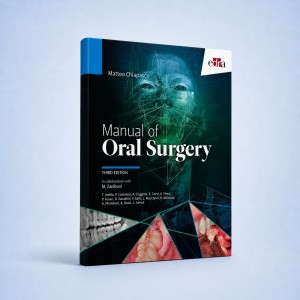
Manual of oral surgery is an Edra professional dentistry reference focused on clinical practice, education and treatment planning.
Products 25 September 2026
Shofu Dental’s line of dental restorative materials now includes FX-LC, a next-generation, light-cure, resin-reinforced glass ionomer formulated to deliver high strength, efficient 4
News 25 September 2026

The scholarships are part of an ongoing workforce solutions strategy to help address the need for skilled dental hygienists



Copyright © 2026 - All Rights Reserved
ISSN 2767-1178