


Minimally invasive access cavity and reduced root canal shaping: how do they affect the biomechanics of endodontically treated elements?
Simona Chirico
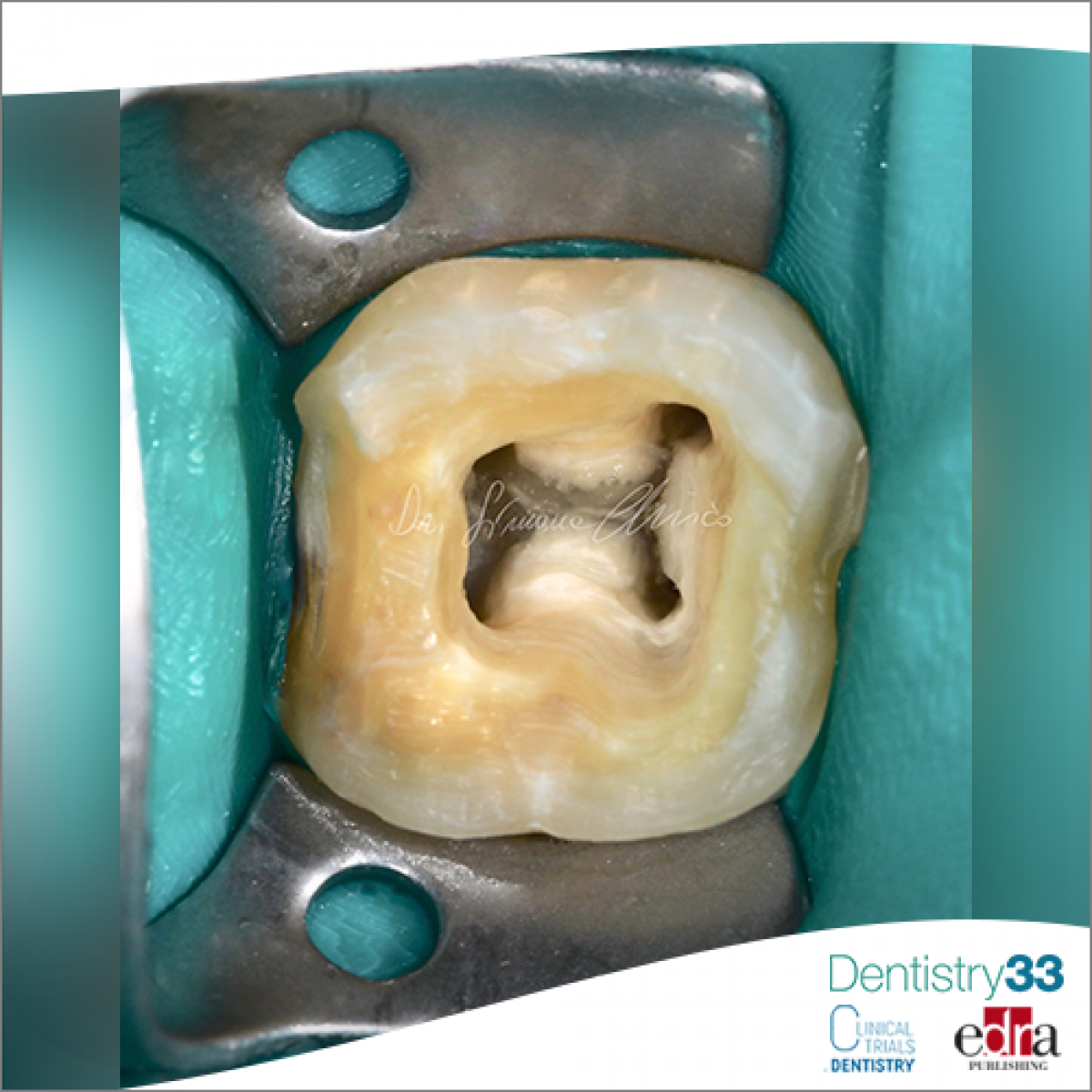
With the introduction of nickel-titanium instrument and of the straight-line access there was an increasing amount of success rate of endodontic treatment. Minimally invasive access in endodontics (MIE), in fact, guarantees the integrity of tooth structure and reducing the loss of dental hard tissue, such as adopting minimized endodontic access cavity and endodontic instrument with smaller taper in endodontic treatment. . Although MIE reduced the removal of dental hard tissue, whether it decreased the failure risk of endodontically treated teeth remained unknown. However, some shortcomings are inevitable.
In a study published by Wang et al on Journal of Endodontics, they decided to investigate the influence of access cavities and tapers of canal preparations on fracture resistance of endodontically treated first molars by finite element method and Weibull analysis.
Materials and Methods
On the basis of the microcomputed tomography data of maxillary first molar, the models of endodontically treated teeth with conservative endodontic cavity, traditional endodontic cavity, and 4 tapers of canal preparations (0.02, 0.04, 0.06, and 0.08) were created. Four static loads (800 N in total) were applied vertically to the contact points. The stress distributions of maximum principal stress were recorded and analyzed. Weibull analysis was performed to analyze the failure risk in enamel and dentin.
Results
The stress distributions of maximum principal stress on occlusal surfaces were similar. In cervical region, the tensile stress was mainly concentrated on mesiobuccal root and root furcation. The finite element analysis and Weibull analysis showed that conservative endodontic cavity significantly reduced the maximum principal stress in cervical region and the failure probability, compared with traditional endodontic cavity. No significant difference was detected among tapers of prepared canals.
Conclusions
Preserving coronal dentin by using conservative endodontic cavity significantly reduced the concentration of tensile stress and the failure probability of dentin, although the maximum principal stress and failure probability were less affected by taper of canal preparation.
For additional information: Effect of Access Cavities and Canal Enlargement on Biomechanics of Endodontically Treated Teeth: A Finite Element Analysis
 Related articles
Endodontics 10 February 2023
Innovative root canal irrigation strategy in minimally invasive endodontics

Study evaluated antimicrobial efficacy
Current irrigation techniques are based on the use of sodium hypochlorite but do not guarantee success in eliminating microorganisms from the root canal.
News 26 August 2026

Premier to broaden clinician access to Forward Science’s FDA-cleared, non-drug oral wound dressing for post-procedural periodontal care
Products 08 July 2026
Premier Dental® announces the launch of StackFlow™ Injectable Light-Cured Composite, a versatile flowable composite engineered to deliver control and adaptable handling across a wi
Premier Dental proudly announces the introduction of MultiMatch Flow Chameleon Antimicrobial Composite with BioArmor—the next evolution in flowable composite engineered to deliver active...

Priva Rotary Instruments Diamond Burs from Premier Dental are high-performance electroplated diamonds featuring SmartEdge Technology designed to enhance a clinician’s rotary portfolio.
Read more

Jen Kim Field, chief sustainability officer at Henry Schein and president of the Henry Schein Cares Foundation, answers questions for Dentistry Today about the group’s achievements
News 12 October 2026
The education-first program offered learning for the entire dental practice, with practical insights spanning the full patient journey and focused on improving workflows, collabora
News 12 October 2026
AAO and Stand for the Silent Unite Communities This Month to Shine a Light on Bullying Prevention
Editorials 12 October 2026
Expanded coverage: Texas A&M’s Plemons named 2026 Texas Dentist of the Year

Sometimes a small act of generosity can make a tremendous impression, especially on a 7-year-old.
Endodontics 12 October 2026
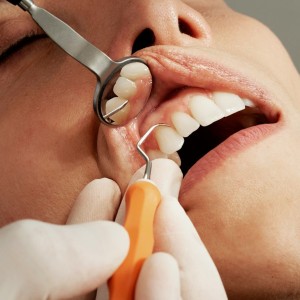
This peer-reviewed endodontics article summarizes clinical evidence from Journal of dentistry (2026). It focuses on findings that may help dental professionals evaluate treatment decisions, patient...



Copyright © 2026 - All Rights Reserved
ISSN 2767-1178