


Discovery Reveals How Diabetes Worsens Periodontal Disease

Researchers at Penn Dental Medicine have identified an important immune signaling pathway through which diabetes exacerbates periodontal disease.
Periodontal disease, one of the most common human diseases, affects well over half of older adults in the United States. Driven by an imbalance in the natural bacterial population in the mouth, it causes chronic inflammation in gum tissue, and ultimately the loss of the supporting jawbone and teeth if it progresses. Periodontal disease tends to be much worse in people who have diabetes, another very common disease. In the study, published in the Journal of Clinical Investigation, the Penn Dental researchers used animal models, analyses of human gum tissue, and other techniques to illuminate how diabetes caused changes that increased tissue destruction.
“We’ve known that diabetes increases both the risk and the severity of periodontal disease, largely through increased inflammation, and here we’ve taken the next step and identified a major signaling pathway driving that increased inflammation,” said the study’s senior author Dana Graves, DDS, DMSc, professor and interim chair of the Department of Periodontics and Vice Dean for Scholarship and Research at Penn Dental Medicine.
Using a well-established mouse model of periodontal disease, the researchers linked diabetes-worsened inflammation and bone loss to increased numbers of a T cell type that secretes the pro-inflammatory protein IL17A, and also noted a reduced population of immune-damping T cells called Treg cells.
Ultimately, they found that this effect depended on a signaling interaction between the protein CD137L, which is expressed on the surface of cells that activate the immune response called dendritic cells, and its matching receptor, CD137, on T cells that carry out the immune response. The CD137L-CD137 pathway is known as a pro-inflammatory enhancer of T cell activity that has been studied in cancer biology. The experiments shed light on why this pathway is linked to diabetes, showing that dendritic cells express CD137L at higher levels in a high-glucose, diabetic environment.
The findings also suggested that activity of the CD137L-CD137 pathway in diabetes is not limited to mice: In a group of periodontal disease patients examined by the researchers, dendritic cells in affected gum tissue were twice as likely to express CD137L when the patients had high blood glucose levels, compared to patients with normal blood glucose.
The good news was that by inhibiting CD137L in dendritic cells, the mice had greatly reduced diabetes-enhanced periodontal inflammation and bone loss—implying that CD137L, or factors that govern its production in dendritic cells, could be a therapeutic target.
The findings represent a step forward in understanding how diabetes worsens inflammation, and highlights the involvement of T cells in the inflammatory response to bacteria.
Source: https://www.dental.upenn.edu/
 Related articles

Graduating students presented research spanning artificial intelligence, clinical care, and global health
News 06 October 2025

In response to the growing national shortage of oral health professionals, Planet Smilez is building a pathway for future providers.
Products 15 April 2025

Adults could one day grow their own replacement teeth instead of having fillings—as scientists make a key discovery.
News 03 August 2026

Dentsply Sirona’s premier clinical education event equips dental professionals with practical, evidence-based strategies to help achieve more predictable outcomes, enhance the pati
Editorials 20 February 2026
A ‘Flight Simulator’ for the Brain Reveals How We Learn—and Why Minds Sometimes Go Off Course

New computer model helps reveal how the brain both adapts and misfires, laying the groundwork for more precise treatments for mental health disorders
Read more
Europe 27 September 2026 - 30 November -0001
Digital Dentistry Society Global Congress 2026: Event Preview and Professional Highlights

The Digital Dentistry Society Global Congress 2026 will take place from October 22, 2026 to October 24, 2026 in TBD, Rotating Europe, offering dental professionals a focused environment for...
Editorials 27 September 2026
Dentistry33 survey highlights replacement care, deep caries and evolving restorative workflows
Reader survey finds direct composites remain dominant, secondary caries is the leading reason for restoration replacement, and clinicians want more training in pulp preservation
Reader survey finds direct composites remain dominant, secondary caries is the leading reason for restoration replacement, and clinicians want more training in pulp preservation
Edra Professional Books 26 September 2026
Manual of oral surgery: A Practical Reference for Dental Professionals
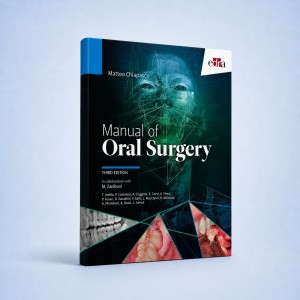
Manual of oral surgery is an Edra professional dentistry reference focused on clinical practice, education and treatment planning.
Products 25 September 2026

Shofu Dental’s line of dental restorative materials now includes FX-LC, a next-generation, light-cure, resin-reinforced glass ionomer formulated to deliver high strength, efficient 4
News 25 September 2026

The scholarships are part of an ongoing workforce solutions strategy to help address the need for skilled dental hygienists



Copyright © 2026 - All Rights Reserved
ISSN 2767-1178