


3D CAD/CAM planning of clear alignment treatment for complex orthodontic case
Author: Rafi Romano

The following case presenta- tion will present complex aes- thetic and functional case of sever deep bite with relapse of previous orthodontic treatment in childhood, combined with periodontic involvement. We used 3D technologies to scan, simulate, plan and treat the patient in very short time with predicted results and comfortable invisible ortho- dontic appliance (figs. 1, 2).

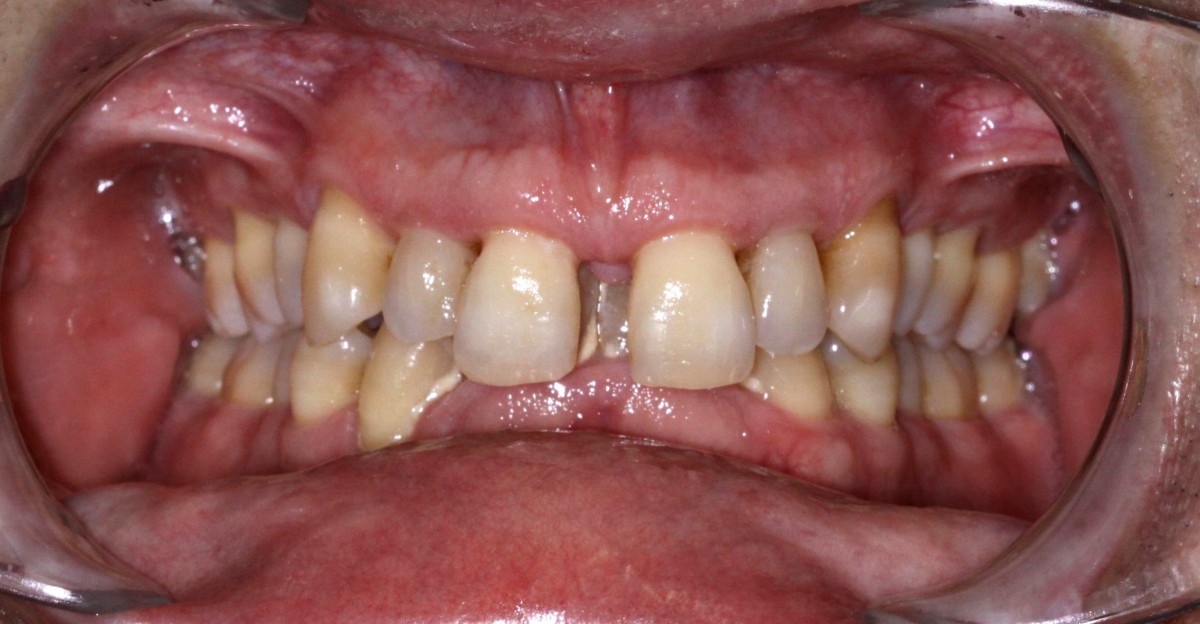
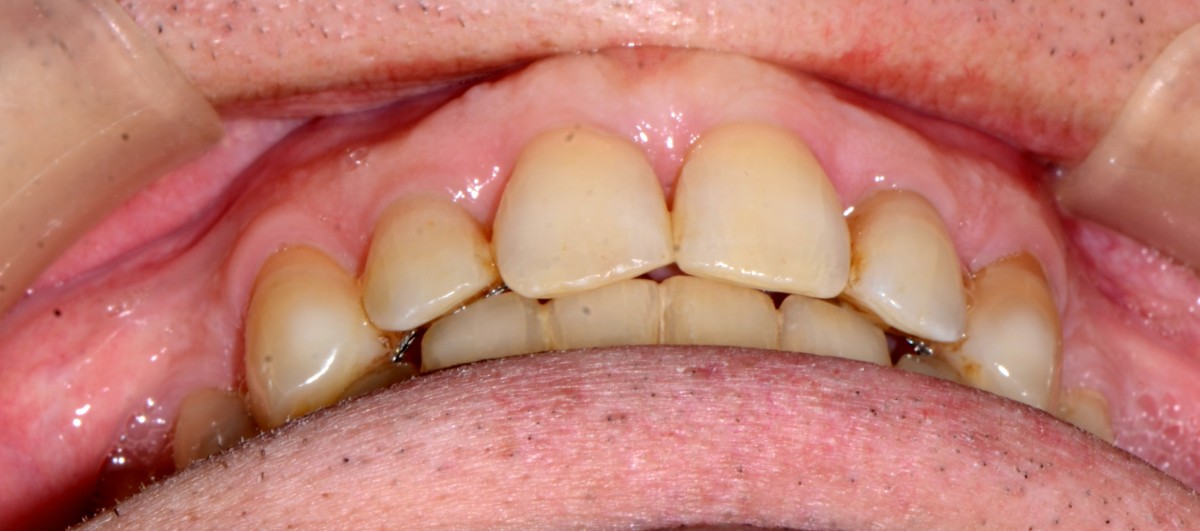
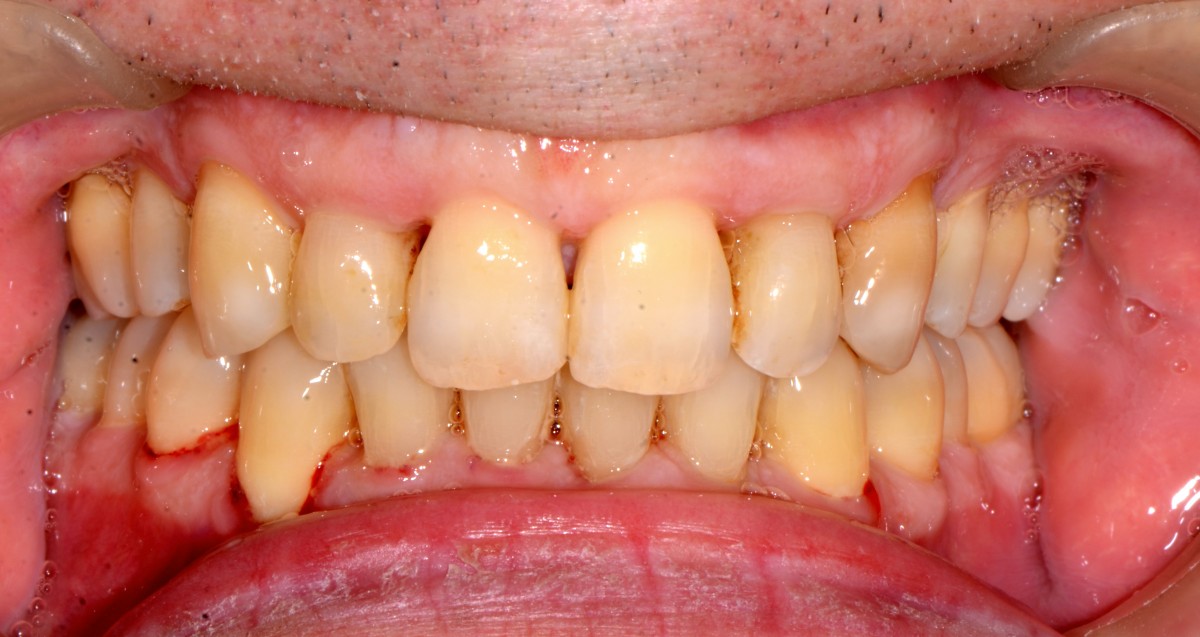
G.L., 51 years old patient, pre- sented to the clinic with Class I malocclusion, deep bite with complete coverage of lower in- cisors, big median diastema between teeth #11 and #21, lack of interdental papilla and poor oral hygiene (figs. 3, 4).
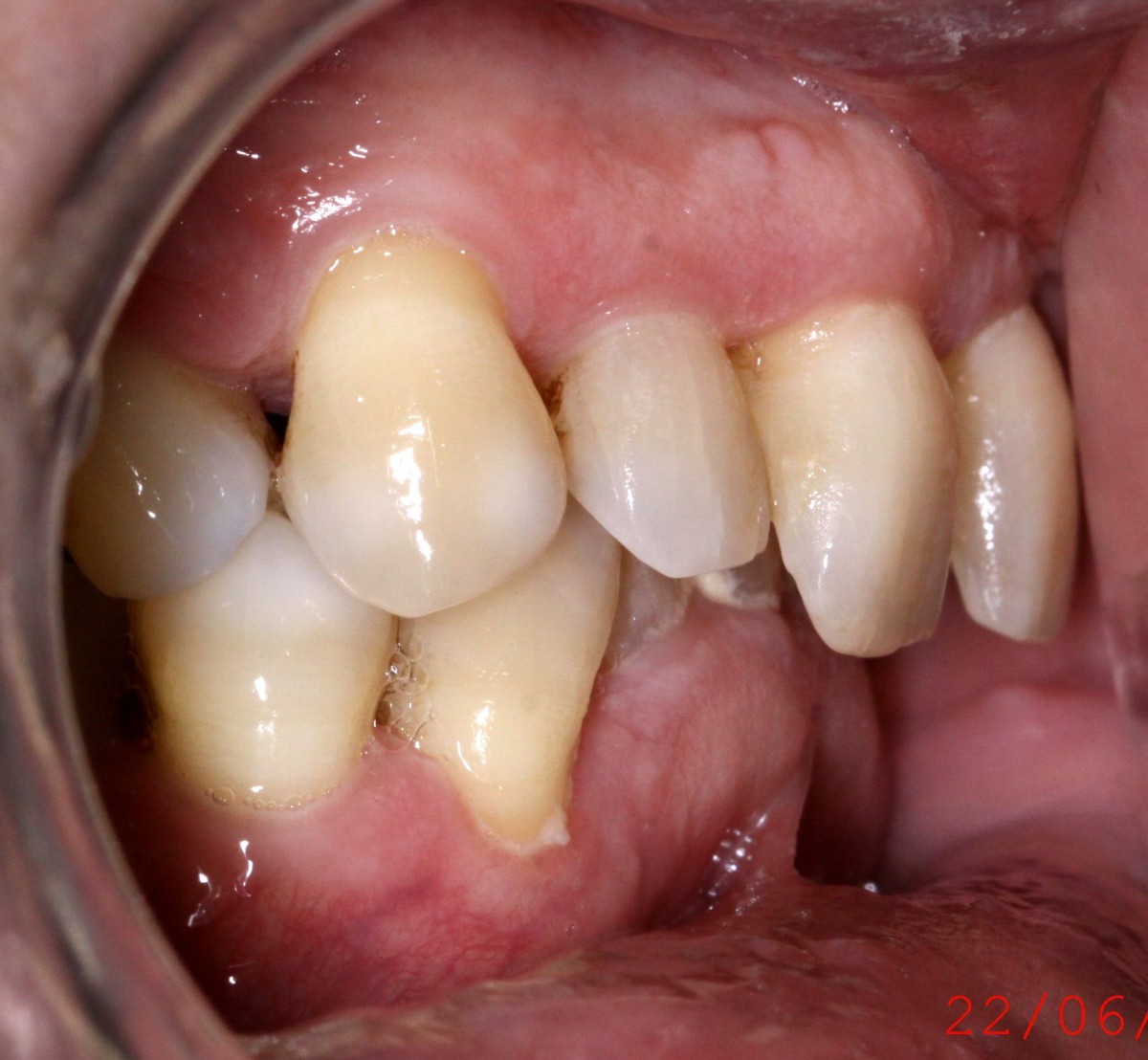
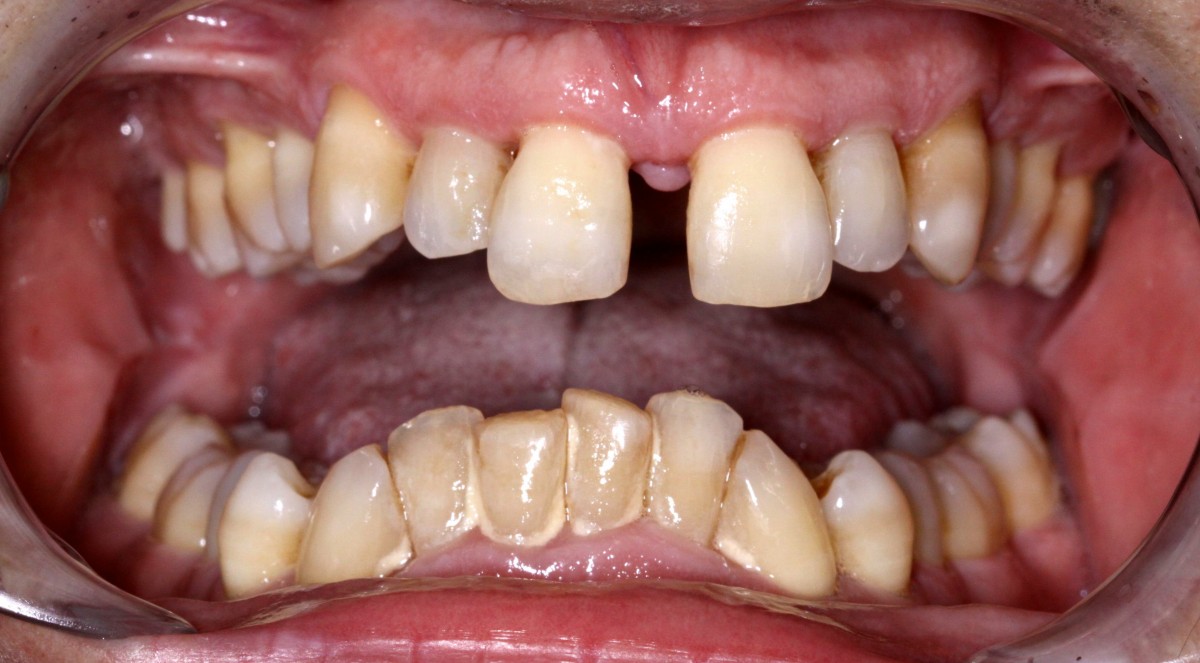
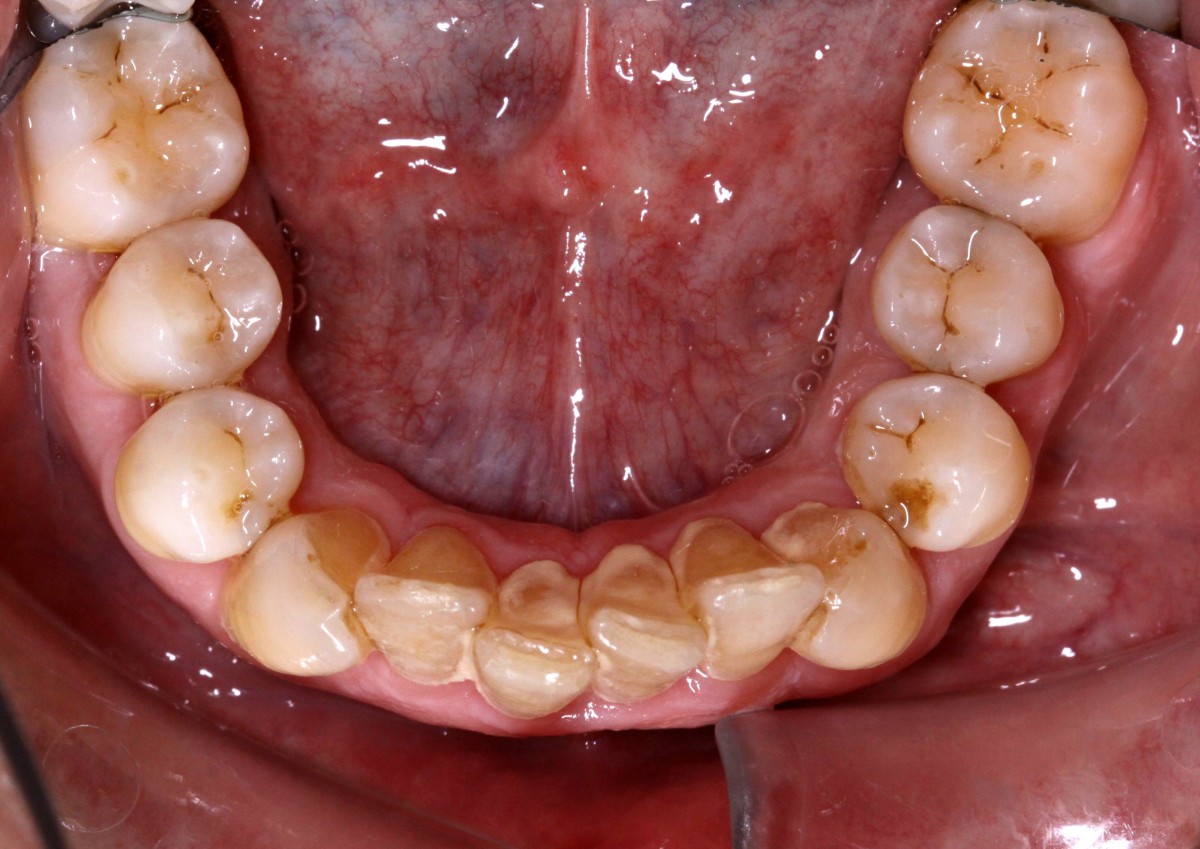
Lower incisors erupted verti- cally and created 2 planes of occlusion and exaggerated curve of spee in the lower arch. The upper lip “pushed” the an- terior incisors lingually and consequently the bite was deepened. Oral hygiene is poor mainly due to the crowding of the lower incisors. The upper diastema resulted in the loss of the interdental papilla between the central incisors (figs. 5, 6).
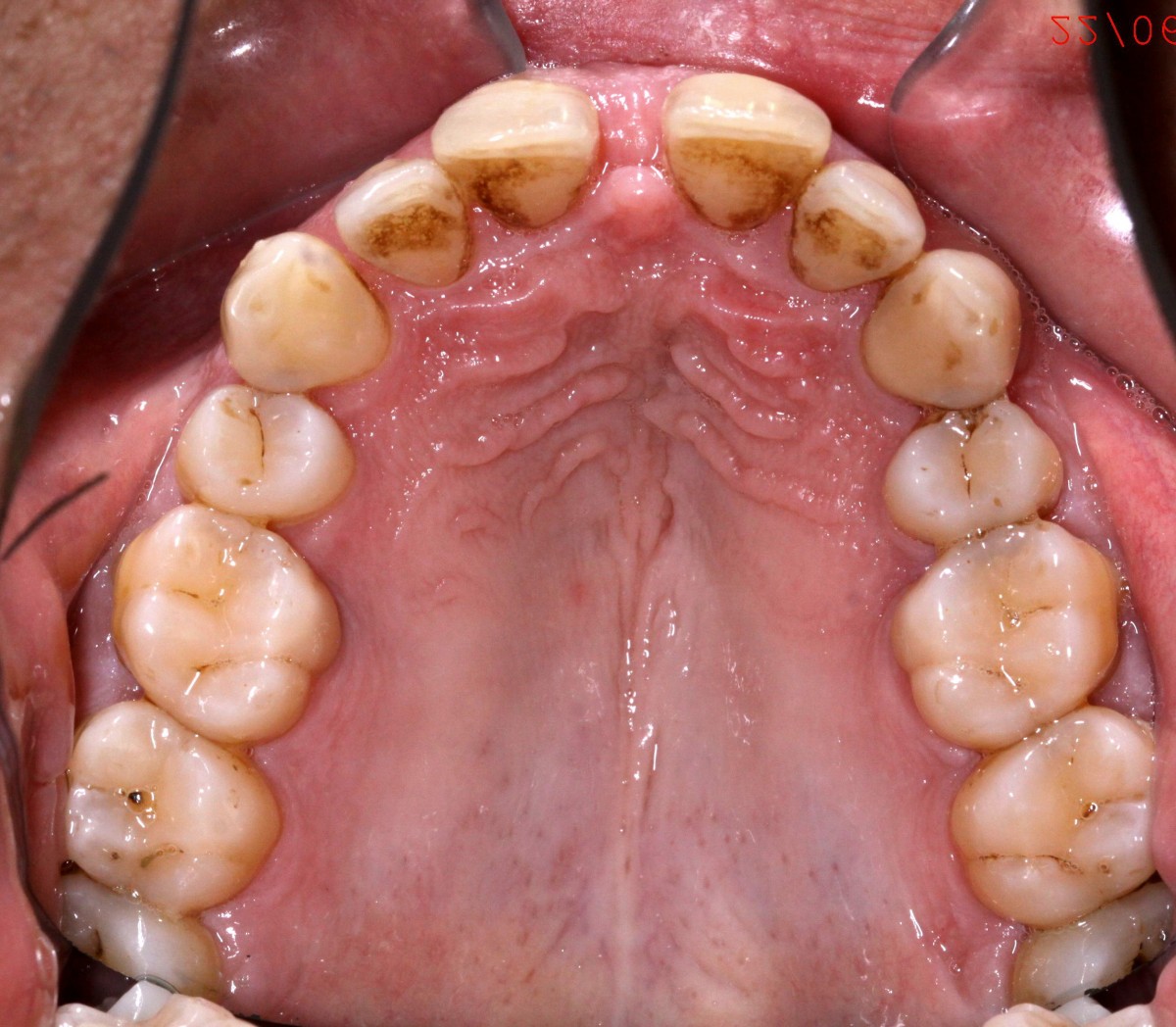
Patient had gone through pre- vious orthodontic treatment
with extraction of upper first premolars (#14, #24). Space between #11-#21 is slowly opened during the years and space start to develop distally to the upper lateral incisors. Lower incisors are hitting traumatically the palate creat- ing proliferation of the epithe- lium and constant inflamma- tion. Lower anterior crowding is around 4.5 mm (#33-#43) (figs. 7, 8).
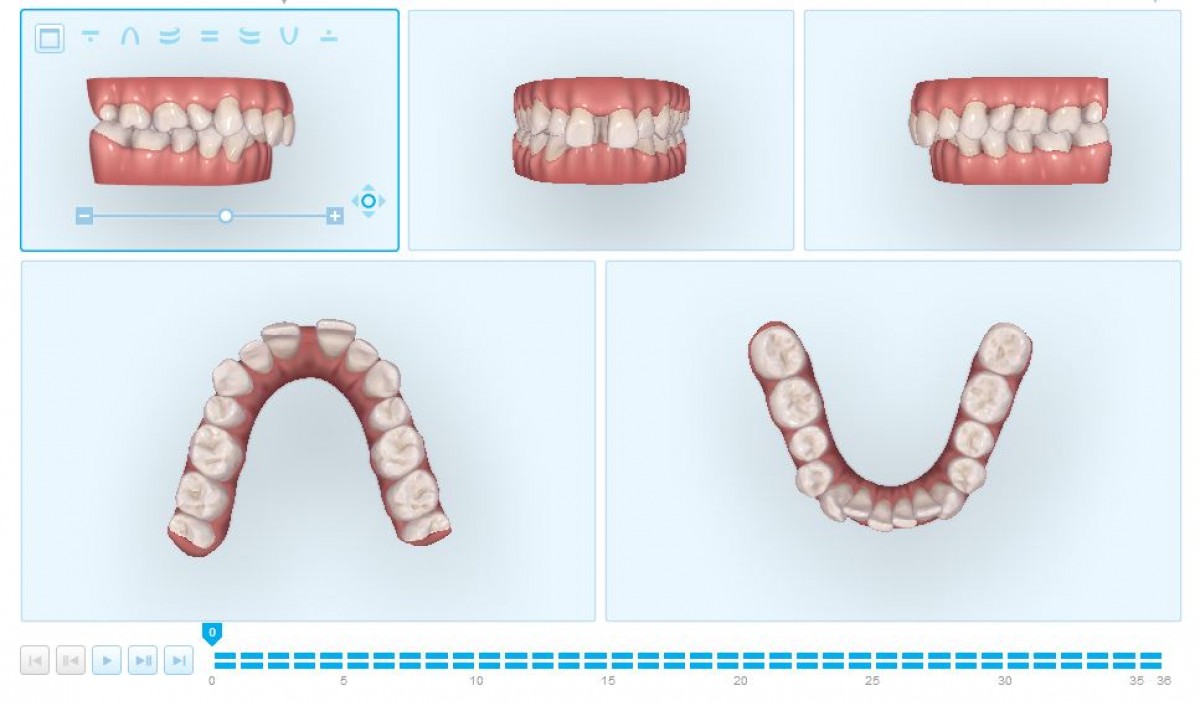
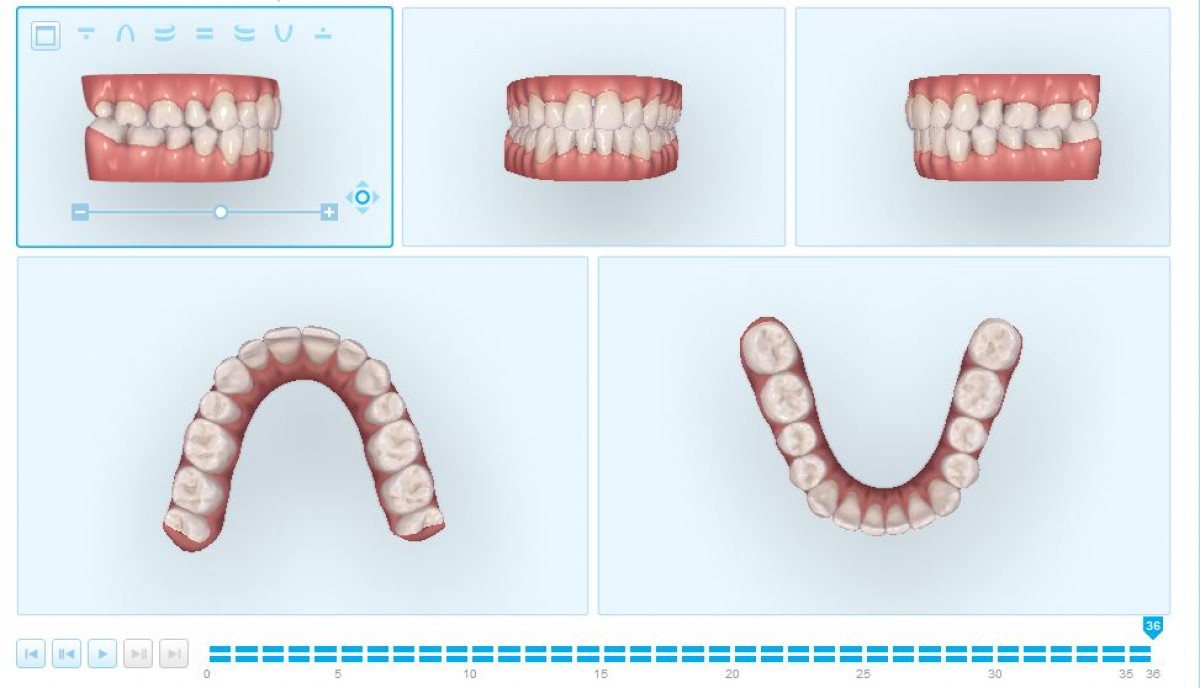
Treatment was planned with Clincheck® Software of Invis- align® (Milano, Italia). 36 aligners were prescribed for 40 weeks (9 months). Patient was monitored every 2 months with photos, oral hygiene mechani- cal cleaning and periodontic examination.
Lower teeth were proclined, upper and lower arches were slightly expanded and upper and lower anterior teeth were intruded to help opening the bite (fig. 9).
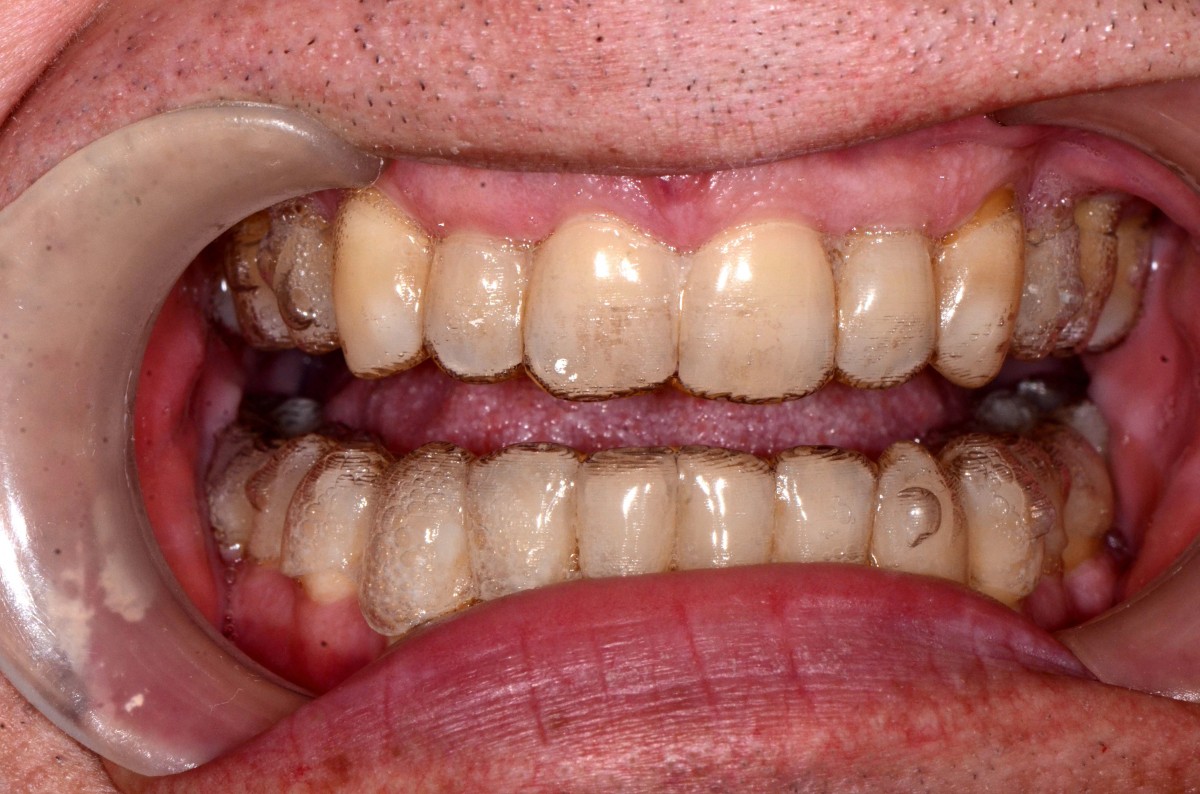
In this figure, patient during the Invisalign treatment. Note the perfect fit of the aligners due to correct planning and imple- mentation of biomechanics rules together with very com- pliant patient (figs. 10, 11).
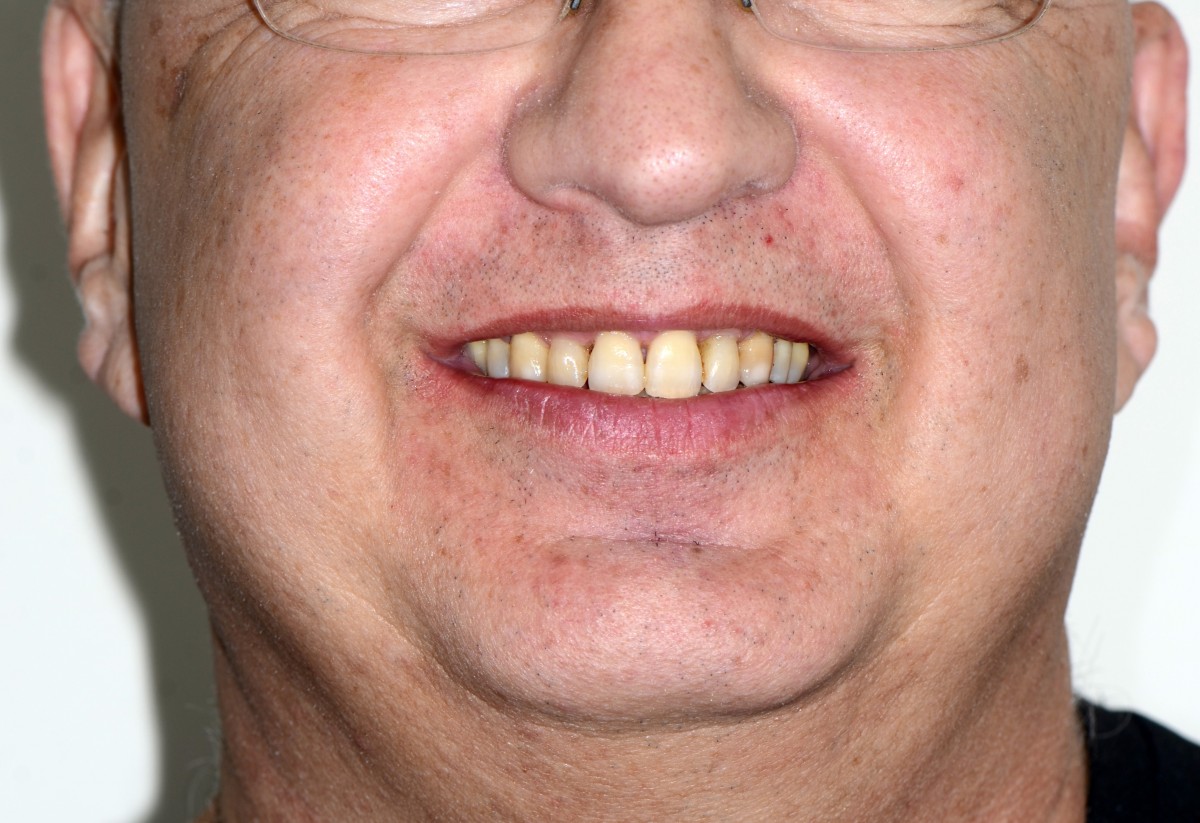
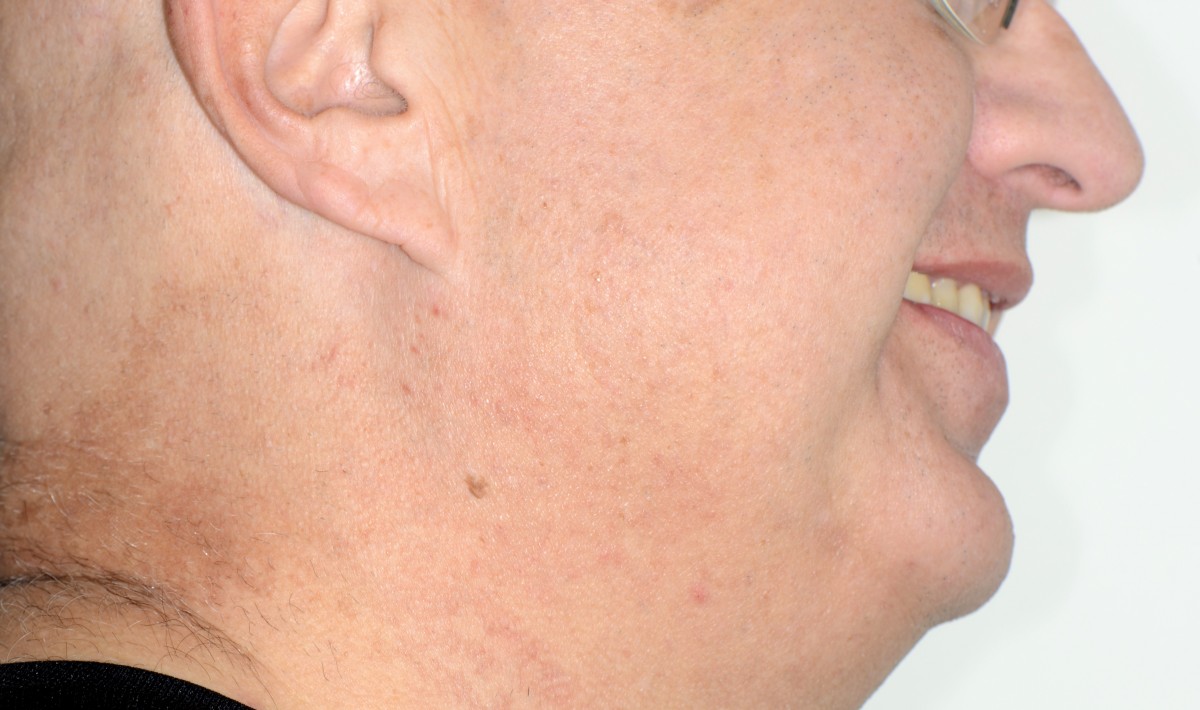
It is not every case that we con- sider a “life change”... this treatment for this patient was so important and the change we have achieved in his smile, function and aesthetics is dra- matic not to speak on the fact that we have probably saved his teeth from further destraction (figs. 12-16).
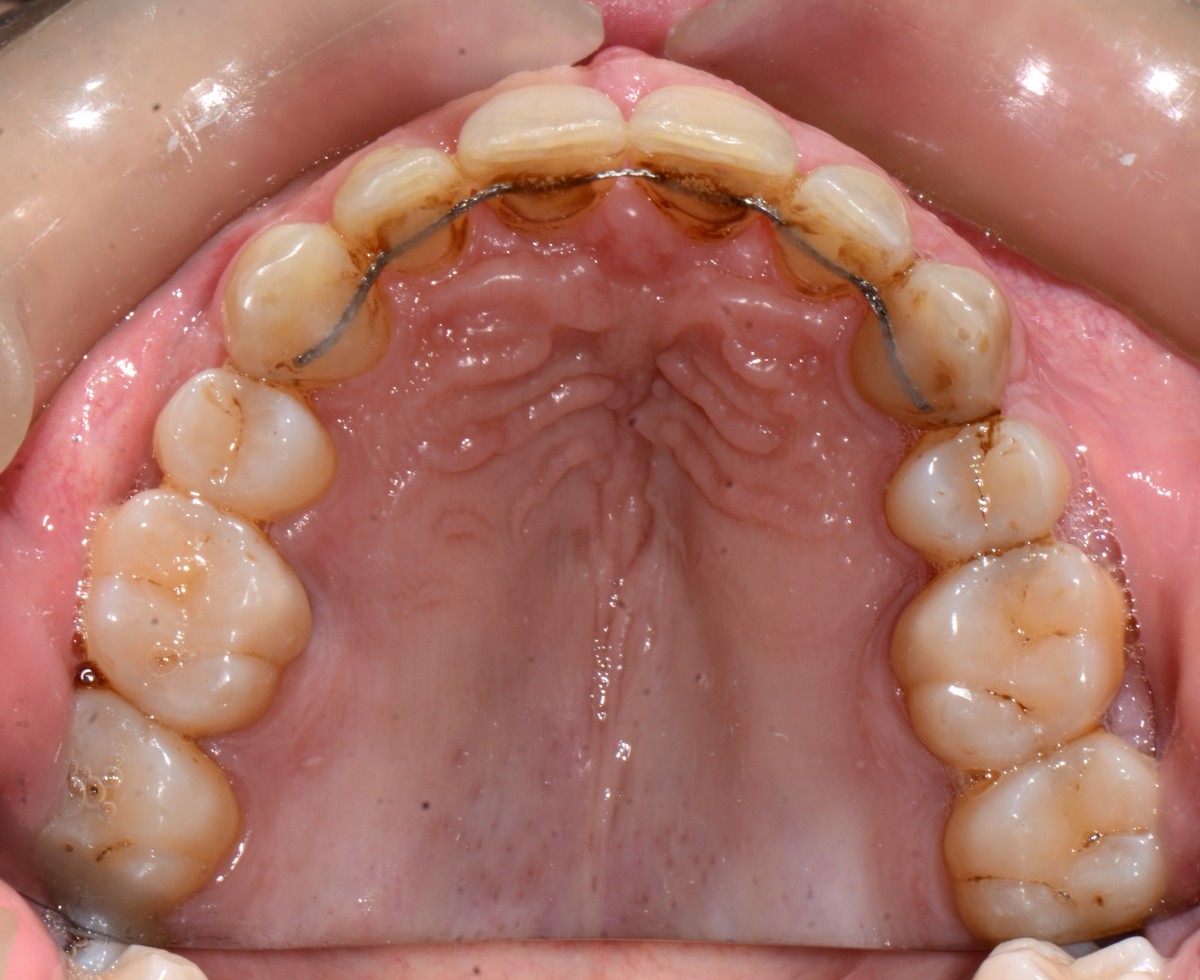
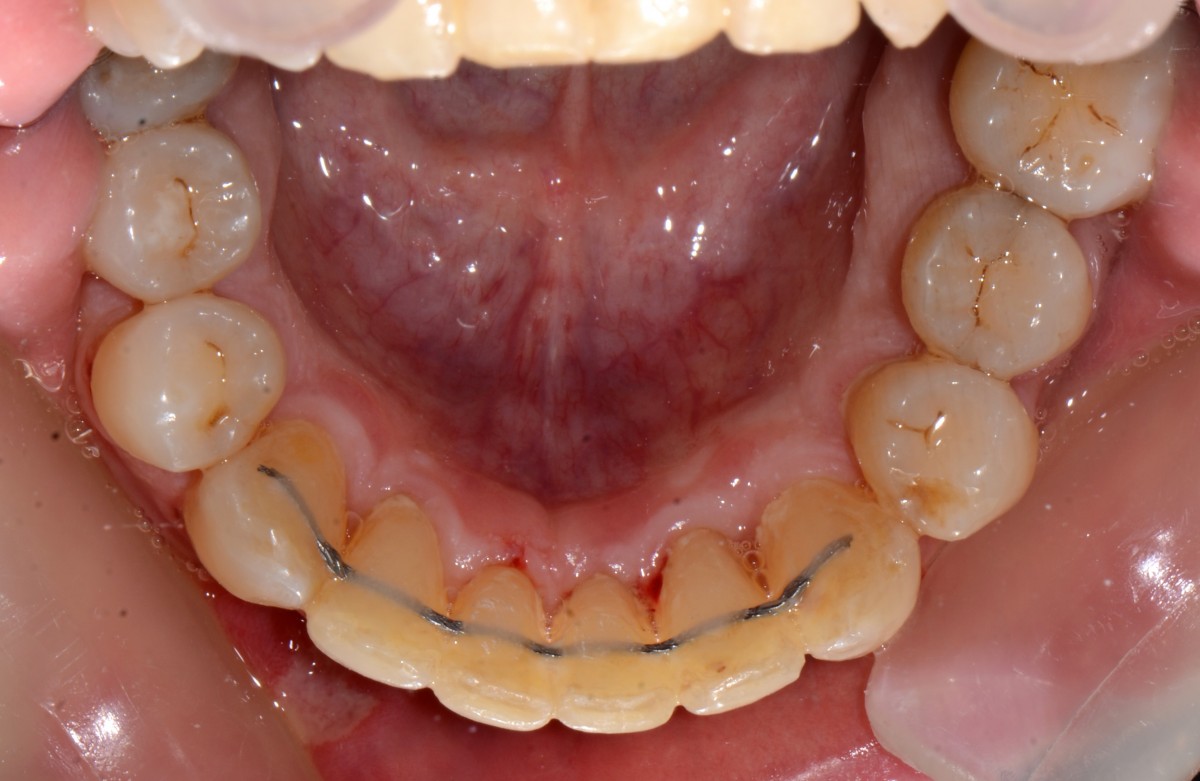

All treatments’ goals were achieved in very short time and with maximum aesthetics during the treatment with his clear aligners providing him perfect cleaning access with predictable and accurate technology. Patient received fixed retain- ers for anterior teeth and re- movable clear aligners for night wear (figs. 17, 18).
FINAL CONSIDERATIONS
In summary, careful treatment planning, with advanced ac- curate and predictable 3D clear aligners’ technology en- able us to bring this complex case into completion in less than 9 months.
 Tag
Tag
Related articles
Editorials 27 September 2026
Dentistry33 survey highlights replacement care, deep caries and evolving restorative workflows
Reader survey finds direct composites remain dominant, secondary caries is the leading reason for restoration replacement, and clinicians want more training in pulp preservation
Reader survey finds direct composites remain dominant, secondary caries is the leading reason for restoration replacement, and clinicians want more training in pulp preservation
Editorials 20 September 2026
Dentistry33 survey shows small practices balancing growth, costs and technology modernization
Reader survey finds solo and small practices remain prominent while staffing, rising costs and digital adoption shape business priorities
Reader survey finds solo and small practices remain prominent while staffing, rising costs and digital adoption shape business priorities
Digital Dentistry 20 April 2026
To report a fully digital and guided immediate-load All-on-4 protocol conducted in Brazil on a 59-year-old male patient with an edentulous maxilla and a history of oropharyngeal cancer surgery,...
Digital Dentistry 03 April 2026
The purpose of this review is to provide the readers with current information and state-of-the-art of digital scanning systems within the orthodontics.
Digital Dentistry 16 February 2026
An original procedure for the ovoid pontic technique in ortho-restorative cases

In the multidisciplinary treatments, especially in case of missing teeth in aesthetic area, the compliance of patient during retention time post orthodontic therapy is evidently very high, even among...
Read more
Products 14 October 2026
Royal Philips (NYSE: PHG, AEX: PHIA) announced that the Philips Sonicare Next-Generation DiamondClean 9900 Prestige, its most advanced and intelligent toothbrush to date, is now av

Key transaction by Heartland Dental and its supported practices expands opportunities for supported doctors, teams, and practices while strengthening Heartland Dental’s supported f
News 14 October 2026
Henry Schein Cares Celebrates 25 Years of Corporate Citizenship
Henry Schein Cares, Henry Schein, Inc.’s global corporate citizenship program, is celebrating a quarter century of bringing together Team Schein Members, customers, supplier partne
Editorials 14 October 2026
Scholarship at the CU Anschutz School of Dental Medicine reflects the collective contributions of our faculty, staff, residents and students.
Oral Hygiene & Prevention 14 October 2026
Propolis-containing formulations in caries prevention - a systematic review and meta-analysis.
This peer-reviewed oral hygiene & prevention article summarizes clinical evidence from Clinical oral investigations (2026). It focuses on findings that may help dental professionals evaluate...


Copyright © 2026 - All Rights Reserved
ISSN 2767-1178