


Rapid Prototyping Technologies and their Applications in Prosthodontics, a Review of Literature
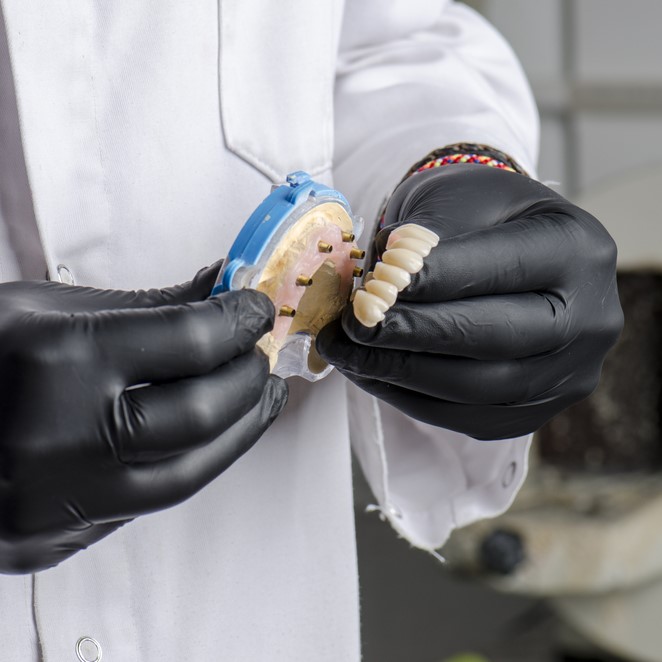
The early computer-aided design/computer-aided manufacturing (CAD/CAM) systems were relied exclusively on subtractive methods. In recent years, additive methods by employing rapid prototyping (RP) have progressed rapidly in various fields of dentistry as they have the potential to overcome known drawbacks of subtractive techniques such as fit problems.
RP techniques have been exploited to build complex 3D models in medicine since the 1990s. RP has recently proposed successful applications in various dental fields, such as fabrication of implant surgical guides, frameworks for fixed and removable partial dentures, wax patterns for the dental prosthesis, zirconia prosthesis and molds for metal castings, and maxillofacial prosthesis and finally, complete dentures. This paper aimed to offer a comprehensive literature review of various RP methods, particularly in dentistry, that are expected to bring many improvements to the field.
A search was made through MEDLINE database and Google scholar search engine. The keywords; ‘rapid prototyping’ and ‘dentistry’ were searched in title/abstract of publications; limited to 2003 to 2013, concerning past decade. The inclusion criterion was the technical researches that predominately included laboratory procedures. The exclusion criterion was meticulous clinical and excessive technical procedures. A total of 106 articles were retrieved, recited by authors and only 50 met the specified inclusion criteria for this review. Selected articles had used rapid prototyping techniques in various fields in dentistry through different techniques.
This review depicted the different laboratory procedures employed in this method and confirmed that RP technique have been substantially feasible in dentistry. With advancement in various RP systems, it is possible to benefit from this technique in different dental practices, particularly in implementing dental prostheses for different applications.
Authors: Kianoosh Torabi, Ehsan Farjood, Shahram Hamedani
Source: https://pmc.ncbi.nlm.nih.gov/
 Related articles
Oral surgery 27 April 2026
Over the last few years, translational applications of so-called artificial intelligence in the field of medicine have garnered a significant amount of interest.

This manuscript describes strategies for assessment of precision of several diagnostic artificial intelligence (AI) tools in orthodontics

Digital Dentistry 22 October 2025
Artificial intelligence in dentistry: Exploring emerging applications and future prospects

This narrative review aimed to explore the evolution and advancements of artificial intelligence technologies, highlighting their transformative impact on healthcare, education, and specific aspects...
Restorative dentistry 01 July 2025
Advances in CAD/CAM Technology for Chairside Restorative Dentistry: A Workflow Analysis
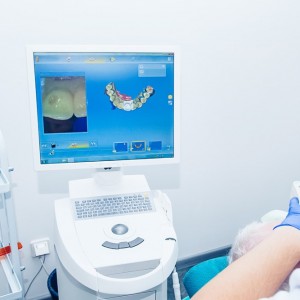
Chairside CAD/CAM technology has revolutionized restorative dentistry, offering streamlined workflows and improved patient outcomes.
Read more
Europe 27 September 2026 - 30 November -0001
Digital Dentistry Society Global Congress 2026: Event Preview and Professional Highlights

The Digital Dentistry Society Global Congress 2026 will take place from October 22, 2026 to October 24, 2026 in TBD, Rotating Europe, offering dental professionals a focused environment for...
Editorials 27 September 2026
Dentistry33 survey highlights replacement care, deep caries and evolving restorative workflows
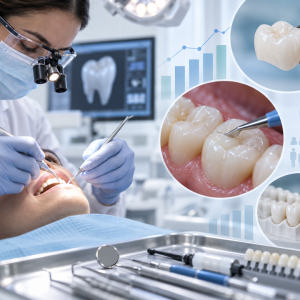
Reader survey finds direct composites remain dominant, secondary caries is the leading reason for restoration replacement, and clinicians want more training in pulp preservation
Reader survey finds direct composites remain dominant, secondary caries is the leading reason for restoration replacement, and clinicians want more training in pulp preservation
Edra Professional Books 26 September 2026
Manual of oral surgery: A Practical Reference for Dental Professionals
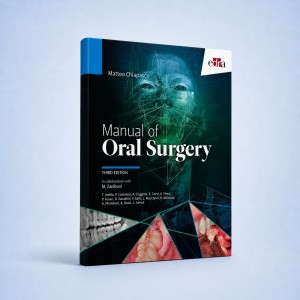
Manual of oral surgery is an Edra professional dentistry reference focused on clinical practice, education and treatment planning.
Products 25 September 2026
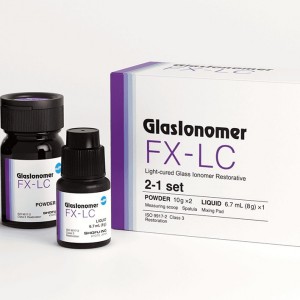
Shofu Dental’s line of dental restorative materials now includes FX-LC, a next-generation, light-cure, resin-reinforced glass ionomer formulated to deliver high strength, efficient 4
News 25 September 2026

The scholarships are part of an ongoing workforce solutions strategy to help address the need for skilled dental hygienists


Copyright © 2026 - All Rights Reserved
ISSN 2767-1178