


Accuracy of interdental cavity measurements performed on digital radiographs
from Dental Cadmos

Objectives: The aim of the present study was to evaluate the accuracy of linear radiographic measurements (taken on radiographs obtained with three different systems - analogic; photo-stimulable phosphor plate, PSP; and charge-coupled devices, CCD) of artificial interdental cavities.
Materials and methods: For the study, 9 posterior teeth extracted for periodontal reasons with intact crown and roots were used. Each tooth was mounted in a plaster support. At the mesial and distal aspect of each crown, two artificial cavities (one on each side) were made using cylindrical burs of different diameters, which were mounted on a calibrated milling machine. The study was conducted on a total of 18 artificial interdental cavities. For each tooth, radiographs were then taken with each of the following radiographic systems: analogic, PSP, and CCD. Two radiographs were taken with each system: one with the interposition of plexiglass between the X-ray tube and the radiographic device to simulate the presence of perioral soft tissues, the second without the interposition of plexiglass. Analogic radiographs were digitized. Each digitized analogic image as well as each radiographic image obtained with either PSP or CCD systems was calibrated. On each image, a calibrated and blind operator measured the apico-coronal (height) and mesio-distal (depth) dimensions of each cavity.
Results: The study showed that: (i) linear measurements of artificial interdental cavities of known size performed on radiographs taken with the three investigated systems are characterized by low average errors (within 0.3 mm); (ii) the magnitude of the variability of these errors may be clinically relevant, exceeding 0.5 mm and, therefore, representing a relevant aspect in identifying the most accurate system; (iii) CCD system is characterized by a non-significant tendency to show higher accuracy than the other two systems.
Conclusions: Similar accuracy was observed for linear measurements of artificial interdental cavities performed on radiographs taken with the three investigated systems (analogic, PSP, CCD).
Authors include: Francesco Malaguti, Veronica Chinellato, Jessica Miola, Alberto Borella, Roberto Farina
 Related articles
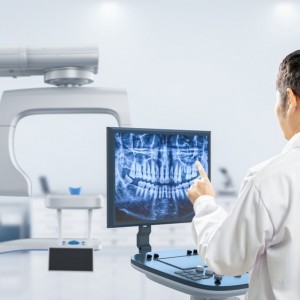
Digital radiographic imaging systems have undergone tremendous improvements since their introduction.
Orthodontics 08 October 2025
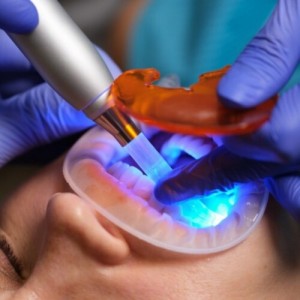
The field of orthodontics in its new era is venturing ahead to more up-to-date technological point of view.

A new dual-cured resin sealer has recently been proposed as an innovative endodontic filling material.
Editorials 24 July 2025
Pitt Dental Medicine Awarded Innovation Grant in Education Award for AI-Powered Radiograph Education
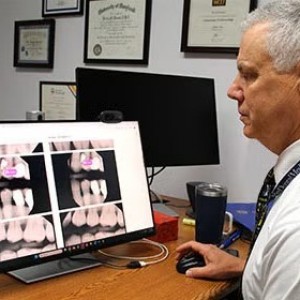
The University of Pittsburgh School of Dental Medicine Department of Restorative Dentistry and Comprehensive Care has been named the recipient of a 2025–2026 Innovation in Education Award
Restorative dentistry 30 May 2025
This clinical study was undertaken to evaluate the use of tissue-engineered bone, mesenchymal stem cells, platelet-rich plasma, and beta-tricalcium phosphate
Read more
Products 15 October 2026
The belief in the healing power of light goes all the way back to ancient Egypt and the worship of Rah, the sun god.

Nearly half the world’s population is affected by oral disease—and the number of cases is rising.
News 15 October 2026

New office at 3170 R Street adds walk-in availability and same-day care options in a region where dental providers are in short supply

Each year, the University of Colorado Anschutz School of Dental Medicine (SDM) Excellence Awards recognize individuals whose dedication, leadership and innovation strengthen our mi
Oral surgery 15 October 2026
This peer-reviewed oral surgery article summarizes clinical evidence from International journal of oral and maxillofacial surgery (2026). It focuses on findings that may help dental professionals...



Copyright © 2026 - All Rights Reserved
ISSN 2767-1178