


Columbia U: First of its kind PhD program combines engineering, dental medicine
By Allison Elliott, Columbia University

Despite significant advances made in biomedical research over the past decades, the field of dentistry has suffered from a shortage of dental scientists who can readily translate these advances to improve patient care.
To meet this growing demand and train up the next generation of leaders in dental science, Columbia University announced in late 2022 a new dual degree program at the intersection of engineering and dentistry. Set to welcome its first cohort in Fall 2023, the Doctor of Dental Surgery/Doctor of Philosophy in Biomedical Engineering (DDS/PhD) dual degree program is the first of its kind and will be offered by Columbia Engineering and the College of Dental Medicine at Columbia University.
With the support of faculty from the Department of Biomedical Engineering, Helen Lu, Percy K. and Vida L.W. Hudson Professor of Biomedical Engineering and Professor of Dental and Craniofacial engineering, helped to develop the program with leadership from the Columbia University College of Dental Medicine, including Dean Christian S. Stohler and Dr. Sunil Wadhwa, Leuman M. Waugh DDS Associate Professor of Orthodontics.
According to a university news story, Wadhwa sees the offering as a logical step toward addressing current challenges in dental care.
“The negative impact of oral health diseases has not improved in the past 30 years,” he said. “We need more dental scientists who can adapt and translate basic science findings into dental health care applications.”
Combining engineering and dentistry has already led to significant innovations. Digital dentistry such as intra-oral scanning, CAD-CAM, and 3D printing, has almost replaced dental impressions sent to dental laboratories for the construction of dental appliances and restorations, and AI and Big Data have begun to show promise in the diagnosis and prognosis of oral diseases.
Lu, who is also senior vice dean for faculty affairs and advancement at Columbia Engineering, believes the program will help practitioners make the most of the synergies between dentistry and engineering and enable novel approaches for treating and understanding oral diseases.
“With a program such as this, we are meeting a real need for education and research that can lead to breakthroughs in the practice of dentistry,” she said. “An education program that combines the latest technologies and scientific findings will equip the next generation of practitioners to be true pioneers in dental medicine.”
Open to a select group of Columbia dental students, candidates for the program will have an undergraduate degree in engineering and the necessary prerequisites to enter the DDS program. Similar to the long-standing and highly successful MD/PhD program at Columbia, these dual degree trainees will earn both a DDS and PhD, entering the Biomedical Engineering PhD program as a doctoral student.
“This partnership signals the next exciting phase of collaboration between engineering, the dental school, and the medical field,” said Columbia Engineering Dean Shih-Fu Chang. “We look forward to seeing new talent and transformative breakthroughs made possible by this unique program."
Each DDS-PhD student will participate in a clinical tutorial program during the entire research portion of their PhD program as persistent clinical exposure has proven to be effective in keeping students well prepared for clinical competence, especially in dentistry. Students also have exposure to clinical specialties and mentors and dental scientist role models to guide their future career choices.
“We have a long history of dental research and a culture of collaboration with other schools at Columbia," said Stohler. "Our dental students are excited about the infusion of new talent and opportunities into our learning environment."
 Related articles
Oral Hygiene & Prevention 23 September 2023
UNC, U Penn community-based study offers dental disease insights

By UNC Adams School of Dentistry News
Their findings, reported in Nature Communications, showed that dental caries in childhood are characterized by an imbalance in the oral microbiome, and that previously unrecognized bacterial...

Engineers at the University of Cincinnati have developed a new device that can warn consumers about early risks of tooth decay from diseases such as gingivitis and periodontitis.
News 08 September 2023

The IU Board of Trustees approved the construction of the clinic, which is supported through a $2 million grant from the Delta Dental Foundation. Construction is slated to begin in mid-2024.
News 06 September 2023

At the Association of Dental Education in Europe’s annual meeting on Aug. 25, the organization – with the European Dental Students’ Association and Henry Schein – announced the winners of the...

By Caleb Vierkant
The Health Professional Scholarship Program is meant to help students focus on getting through dental school without having to worry about student debt.
Read more
Products 15 October 2026
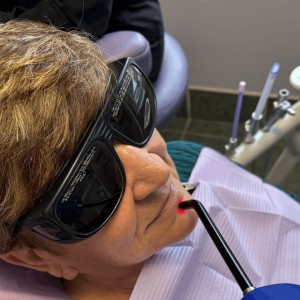
The belief in the healing power of light goes all the way back to ancient Egypt and the worship of Rah, the sun god.
Nearly half the world’s population is affected by oral disease—and the number of cases is rising.
News 15 October 2026

New office at 3170 R Street adds walk-in availability and same-day care options in a region where dental providers are in short supply
Each year, the University of Colorado Anschutz School of Dental Medicine (SDM) Excellence Awards recognize individuals whose dedication, leadership and innovation strengthen our mi
Oral surgery 15 October 2026
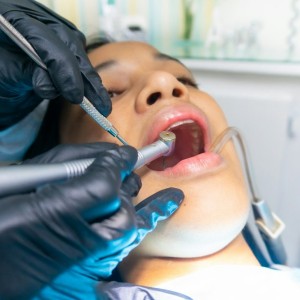
This peer-reviewed oral surgery article summarizes clinical evidence from International journal of oral and maxillofacial surgery (2026). It focuses on findings that may help dental professionals...



Copyright © 2026 - All Rights Reserved
ISSN 2767-1178