


ADASRI researchers find differences in zirconia strength among dental laboratories
By Mary Beth Versaci, ADA News

Zirconia ordered from different dental laboratories varied widely in strength when evaluated by scientists from the American Dental Association Science & Research Institute.
In “Survey of the Mechanical and Physical Behaviors of Yttria-Stabilized Zirconia From Multiple Dental Laboratories” — a study published earlier this year in JADA Foundational Science — ADASRI researchers tested the mechanical and physical properties of 32 zirconia specimens intended for either high-strength posterior or high-translucency anterior applications. The specimens came from nine laboratories.
Because of the wide range of strength exhibited by the specimens, the scientists analyzed their composition, finding a mixed use of 3 mol% and 5 mol% yttria, which is a common oxide stabilizer used in dental zirconia. Typically, 3 mol% yttria is added to stabilize zirconia at room temperature, resulting in high strength and toughness. Increasing yttria increases translucency but decreases strength.
“In general, high-strength applications require zirconia with 3 mol% yttria,” said Spiro Megremis, Ph.D., director of dental materials and devices research at ADASRI and corresponding author of the study. “By increasing the yttria content to 5 mol% to increase the translucency of the material, the average strength is typically reduced by over 40%. This means that the zirconia materials marketed as ‘high-translucency’ materials are on average 40% weaker than the ‘high-strength’ zirconia materials that many dentists have used in the past.”
Some laboratories provided zirconia with 5 mol% yttria for posterior applications, although this material is generally used for anterior applications, except for single-unit posterior prostheses.
“I think the paper exemplifies the fact that all zirconia is not the same, and it is important that dentists have good communication with their dental laboratory to make sure that they are using the right type of dental zirconia for the intended application,” Megremis said.
To read this and other studies published by JADA Foundational Science, go to jadafs.ADA.org. To learn more about ADASRI and its research, visit ADA.org/sri.
Read the original story on the ADA News site.
 Related articles
Products 24 July 2026
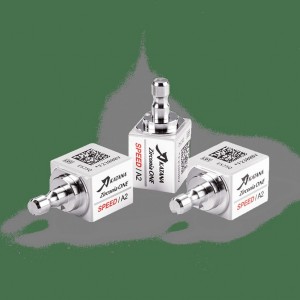
Expanded shade range supports fast, esthetic chairside zirconia restorations with 9-minute sintering when used with CEREC ® SpeedFire
Products 07 July 2026
Expanded shade range supports fast, esthetic chairside zirconia restorations with 9-minute sintering when used with CEREC ® SpeedFire
News 24 February 2026
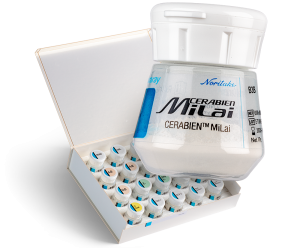
Low-Fusing Porcelain System Delivers Predictable Esthetics with Streamlined Micro-Layering

The purpose of this narrative review is to organize information and knowledge about the properties of the clinical evidence of zirconia-applied dental restorations and to provide relevant information...

Kuraray Noritake Dental Inc., a global leader in dental material innovation, today launched KATANA Zirconia ONE For IMPLANT at Dentsply Sirona World (DS World).
Read more
Products 22 September 2026
News 22 September 2026
New FlexPayments features help Open Dental practices convert more diagnosed treatment into scheduled care and automatically recover credit card processing fees they’ve been absorbi
News 22 September 2026
The Accreditation Association for Ambulatory Health Care (AAAHC) has accredited Momenta Oral & Maxillofacial Surgery, a full-scope oral and maxillofacial surgery (OMS) practice wit
Editorials 22 September 2026
Tooth travelers: Students sharpen their skills on dental mission trips over the summer breaks
A busy dental student scheduled to graduate next May, few would fault Mackenzie “Kenzie” Bankes for heading to Jamaica for a few lazy days to enjoy sandy beaches and misty mountain
Oral pathology 22 September 2026
This peer-reviewed oral pathology article summarizes clinical evidence from Oral oncology (2026). It focuses on findings that may help dental professionals evaluate treatment decisions, patient...


Copyright © 2026 - All Rights Reserved
ISSN 2767-1178