


Predictive Abilities
Author: Prof. Luca Pani

The Blind Spot, a section of Dentistry33 magazine, described from a few years ago, how one of the next innovations of digital health will be the technology of wearable sensors and mobile devices to provide essential information in areas of interest, completely different from those for which they were designed for.
In January, an interesting manuscript demonstrated how the resting heart rate and historical sleep time data collected by a Fitbit bracelet could accurately provide insights on the flu season in the general population well in advance. The flu kills around 650,000 people each year in the world; predominantly the risk categories include children under four years and adults older than sixty-five. Despite this, the vaccination is carried out with fatigue and with much lower percentages than recommended ones. One way in attempting to reduce the consequences of flu and para-flu syndromes is to anticipate the emergence of a new outbreak by at least a week or two by means of sentinel systems such as that of general doctors and pediatricians.
Another way is with digital methods that use information from tens of millions of data to overcome the need to certify them individually, which also pose problems of privacy. Previous studies have used Google Flu Trends and Twitter algorithms, which are valuable however this data tends to overestimate the number of patients especially at the time of the affected peak. Due to the fact that many of us search for words such as fever, flu, viruses, or colds without really being sick or even getting sick in that particular season affect the data.
This excess of digital reporting forces the institutions responsible, to check the veracity of the data before declaring, for example, the severity of the epidemic and the speed of its territorial spread. In the United States, at present, the delay with which the numbers on the emergency of a flu epidemic reach the Center for Disease Control (CDC) take at least two weeks and the subsequent review and confirmation of the data can take just as long to process. These are unacceptable times for healthcare organizations that need to be efficient.
The work published by the Scripps Institute for Translational Research has used over 13 million unique data from around 48,000 Fitbit worn by volunteers, which resulted in a better correlation (+33%) with the data of the CDC and showed concordance values for five American states from an impressive 0.84 (New York) to an extraordinary 0.97 (California). It should be noted that both the increase in heart rate and sleep time were representative of what was really happening in the week when the individual presented the first symptoms and became ill with the flu, but the FitBit technology is not able to predict is going to happen in the following week. In other words, these devices fail, at least for the moment, to understand when a person is going to get sick by suggesting that the organism remains "in balance" until the infection becomes systemic and prevails.
The data, however, are informative about "seeing" how the epidemic is moving, from the first outbreaks to the subsequent ones, which is certainly of great use for prevention and aiding the avoidance of the most serious consequences of the flu. To fully understand the meaning of research and great potential of such a technology, just think that scholars started with over 200,000 Fitbit users with over 60 million measurements of heart rates and sleep periods, and then built a database as homogeneous as possible to arrive at the correlations described. In times of Coronavirus that travel the world without apparent control, this is an additional possibility and could be very useful, for those who deal with health policies on a global scale.
 Related articles
Editorials 22 April 2024

If there were an indicator for change in music, this would be off the charts if it wanted to measure how many and what changes Miles Davis has made since, at eighteen, he was enlisted, almost by...
Editorials 10 October 2023

Research is an endless quest. That’s why it has always fascinated Georgios Kotsakis. The moment he figures out an answer, he feels a new question he needs to creatively tackle pops up.
Editorials 31 December 2021

Dear readers,The approach of New Year is usually a festive period and, for some of us, an occasion to look back and sum up our impressions of the year that we are about to leave behind. We can...
Editorials 08 October 2021
Dear Dentistry33 readers,After a long period without the possibility of meeting collogues and friend in person, I am finally pleased to present you the 22nd Annual Congress organized by the Italian...
Editorials 04 August 2021

It has been approximately one and a half year since the Covid-19 pandemic changed the course of the world and influenced the lifestyle of many people, regardless of their background and profession....
Read more
Products 20 October 2026

News 20 October 2026

In recognition of National Dental Hygiene Month, Delta Dental highlights key findings from its 2026 State of America’s Oral Health and Wellness Report , a nationwide analysis of co
News 20 October 2026
Abra Health Group has launched The Dental Bank, a new community impact initiative designed to make essential oral health resources more accessible to individuals and families throu
Editorials 20 October 2026
Woman’s skull likely proof of ancient nose amputation, says College of Dentistry professor
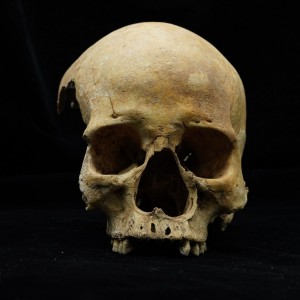
Qian Wang, professor in biomedical sciences at Texas A&M College of Dentistry in Dallas, identified what he and other researchers believe is likely one of the first examples of an
Endodontics 20 October 2026
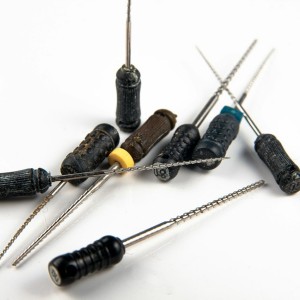
This peer-reviewed endodontics article summarizes clinical evidence from Clinical oral investigations (2026). It focuses on findings that may help dental professionals evaluate treatment decisions,...



Copyright © 2026 - All Rights Reserved
ISSN 2767-1178