


Longevity, The art of knowing how to age
Author: Luigi Campopiano

In the year of accelerated innovation, industry 4.0, the small technological revolution in everyone's homes, the triumph of the internet and video calls, e-commerce, and the vaccine developed in six months, a large part of the world government is entrusted to people born "geological eras" ago. While strategists from all sectors publish papers on how to win over young people, the world is heading towards a "longevity economy": an economy that is represented and at the service of an increasingly mature world population. The generation of baby boomers is the one that has lived and has been able to adapt to more eras, always remaining involved and co-protagonist and now also faces the longevity revolution.
Too bad that aging is considered by many to be a scourge of the world: aging has its contraindications, but also many positive and interesting traits (such as the sustainability of the planet). The lengthening of life produces very other changes for generations and individuals, such as individual productivity, which, in an extended life perspective, increases and not a little: Andrew Scott, professor of economics at the London School of Economics, in his book on the effects of aging (100 Years Life, Bloomsbury, 2016) states that the productive life of a person living to 100 years almost doubles that of someone living to 70. Also, living longer requires more resources, and this involves profound changes to the classic "life cycle" model studied by Modigliani in the 1950s (during active life, we move on consumption and saving cycle that sees a long accumulation phase; in retirement age, it follows a decumulation phase, to maintain their lifestyle). In the world of longevity, not only is the cycle of decumulation moved forward, but it is transformed into a series of staggered cycles of accumulation and partial decumulation. This greater complexity makes today's mature generations more sensitive to long-term thinking than younger generations (the sensitivity of the mature population towards future planning is often higher than that of the younger population). A medium to long-term thinking more widespread among the mature population also changes the classic paradigm of asset allocation, which should align itself with the alternating cycles of the new longevity, serving long-term needs (retirement), and investment/decumulation needs.
After all, longevity puts generations more in parallel, makes them share more land, and potentially makes the intergenerational exchange more fruitful (today, there are fewer cultural references between generations). This makes a closer interaction between generations advisable, even in managing family assets (any generational transitions can be thought of as medium-long term processes). It is appropriate to train children in managing family money while controlling the evolution of their skills and, at the same time, inducing families to new forms of intergenerational support. The gaze of planning begins to look beyond the children, towards the support of the grandchildren. It is a generational leap and a return to the construction and defense of a family heritage that transcends individual generations. Longevity takes us back to the ancient but in an extremely modern form.
 Related articles
Editorials 05 February 2026

The spirit of service and engagement at Adams School of Dentistry extends far beyond our walls, reaching out across the globe, establishing our school as a reliable partner for the world’s oral...
Restorative dentistry 28 February 2024
Longevity in Dental Restorations: Beyond the Role of Composite Materials
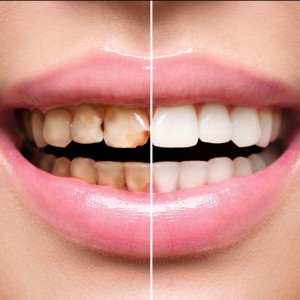
While it is commonly believed that the choice of restorative material significantly influences the longevity of direct restorations in cavities caused by caries, a systematic review by Demarco et al....
Prosthodontics 13 December 2023
Do direct and indirect reconstructions have the same clinical longevity?

Resin composite materials are commonly used to perform direct restorations. Improvements in their mechanical and esthetic properties have characterized the last decade. Nevertheless, resin composite...
Editorials 04 October 2023
Longevity of dental materials – what is it really about and what can we do about it?

Resin composite materials are the material of choice for restoring posterior and anterior cavities due to their proven good mechanical and esthetical characteristics.
Editorials 11 November 2022

If you have saved over the years while working, you may find that your savings must last longer than expected.
Read more
Europe 11 October 2026 - 30 November -0001
Scandinavian Dental Fair 2026: Event Preview and Professional Highlights
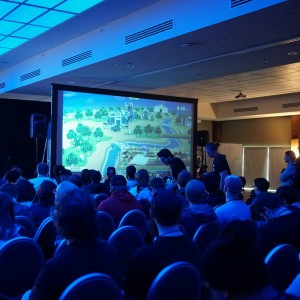
The Scandinavian Dental Fair 2026 will take place from November 11, 2026 to November 13, 2026 in TBD, Sweden/Denmark, offering dental professionals a focused environment for continuing education,...
Edra Professional Books 10 October 2026
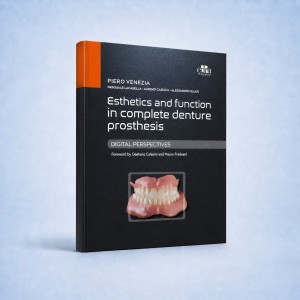
Esthetics and function in complete denture prosthesis is an Edra professional dentistry reference focused on clinical practice, education and treatment planning.
Products 09 October 2026

Oral-B and Crest, Official Oral Care Partners of the NFL, recently announced the launch of new special-edition products, giving fans even more ways to celebrate their love of the g
News 09 October 2026

Apex Dental Partners, a dental partnership organization supporting dentists and affiliated practices, has been named No.
News 09 October 2026
New education website and fully funded Swiss fellowship program debut at the 2026 Orthopaedic Trauma Association Annual Meeting in Nashville



Copyright © 2026 - All Rights Reserved
ISSN 2767-1178