


Research shows that the timing of antibiotics matters when treating gum disease
When treating severe gum disease, dentists often combine deep cleaning with antibiotics to eliminate harmful bacteria. However, whether those antibiotics should be given at the start of treatment or after cleaning is complete, has never been formally tested.
A new clinical trial led by researchers in the Feres Lab at the Harvard School of Dental Medicine (HSDM) is the first to directly compare the two approaches. The study, published in the Journal of Periodontology, found that both strategies produced strong clinical improvements, but patients who began antibiotics at the start of treatment experienced faster and more sustained shifts toward a healthier oral microbiome.
“For many years, clinicians have debated when antibiotics should be introduced during periodontal therapy, but there was little clinical evidence to guide that decision,” said Magda Feres, chair of the Department of Oral Medicine, Infection, and Immunity (OMII) and senior author of the study. “This study allowed us to directly compare the two strategies and better understand how they influence microbial recovery.”
Periodontitis, a severe form of gum disease, has been associated with conditions including cardiovascular disease, diabetes, and respiratory disease. The most effective treatment often includes a course of the antibiotics amoxicillin and metronidazole. While this combined approach is widely used, the timing of antibiotic administration has largely been left to clinician preference.
To investigate whether timing matters, researchers compared two treatment protocols: one in which patients began antibiotics on the first day of mechanical therapy, and another in which antibiotics were introduced only after the completion of cleaning, typically one to two weeks later. In addition to tracking clinical outcomes, the team analyzed changes in the oral microbiome over the course of a year.
Microbial analyses revealed an important difference in how the bacterial communities reorganized.
Patients who started antibiotics at the beginning of treatment showed faster shifts toward a healthier oral microbiome, with beneficial bacteria forming more stable networks and reduced influence from periodontal pathogens.
The findings were particularly notable because they ran counter to the researchers’ initial expectations.
“Initially, we thought that delaying antibiotics might improve drug access after the biofilm was disrupted,” said Eduardo de Souza Oliveira, lecturer in OMII and co-author of the study. “But what we observed was that starting antibiotics earlier seemed to help the microbial community recover faster, moving toward a healthier state.”
In patients who received antibiotics at the start of treatment, beneficial bacteria reorganized into a stable community that appeared less influenced by disease-associated organisms. In contrast, patients who began antibiotics later showed microbial networks in which beneficial bacteria remained more closely linked with periodontal pathogens.
Understanding these microbial dynamics is increasingly important as researchers explore connections between oral health and systemic disease.
“Improving microbial balance in the mouth may have broader implications than previously thought. Our lab has been exploring its connections to conditions such as colorectal cancer,” Feres said. “The oral-gut microbiome axis represents a direct biological pathway through which the mouth can influence disease in other parts of the body.”
Looking ahead, the research team plans to apply advanced molecular approaches to better understand how microbial communities function and interact with the host immune system.
“Ultimately, the goal is to move periodontal care toward a more precision-based model,” Oliveira said. “By integrating microbial and clinical data, we hope to better guide decisions about the timing and use of antibiotics for individual patients.”
Source: https://www.hsdm.harvard.edu/
 Related articles
Implantology 16 October 2026
This peer-reviewed implantology article summarizes clinical evidence from Clinical oral implants research (2026). It focuses on findings that may help dental professionals evaluate treatment...
Implantology 04 September 2026
This peer-reviewed implantology article summarizes clinical evidence from Clinical oral implants research (2026). It focuses on findings that may help dental professionals evaluate treatment...
Implantology 20 August 2026
This peer-reviewed implantology article summarizes clinical evidence from Clinical oral implants research (2026). It focuses on findings that may help dental professionals evaluate treatment...
Implantology 06 August 2026
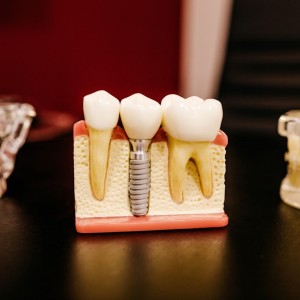
This peer-reviewed implantology article summarizes clinical evidence from Clinical oral implants research (2026). It focuses on findings that may help dental professionals evaluate treatment...
Implantology 24 July 2026
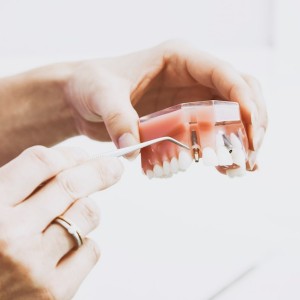
This peer-reviewed implantology article summarizes clinical evidence from Clinical oral implants research (2026). It focuses on findings that may help dental professionals evaluate treatment...
Read more
Products 20 October 2026
News 20 October 2026

In recognition of National Dental Hygiene Month, Delta Dental highlights key findings from its 2026 State of America’s Oral Health and Wellness Report , a nationwide analysis of co
News 20 October 2026
Abra Health Group has launched The Dental Bank, a new community impact initiative designed to make essential oral health resources more accessible to individuals and families throu
Editorials 20 October 2026
Woman’s skull likely proof of ancient nose amputation, says College of Dentistry professor

Qian Wang, professor in biomedical sciences at Texas A&M College of Dentistry in Dallas, identified what he and other researchers believe is likely one of the first examples of an
Endodontics 20 October 2026
This peer-reviewed endodontics article summarizes clinical evidence from Clinical oral investigations (2026). It focuses on findings that may help dental professionals evaluate treatment decisions,...



Copyright © 2026 - All Rights Reserved
ISSN 2767-1178