


ChatGPT: A disruptive innovation or disrupting innovation in academia?
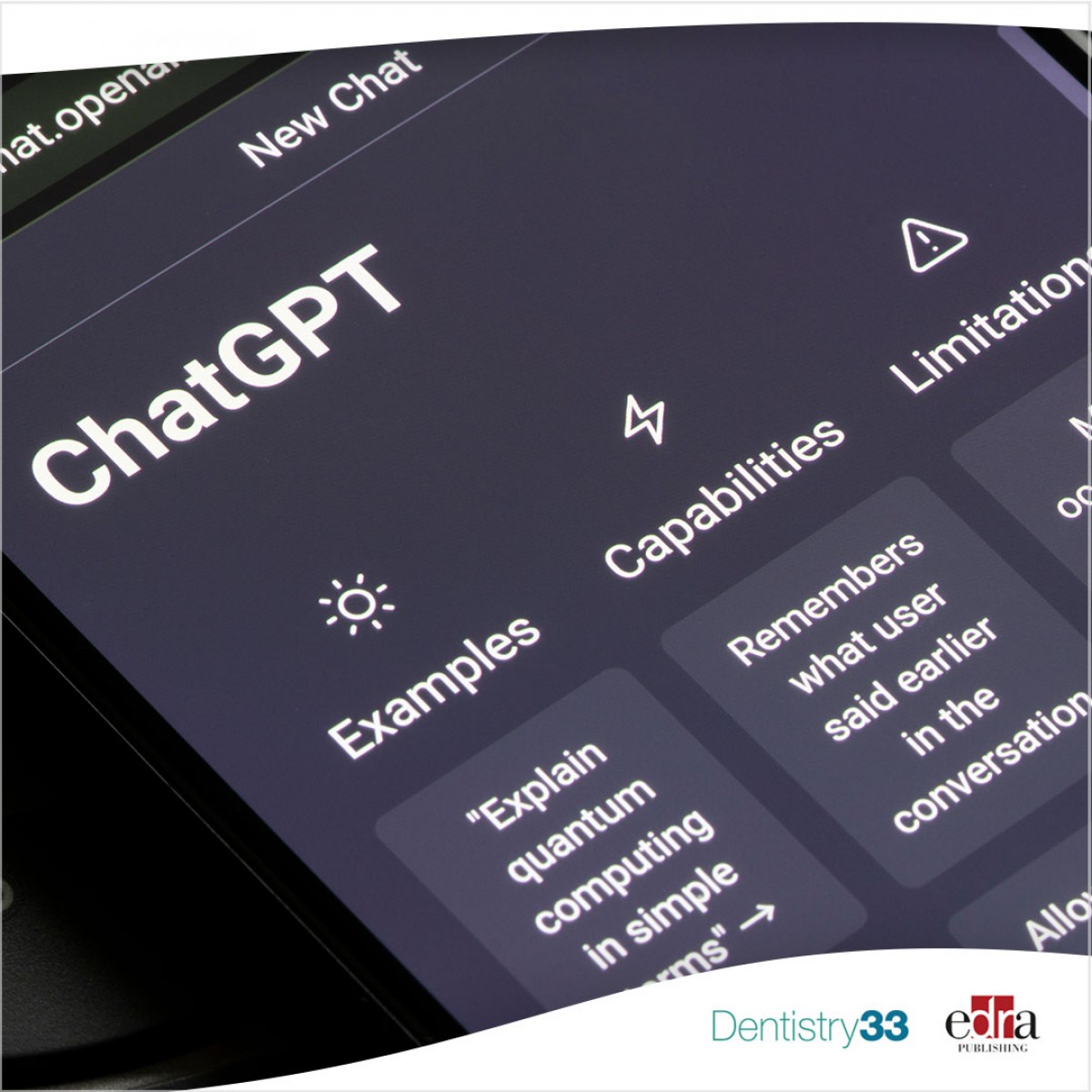
In an editorial published in March 2023 in the Journal of the American Dental Association, authors explore the use of Chat Generative Pre-trained Transformer (ChatGPT), a versatile software application introduced in November 2022. ChatGPT is based on a large language model that interacts in a conversational manner with users that has the ability to respond to follow-up queries. The software acknowledges errors, misinterpretations and miscalculations. It also challenges counterfactual, hypothetical or fictitious scenarios.
The authors wrote that in the short time since it was introduced, ChatGPT has even been a coauthor of at least one article indexed on PubMed and has written a full article almost completely on its own.
A contemplative researcher might debate between the originality, authenticity and plagiarizing in the content of a manuscript from ChatGPT. However, it is not known clearly whether commercial software like iThenticate (Turnitin) used by journals are (or will be) able to detect that based on the similarity score they generate. Nearly all journals require the submitting authors to confirm the originality of the submission. However, ChatGPT might redefine the boundaries between originality and phoniness. Another issue to ponder is related to the criteria of coauthorship, which is more objective and easily discernible.
The authors said that ChatGPT is a disruptive innovation because it upsets the norm for many scientific, academic, medical, dental, health and social standards regarding original work and the creation of manuscripts and documents. But, at the same time, it has the potential to disrupt the origination of innovation from human brains.
The future will bring the introduction of more players and competitors in the field of chatbots, such as Google’s Bard (based on Language Model for Dialogue Applications AI) and Microsoft products built on Bing and Edge. Beyond a doubt, ChatGPT is useful and saves human efforts, but with this there is an urgent need to revise the guidelines and recommendations used by academic journals, university committees and educational institutions on tolerance limits to set between ethical norms and academic misconduct.
Divesh Sardana, Timothy R. Fagan and John Timothy Wright. "ChatGPT: A disruptive innovation or disrupting innovation in academia?" JADA. 20 March 2023. DOI:https://doi.org/10.1016/j.adaj.2023.02.008.
 Related articles
News 25 November 2026
Align Technology to Present at Jefferies Healthcare Conference
(“Align”) (Nasdaq: ALGN), a leading global medical device company that designs, manufactures, and sells the Invisalign® System of clear aligners, iTero™ intraoral scanners, and exo
News 18 November 2026
Angelalign Technology Appoints Marco Gadola as Senior Advisor

(6699.HK) (“Angel”), a global clear aligner leader, recently announced that Marco Gadola has joined the company as Senior Advisor.
News 18 November 2026
(“Align”) (Nasdaq: ALGN), a leading global medical device company that designs, manufactures, and sells the Invisalign® System of clear aligners, iTero™ intraoral scanners, and exo
News 16 November 2026
(“Align”) (Nasdaq: ALGN), a leading global medical device company that designs, manufactures, and sells the Invisalign® System of clear aligners, iTero™ intraoral scanners, and exo
News 03 November 2026
Five-Year Pledge to the AAO Foundation Advances Research, Education, Mentorship, and Leadership to Help Shape the Future of Orthodontics
Read more

Five TeraHarz materials pass final review under the EU’s strengthened Medical Device Regulation.
News 25 November 2026
Align Technology to Present at Jefferies Healthcare Conference
(“Align”) (Nasdaq: ALGN), a leading global medical device company that designs, manufactures, and sells the Invisalign® System of clear aligners, iTero™ intraoral scanners, and exo
VerifySync review controls and connection alerts help Open Dental teams prepare for January insurance benefit resets.
Editorials 25 November 2026
From Sacramento to San Francisco, the UCSF School of Dentistry’s Doctor of Dental Surgery Advocacy, Science, Public Interest, and Research (DDS-ASPIRE) program has begun its inaugu
Periodontology 25 November 2026
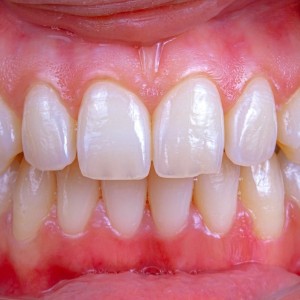
This peer-reviewed periodontology article summarizes clinical evidence from BMC oral health (2026). It focuses on findings that may help dental professionals evaluate treatment decisions, patient...


Copyright © 2026 - All Rights Reserved
ISSN 2767-1178