


Assessment of some properties of orthodontic primer after incorporating nanotheobromine
OBJECTIVES
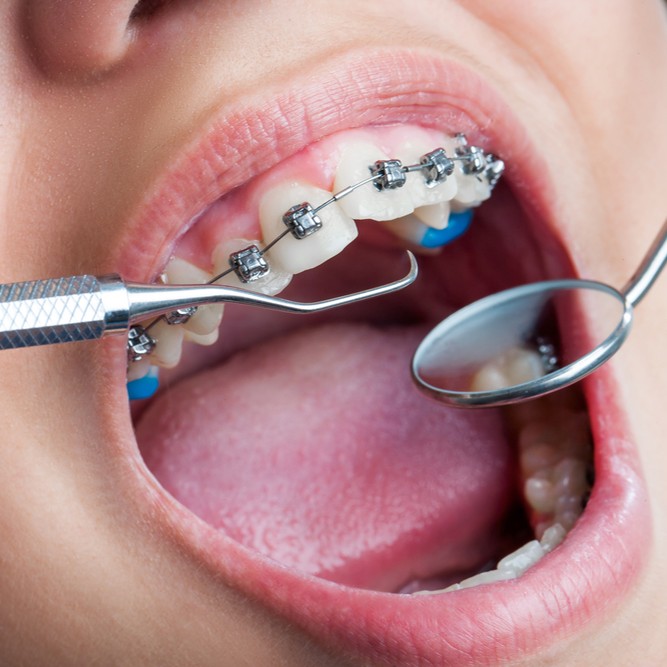
The study aimed to assess the shear bond strength, changes in FTIR, and degree of conversion for the primer of orthodontic composite after incorporating nanotheobromine powder.
MATERIALS AND METHODS
Twenty-four metal brackets attached to premolars were used to test the shear bond strength. The 3M™ light cure adhesive was modified by incorporating theobromine nanoparticle powder in 10% and 15% concentrations into the primer. Fifteen samples of the primer for the control and the experimental groups were prepared to measure FTIR and the degree of conversion of the primer from monomer to polymer. The differences among groups were analyzed using the ANOVA test at p < 0.05.
RESULTS
The shear bond strength was higher in the group modified with 15% nanotheobromine (20.13 Megapascal) than in the other groups. On the other hand, the experimental nanotheobromine groups yielded no significant change in the degree of conversion when compared to the control. Fourier-transformed infrared spectroscopy also showed no specifically determined chemical changes after nanotheobromine powder incorporation.
CONCLUSION
From the current study, it could be concluded that the experimental composite, particularly the one with 15% nanotheobromine, has good physical and chemical properties, which makes it recommendable for successful use in dental practice.
CLINICAL SIGNIFICANCE
This material improvement will enhance the prevention of white spot lesions around orthodontic brackets.
Authors: Rahma A. Al-Zarki, Ammar Abdulghani, Ali R. Al-Khatib
Source: https://www.dentalcadmos.com/
 Related articles
News 07 August 2026
The Investment Grade Practice Assessment reveals opportunities to strengthen revenue, systems, leadership, and long-term business health
Products 30 March 2026
A New Saliva Assessment Tool for Both Medical and Dental Professionals: FishburneTabs OH
Clinical dry mouth often goes undetected. People adjust to xerostomia¹, and drying changes may be gradual, making dry mouth (hyposalivation) a low priority for many healthcare professionals.
News 13 March 2026
American Academy of Pediatric Dentistry warns that current methodology could erode decades of advancement in children’s oral health and urges immediate reconsideration
Endodontics 15 April 2025

Digital and technological developments may help improve the management and treatment of endodontic cases.
Orthodontics 02 April 2025
CBCT in orthodontics: assessment of treatment outcomes and indications for its use

Since its introduction into dentistry in 1998, CBCT has become increasingly utilized for orthodontic diagnosis, treatment planning and research.
Read more
Europe 27 September 2026 - 30 November -0001
Digital Dentistry Society Global Congress 2026: Event Preview and Professional Highlights

The Digital Dentistry Society Global Congress 2026 will take place from October 22, 2026 to October 24, 2026 in TBD, Rotating Europe, offering dental professionals a focused environment for...
Editorials 27 September 2026
Dentistry33 survey highlights replacement care, deep caries and evolving restorative workflows
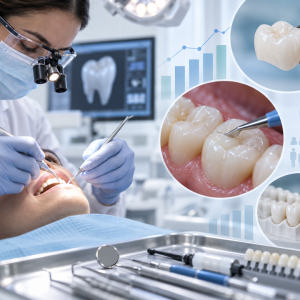
Reader survey finds direct composites remain dominant, secondary caries is the leading reason for restoration replacement, and clinicians want more training in pulp preservation
Reader survey finds direct composites remain dominant, secondary caries is the leading reason for restoration replacement, and clinicians want more training in pulp preservation
Edra Professional Books 26 September 2026
Manual of oral surgery: A Practical Reference for Dental Professionals
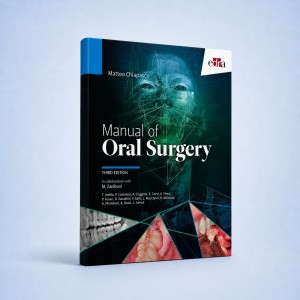
Manual of oral surgery is an Edra professional dentistry reference focused on clinical practice, education and treatment planning.
Products 25 September 2026
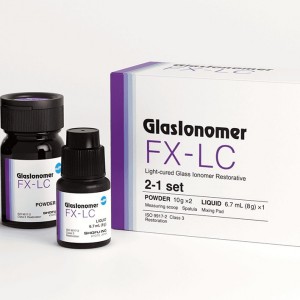
Shofu Dental’s line of dental restorative materials now includes FX-LC, a next-generation, light-cure, resin-reinforced glass ionomer formulated to deliver high strength, efficient 4
News 25 September 2026

The scholarships are part of an ongoing workforce solutions strategy to help address the need for skilled dental hygienists


Copyright © 2026 - All Rights Reserved
ISSN 2767-1178