


Haste, pressure and staffing shortages contribute to costly mistakes
By The Dentists Insurance Company
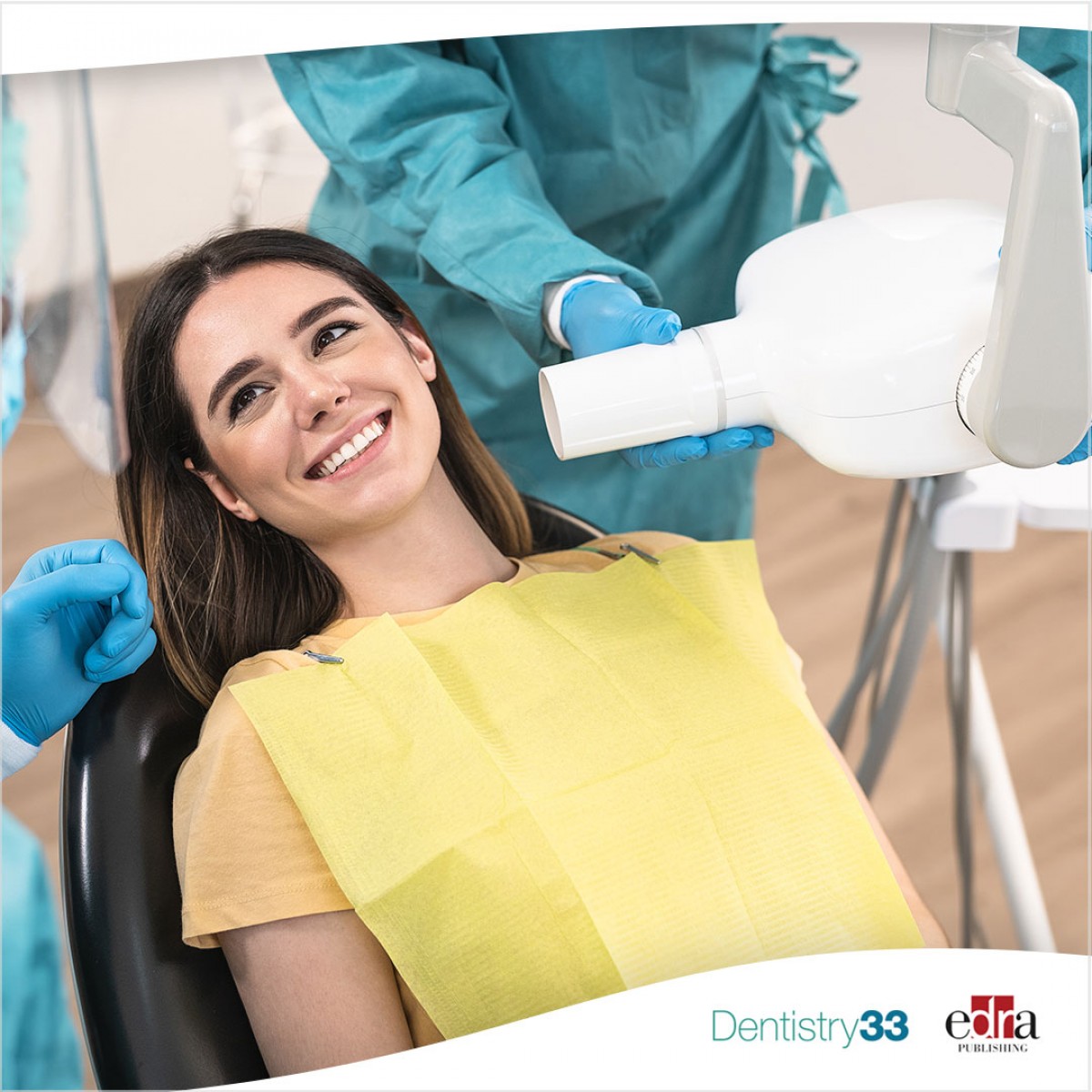
Identity or treatment plan mistakes can occur in any dental practice. Research by The Dental Insurance Company’s analysts reveals the most commonly occurring elements are referral slip errors, performance or production pressure and staffing shortages. Prevention requires a proactive approach.
The origins of penicillin are said to have begun with an oversight: Alexander Fleming forgot to clean the dirty dishes in his lab sink before leaving on vacation. Upon his return, he noticed a petri dish of staphylococci had grown a mold that wiped out the sample around it, a discovery that eventually led to the life-saving antibiotic.
Unfortunately, most oversights do not have such laudable outcomes. In dentistry, there is potential for error, such as mistaken identity or treatment performed on the wrong tooth. Some of these matters can be addressed and resolved quickly to everyone’s satisfaction, but others result in costly professional liability claims.
The Dentists Insurance Company’s Risk Management Advice Line fields calls each day from dentists facing practice challenges. Recently, Risk Management analysts have noticed an increase in calls with concerns about the wrong treatment being performed.
On the CDA news site, the analysts provide two case studies. One involves a patient that had the wrong tooth extracted. According to TDIC, the patient originally went to the oral surgeon’s office without a referral slip. The office contacted the general dentist’s office and requested that they provide a referral slip for their records.
Under pressure to provide the referral urgently, the office manager only referred to the patient’s radiographs, which revealed gross decay on tooth No.14, and not the treatment notes. She therefore assumed that tooth No.14 was the intended tooth and provided a referral slip for the oral surgeon recommending the removal of tooth No. 14.
In the second case study, analysts outline what happened when two young siblings were accompanied to an appointment by their nanny. When staff proceeded to seat the first patient, they understood that they were seating “Evan” and asked the nanny to confirm that in fact the patient’s name was Evan. The nanny affirmed twice that yes, they were seating Evan.
As they were preparing to administer the patient nitrous oxide, a team member who had been present at the siblings’ initial visit caught the error and informed the other staff that the seated patient was Braxton, not Evan. The team was relieved to have caught the mix-up just in time before treatment began.
How do treatment mistakes happen?
Identity or treatment plan mistakes can occur in any dental practice. While there are a variety of factors that can contribute to mix-ups, research by TDIC’s analysts reveals the most commonly occurring elements. Being aware of these factors can help your practice team develop a proactive approach for prevention.
- Errors on referral slips. The most common cause for treatment mistakes is writing the wrong tooth number on referral slips. Allowing staff to fill out the referral forms without getting the treating dentist’s confirmation of accuracy and signature is typically what leads to misinformation.
- Performance or production pressure. Often, a dentist who is in a rush trusts their dental assistant to display the correct radiographs and treatment plan for the patient they are treating, failing to verify that the diagnostic displays are the most current or correctly matched to the patient. Scheduling adequate treatment time for cases, paying attention to detail and observing a timeout before treatment can eliminate the temptation to take shortcuts. Learn more about the risks of shortcuts and how to safeguard your practice against them in TDIC’s recent Risk Management publication.
- Staffing shortages. Frequently, performance and production pressures can be blamed on an undertrained or understaffed practice team. Having qualified, reliable staff makes a substantial difference to how the office runs and the level of patient care a practice can provide. Without a well-staffed office able to follow patient care protocols, things can – and will – slip through the cracks. TDIC recommends protecting your practice and professional reputation by implementing effective processes to find and hire solid employees.
A proactive approach to prevention
TDIC experts said dentists and their teams can increase the potential for a favorable outcome for your practice and the patient by taking the following steps:
- Inform your patients about treatment errors in a timely manner.
- Acknowledge that an error occurred and identify measures you have taken to prevent these in the future.
- Clearly communicate a plan to address the issue and provide a potential solution including any costs for which you will be responsible.
- Document in the patient chart what the patient was told about the error and your proposed corrective action.
- Do not bill the patient for a procedure performed in error. Doing so can provide motivation for the patient to file a malpractice claim.
For more details from the case studies and advice, read the original article which was originally published on the California Dental Association's news site.
 Related articles
Editorials 20 September 2026
Dentistry33 survey shows small practices balancing growth, costs and technology modernization
Reader survey finds solo and small practices remain prominent while staffing, rising costs and digital adoption shape business priorities
Reader survey finds solo and small practices remain prominent while staffing, rising costs and digital adoption shape business priorities
Products 23 September 2025
Dentech’s Practice Management Software Has Robust Feature Set

Dentech’s state-of-the-art practice management software fits right into the day-to-day operations of a dental practice of any size.

Meet Ora, the first-of-its-kind to deliver on the promise of providing “all-in-one” practice management software to dental practices.
News 22 April 2024
Synchrony Expands Dental Payment Offerings with Adit Practice Management Software Partnership
Synchrony, a consumer financial services company, announced a new partnership with Adit, an industry leading dental practice management software provider. Increasingly, dentists are looking for...
Products 21 March 2024
Carestream Dental Unveils Rx Manager as Newest Addition to Its Sensei Practice Management Portfolio

In a world where digital security is indispensable, Carestream Dental is proud to introduce Rx Manager, a Sensei product, a cloud-based module for electronic prescription management.
Read more
Products 15 October 2026
The belief in the healing power of light goes all the way back to ancient Egypt and the worship of Rah, the sun god.
Nearly half the world’s population is affected by oral disease—and the number of cases is rising.
News 15 October 2026

New office at 3170 R Street adds walk-in availability and same-day care options in a region where dental providers are in short supply

Each year, the University of Colorado Anschutz School of Dental Medicine (SDM) Excellence Awards recognize individuals whose dedication, leadership and innovation strengthen our mi
Oral surgery 15 October 2026

This peer-reviewed oral surgery article summarizes clinical evidence from International journal of oral and maxillofacial surgery (2026). It focuses on findings that may help dental professionals...



Copyright © 2026 - All Rights Reserved
ISSN 2767-1178