


Optical properties of esthetic temporary cements and final restoration color

Background
Opaque cements can be esthetically unfavorable and alternative translucent materials have been developed. The aim of this study was to evaluate the color interference of a new translucent cement compared with conventional materials, in association with interim restoration with different thickness and shades.
Methods
Bis-acryl composite disks were prepared in 2 thicknesses (1.2 mm, 0.6 mm) and 3 shades (A3.5, A2, bleached) to simulate the restorations. Cementation over dentin disks was performed with 1 translucent cement (Provicol QM Aesthetic; VOCO), 2 conventional cements (Provicol; VOCO, Temp-Bond NE; Kerr Dental), and 1 transparent liquid (polyethylene glycol 400). The difference between the color of the specimens cemented with the transparent liquid and that of the specimens cemented with each cement was calculated (ΔEab). The data were analyzed using 3-way analysis of variance and Tukey tests (5%).
Results
Significant differences were observed for all factors and some interactions (P < .05). For Provicol QM Aesthetic, the shade and thickness did not influence the ΔEab. For Provicol and Temp-Bond NE, the lighter and thinner the specimen, the higher the ΔEab. Only Provicol QM Aesthetic had smaller means than the perceptibility threshold. Temp-Bond NE and Provicol had higher values than the acceptability threshold for some combinations.
Conclusions
The highly translucent cement had less color interference than the conventional materials. The thickness and resin shade only affected the results for the opaque cements. The thinner specimens and the lighter shades had higher color interference.
Practical implications
The use of a more translucent cement can produce a smaller color interference on the esthetic outcome of interim restorations.
Sabrina Elise Moecke et al. "Optical properties of esthetic temporary cements and final restoration color." JADA. 26 April 2023. DOI: https://doi.org/10.1016/j.adaj.2023.03.010
 Related articles
News 04 June 2026
Apex Dental Partners continues its strategic growth with the addition of five new affiliated practices in Colorado, expanding its presence in the state to 12 locations and bringing
Endodontics 04 March 2026

Regenerative endodontic procedure (REP) has been proposed as a new approach to treat immature permanent teeth.
Periodontology 11 February 2026
Effect of blue covarine containing whitening toothpaste on the color of resin composites and teeth

Resin composites have become increasingly popular; however, one problem associated with their use is discoloration. Bleaching (whitening by chemical methods) is an accepted way to remove external and...
Products 03 November 2025
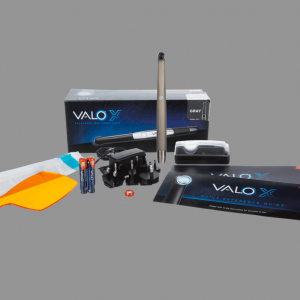
Ultradent Products, Inc., a leading developer and manufacturer of high-tech dental materials, is announcing the launch of VALO X Colors: new, vibrant finishes for the award-winning VALO X curing...
News 11 September 2025
Get ready, Lakewood—Rodeo Dental & Orthodontics, a nationally recognized dental group known for its high-energy, fun-filled, and patient-focused approach, has officially opened its newest...
Read more
Products 15 October 2026
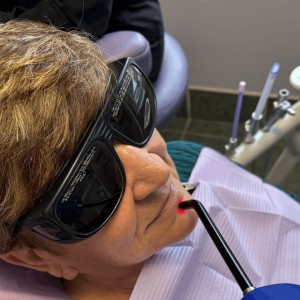
The belief in the healing power of light goes all the way back to ancient Egypt and the worship of Rah, the sun god.
Nearly half the world’s population is affected by oral disease—and the number of cases is rising.
News 15 October 2026

New office at 3170 R Street adds walk-in availability and same-day care options in a region where dental providers are in short supply

Each year, the University of Colorado Anschutz School of Dental Medicine (SDM) Excellence Awards recognize individuals whose dedication, leadership and innovation strengthen our mi
Oral surgery 15 October 2026
This peer-reviewed oral surgery article summarizes clinical evidence from International journal of oral and maxillofacial surgery (2026). It focuses on findings that may help dental professionals...



Copyright © 2026 - All Rights Reserved
ISSN 2767-1178