


The clinical success of three-unit fixed prosthetic restorations in zirconia with 14-year follow-up
Lara Figini

Zirconia (ZrO2) is a high-strength polycrystalline ceramic and is considered a suitable material for single crowns (SC) and fixed multi-unit dental prostheses (FDP), as it tolerates higher occlusal loads than conventional ceramics and meets the high demands aesthetics of patients. Recent clinical investigations have suggested favorable potentials of zirconia-based FDP for posterior regions, showing a cumulative survival rate of 85.0% after 10 years of operation, although a high degree of long-term technical complications cannot be denied, especially chipping.
Materials and Methods
In an Italian prospective study, published in the Journal of Dentistry of October 2020, the authors evaluated the clinical performance after 14 years, of three-unit fixed dental prostheses (FDP) in zirconia. In thirty-seven patients, who needed to replace premolars or molars, 48 FDPs (Procera Zirconia, Nobel Biocare AB) were fabricated and cemented. Patients were then recalled and monitored after 6 and 12 months and then annually for a total follow-up of 14 years. Two independent survival curves for patients carrying 1 or 2 FDPs were calculated by Kaplan-Meier, and a log-rank test was performed to compare these curves. The US public health criteria were used to examine technical and aesthetic results. The biological examination included the evaluation of the plaque, the depth of the pocket, the level of attachment, the bleeding on probing on both abutments, bearing the 3-element FDP, and on the counter-lateral teeth. The data were evaluated by the Wilcoxon test (p <0.05), comparing the data obtained at time 0 and at 14 years.
Results
descriptive statistics led to cumulative survival rates of 91% and 99% for patients carrying 1 and 2 FDP, respectively. No significant differences were found in periodontal parameters between the control group (traditional rehabilitations) and the experimental test group. Both functional and esthetic success results were recorded for FDP over a follow-up period of 14 years.
Conclusions
From the data emerging from this prospective study, which must be confirmed in other similar studies, it can be concluded that: - chipping of the veneering ceramic is the most frequent complication recorded for posterior zirconia FDP - in the absence of parafunctional occlusal loads, the 3-element zirconia FDPs show predictable functionality; - 3-element zirconia FDPs show excellent marginal integrity and mechanical resistance to fracture; - zirconia has excellent biocompatibility demonstrated by the excellent response of the surrounding soft tissues; - Patient satisfaction with regard to both functional and aesthetic results is generally fully satisfactory even in the long term. Clinical implications Additional randomized controlled trials with larger 3-unit zirconia bridges and longer observation periods would be needed to evaluate the long-term functionality and predictability of these types of prosthetic restorations.
For additional information: Fourteen-year evaluation of posterior zirconia-based three-unit fixed dental prostheses A Prospective clinical study of all ceramic prosthesis
 Read more

Jen Kim Field, chief sustainability officer at Henry Schein and president of the Henry Schein Cares Foundation, answers questions for Dentistry Today about the group’s achievements
News 12 October 2026
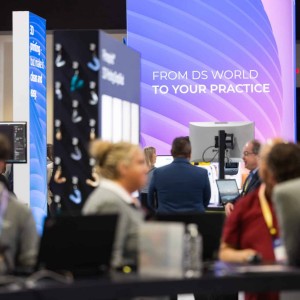
The education-first program offered learning for the entire dental practice, with practical insights spanning the full patient journey and focused on improving workflows, collabora
News 12 October 2026
AAO and Stand for the Silent Unite Communities This Month to Shine a Light on Bullying Prevention
Editorials 12 October 2026
Expanded coverage: Texas A&M’s Plemons named 2026 Texas Dentist of the Year

Sometimes a small act of generosity can make a tremendous impression, especially on a 7-year-old.
Endodontics 12 October 2026
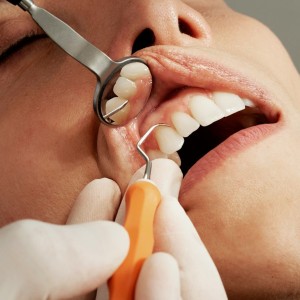
This peer-reviewed endodontics article summarizes clinical evidence from Journal of dentistry (2026). It focuses on findings that may help dental professionals evaluate treatment decisions, patient...



Copyright © 2026 - All Rights Reserved
ISSN 2767-1178