


Preheated composite resins as luting materials for indirect restorations: a systematic review
By Lorenzo Breschi and Carlo D’Alessandro

The type of luting material and the cementation techniques are crucial factors contributing to the long-term prognosis of indirect restorations. An ideal cement should create a stable connection between the tooth abutment and the restoration, enabling a reliable retention, good fracture resistance and reduced microleakage.
In recent years, the use of preheated resin composites as a luting agent for indirect restorations has gained significant attention as an alternative to resin cements. The preheating technique, where the resin composite material is heated to a specific temperature prior to placement, offers unique advantages in terms of handling characteristics, polymerization shrinkage and mechanical strength.
The reduced viscosity and the high filler content contribute to obtaining optimal clinical performances. The temperature at which the resin composite is heated can vary depending on the specific material and manufacturer's recommendations.
Although the physical and mechanical properties of different resin composite with various preheating techniques have been evaluated, there is no evidence regarding their influence on the adaptation of indirect restorations when used as luting materials. Some of the main concerns of this approach are the greater film thickness compared with that of resin cement and the marginal fit. In this regard, Souza et al. have conducted a systematic review to answer the question: Does the use of preheated restorative resin composite as a luting material influence the adaptation of fixed dental prostheses?
Materials and methods
Published articles were selected from seven databases and non-peer-reviewed literature. Only studies directly comparing the adaptation of fixed dental prostheses cemented with preheated restorative resin composites or resin cements were considered eligible for inclusion. Both in vivo and in vitro studies were considered. The risk of bias of each included study was assessed on a nine-item checklist.
Results
A total of four in vitro articles met the inclusion criteria of the review process. Results of three studies indicated that preheated resin composites produced a greater discrepancy than resin cements, while the improved the adaptation of fixed dental prostheses was found in the remaining study. Even though all included studies had a medium risk of bias, the number of investigations was limited thus requiring further insights. Moreover, the elevated level of heterogeneity among the studies precluded meta-analysis on variables such as the formulation of the resin materials or the heating time and temperature.
Conclusion
Within the limitation of this study, the authors concluded that the use of preheated resin composites as luting material negatively influences the adaptation of fixed dental prostheses and suggested resin cements as the more suitable choice for cementation of indirect restorations. Further research and clinical trials with better methodological designs are essential to validate this evidence.
Souza TJS, Freitas ADS, Ferreira DMTP, Maia LC, Rabello TB. “Does the use of preheated restorative resin composite as a luting agent influence the adaptation of fixed dental prostheses? A systematic review.” J Prosthet Dent. 14 March 2022. DOI: https://doi.org/10.1016/j.prosdent.2022.02.008
 Related articles
Editorials 27 September 2026
Dentistry33 survey highlights replacement care, deep caries and evolving restorative workflows
Reader survey finds direct composites remain dominant, secondary caries is the leading reason for restoration replacement, and clinicians want more training in pulp preservation
Reader survey finds direct composites remain dominant, secondary caries is the leading reason for restoration replacement, and clinicians want more training in pulp preservation
News 30 April 2026
Perfectly complemented: Kettenbach Dental’s composite line continues to grow The new restorative composite VISALYS® Bulk Fill – for durable restorations within a system
Pediatric dentistry 25 February 2026
Direct and indirect restorations in posterior sectors: literature vs social media
Social media are a fundamental part of modern society: at a professional level, they allow clinicians to share and comment cases, scientific literature and protocols.
News 24 February 2026
Low-Fusing Porcelain System Delivers Predictable Esthetics with Streamlined Micro-Layering
Oral surgery 23 February 2026

Full-arch rehabilitation has always represented the most challenging work both from the surgical and from the prosthetic aspect. One of the challenges in the treatment of full-arch implant supported...
Read more
Products 15 October 2026
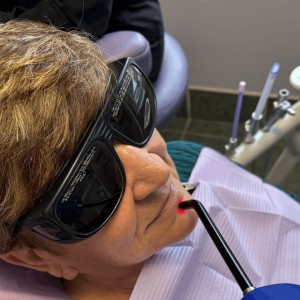
The belief in the healing power of light goes all the way back to ancient Egypt and the worship of Rah, the sun god.
Nearly half the world’s population is affected by oral disease—and the number of cases is rising.
News 15 October 2026
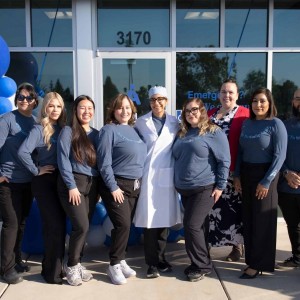
New office at 3170 R Street adds walk-in availability and same-day care options in a region where dental providers are in short supply
Each year, the University of Colorado Anschutz School of Dental Medicine (SDM) Excellence Awards recognize individuals whose dedication, leadership and innovation strengthen our mi
Oral surgery 15 October 2026
This peer-reviewed oral surgery article summarizes clinical evidence from International journal of oral and maxillofacial surgery (2026). It focuses on findings that may help dental professionals...



Copyright © 2026 - All Rights Reserved
ISSN 2767-1178