


Lessons learned from the Cracked Tooth Registry
Background
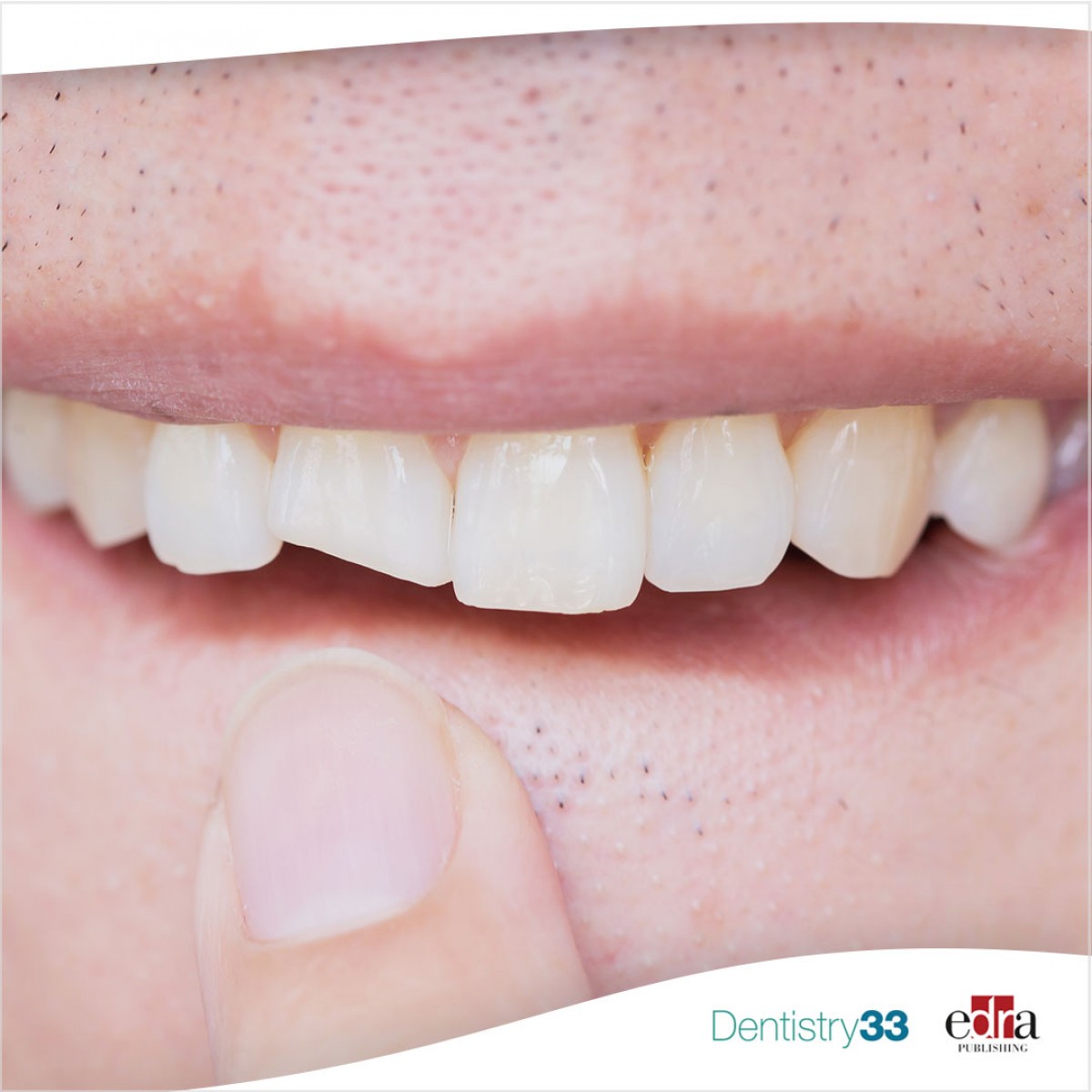
This article reviews the most salient lessons learned from a large, multisite, three-year observational study of posterior teeth with cracks conducted by The National Dental Practice–Based Research Network.
Types of studies reviewed
Researchers reviewed and discussed eight articles published over a six-year period (2017-2022) describing clinical characteristics of posterior teeth with cracks and their treatment and outcomes. The team aimed to answer three common questions faced by oral health care clinicians: Which cracked teeth will get worse? When should practitioners intervene? What is the best treatment?
Results
Although cracks in teeth are prevalent, few will fracture (3%) or show crack progression in three years (12%). Characteristics that guide the clinician to treatment include active caries, biting pain and to a lesser degree, having a crack detectable with an explorer, connecting with a restoration, or blocking transilluminated light. The main treatment chosen is a complete crown. Of those teeth treated (36%), few (14%) will need retreatment but will still survive, despite having an internal crack as well.
Conclusions, practical Implications
Although cracked teeth often pose a dilemma to clinicians, clinicians are generally good at deciding which teeth to treat and when and which to monitor.
Jack L. Ferracane, Thomas J. Hilton and Ellen Funkhouser. "Lessons learned from the Cracked Tooth Registry: A 3-year clinical study in the Nation’s Network." JADA. 21 January 2023. DOI: https://doi.org/10.1016/j.adaj.2022.11.020
 Related articles
USA 25 April 2023 - 26 April 2023
April 25-26, Melville, New York
All sessions will be held in the Hilton Hotel, to include full and half-day scientific programs and table clinics with over 140 exhibitions displaying the latest in technology, equipment, supplies...
Restorative dentistry 03 November 2022
Dental cracks always represent a problem that is difficult to manage and diagnose by the dentist.
Endodontics 30 June 2021
The cracked tooth is characterized by an incomplete fracture that can extend from the crown to the subgingival level. However, the presence of restorations and the limitations of examination tools...
Editorials 27 September 2026
Dentistry33 survey highlights replacement care, deep caries and evolving restorative workflows
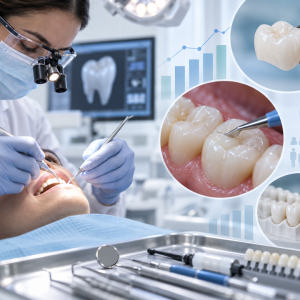
Reader survey finds direct composites remain dominant, secondary caries is the leading reason for restoration replacement, and clinicians want more training in pulp preservation
Reader survey finds direct composites remain dominant, secondary caries is the leading reason for restoration replacement, and clinicians want more training in pulp preservation
News 30 April 2026
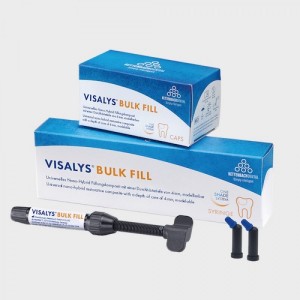
Perfectly complemented: Kettenbach Dental’s composite line continues to grow The new restorative composite VISALYS® Bulk Fill – for durable restorations within a system
Read more

Jen Kim Field, chief sustainability officer at Henry Schein and president of the Henry Schein Cares Foundation, answers questions for Dentistry Today about the group’s achievements
News 12 October 2026

The education-first program offered learning for the entire dental practice, with practical insights spanning the full patient journey and focused on improving workflows, collabora
News 12 October 2026
AAO and Stand for the Silent Unite Communities This Month to Shine a Light on Bullying Prevention
Editorials 12 October 2026
Expanded coverage: Texas A&M’s Plemons named 2026 Texas Dentist of the Year

Sometimes a small act of generosity can make a tremendous impression, especially on a 7-year-old.
Endodontics 12 October 2026
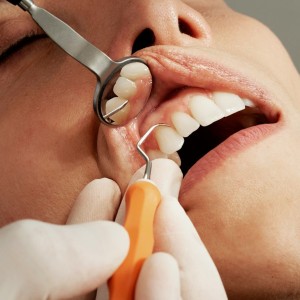
This peer-reviewed endodontics article summarizes clinical evidence from Journal of dentistry (2026). It focuses on findings that may help dental professionals evaluate treatment decisions, patient...



Copyright © 2026 - All Rights Reserved
ISSN 2767-1178