


Effect of curing light on gingival cell proliferation
Lara Figini
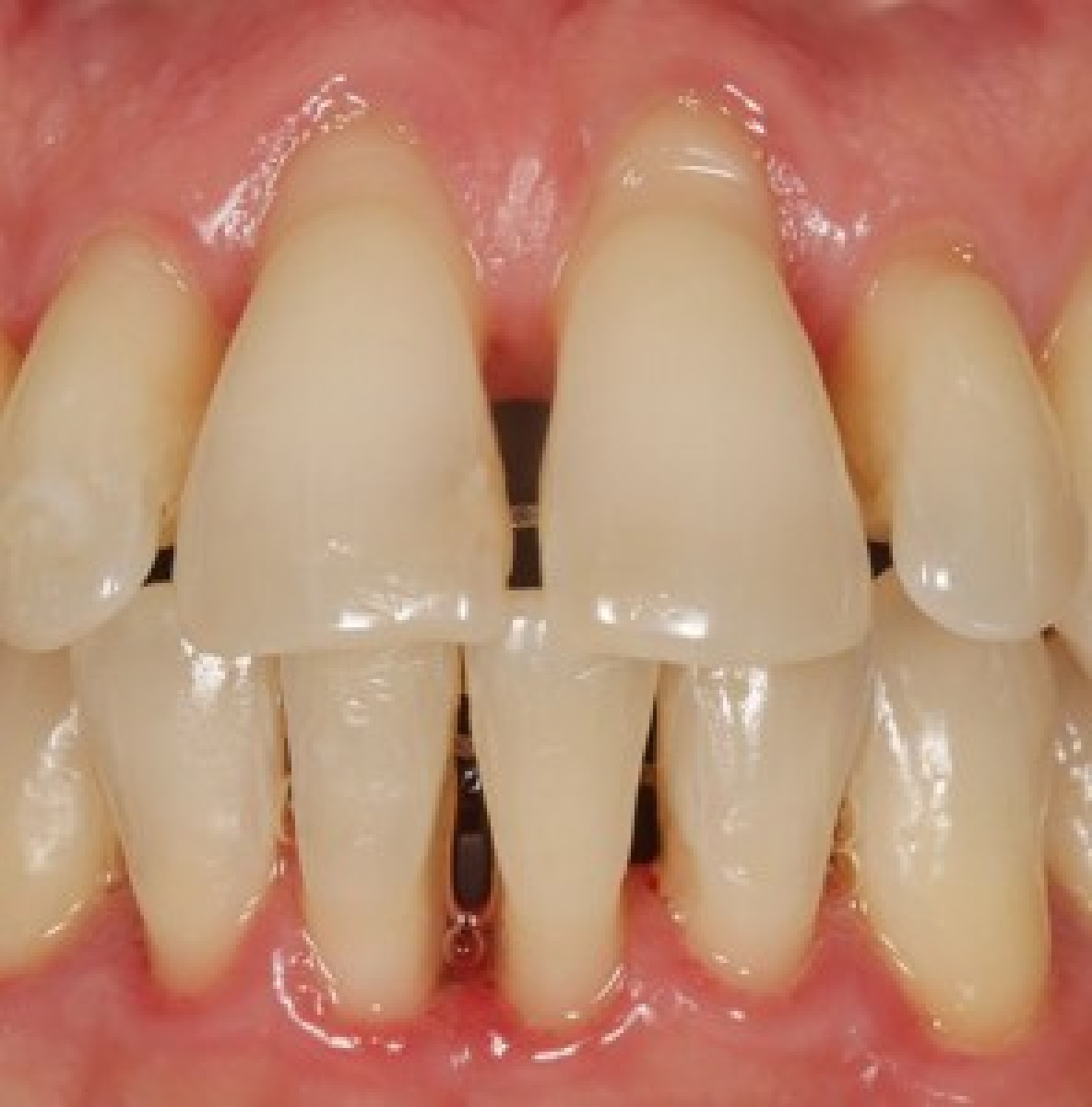
Light-emitting diode (LED) curing lamps and quartz-tungsten (QTH) halogen lamps are commonly used in dentistry for aesthetic restorations, whose involves photopolymerization. Both LED and QTH halogen lights have been shown to affect wound healing, proliferation and apoptosis of fibroblasts, skin and retinal pigment epithelial cells. However, no research has been conducted to evaluate the effect of these lights on the proliferation of human oral epithelial cells.
Materials and methods
In an in vitro study, published on JADA, April 2021, the authors evaluated the effect of curing light, commonly used in the dental field for composite fillings, on the proliferation of human gingival epithelial cells. Smulow-Glickman (SG) cells were exposed to the light of a VALO (Ultradent) LED curing light and to the light of a XL3000 QTH (3MESPE) halogen curing light at a distance of 1mm or 6mm by 18, 39, 60 and 120 seconds. Untreated cells and cells treated with Triton X-100 (non-ionic surfactant) were considered into the control group. At 24, 48 and 72 hours after exposure to light, cell proliferation was assessed via 3- (4,5-dimethylthiazol-2-yl) -2,5-diphenyltetrazolium bromide assay. The authors also measured the temperature by means of shining the light directly at an EX430 True RMS Multimeter Thermocouple (Extech Instruments) at the maximum power for 20 seconds.
Results
The authors first evaluated the performances of these 2 lights. Both LED and QTH lights generated heat. The LED light generated less heat than the QTH light and could save approximately two-thirds of the curing time. When used for 18 seconds at a 6 mm distance, the LED light did not inhibit the proliferation of S-G cells. However, if the exposure time was longer (for example, 39, 60, or 120 seconds), the LED light inhibited cell proliferation. The inhibitory effect increased when the exposure time was increased to 39, 60, or 120 seconds. The QTH light did not inhibit S-G cell proliferation if the exposure time was less than 120 seconds.
Conclusions
From the data of this study, which must be confirmed in other similar studies, it can be concluded that prolonged exposure to a curing light (both LED and QTH) inhibits the proliferation of gingival epithelial cells and can cause damage to oral soft tissues.
Clinical implications
In the dental field, it is necessary to find the right balance in terms of curing light that allows the most polymerization possible of the composites, avoiding unnecessary prolonged exposure that could damage the gingival tissues. Is fundamental, in cases of prolonged curing light, the positioning of the dental dam, that acts as a barrier between light and gingiva.
 Related articles
Periodontology 04 October 2021
Light-emitting diode (LED) curing lamps and quartz-tungsten (QTH) halogen lamps are commonly used in dentistry for aesthetic restorations, whose involves photopolymerization. Both LED and QTH halogen...
Read more
Continuous innovation across the DEXIS ecosystem helps clinicians work with greater clarity, confidence, and efficiency
News 23 October 2026

CrownPoint Partners announced the successful closing of a $9.2 million, five-property dental sale-leaseback portfolio located throughout Michigan.
News 23 October 2026
Dentsply Sirona, Midwest Dental Expand Technology Relationship

Beginning November 1, Dentsply Sirona will expand its long-standing relationship with Midwest Dental Equipment & Supply beyond consumables to include its complete technology portfo
Editorials 23 October 2026
Honoring Excellence: Graduation Awards for CU Anschutz Dental Students and Faculty

As the University of Colorado Anschutz School of Dental Medicine celebrates the graduating DDS Class of 2025, we are proud to recognize the students and faculty members whose excep
Implantology 23 October 2026
This peer-reviewed implantology article summarizes clinical evidence from Clinical oral implants research (2026). It focuses on findings that may help dental professionals evaluate treatment...


Copyright © 2026 - All Rights Reserved
ISSN 2767-1178