


MANAGEMENT OF TISSUE REBOUND IN AESTHETIC ZONE. CASE REPORT WITH 2 YEARS FOLLOW-UP
Authors: MARIO GISOTTI, PAOLO SCATTARELLI, DARIO NATALE
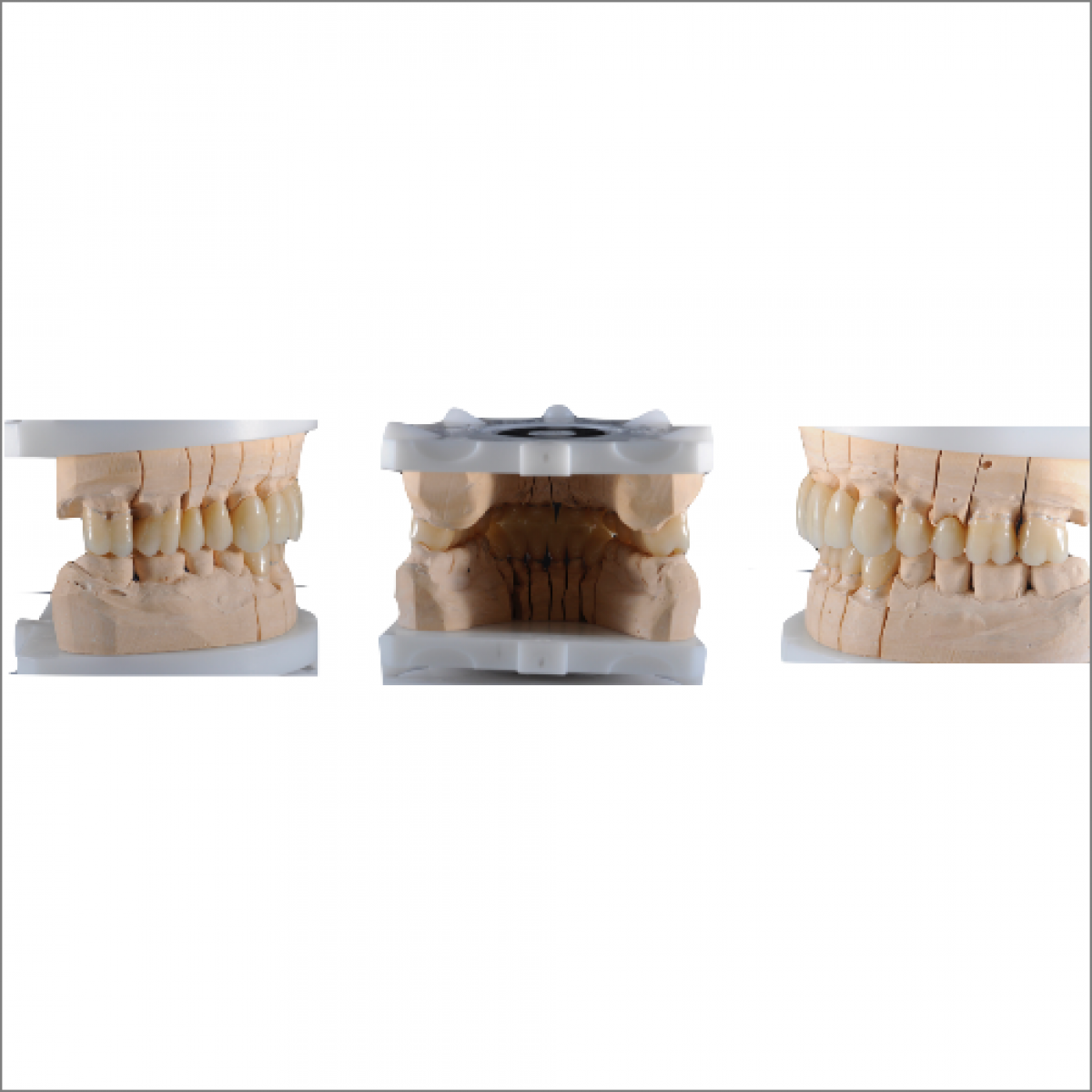
Clinical crown lengthening is a procedure aimed at obtaining a better aesthetic result in prosthetic rehabilitations obtaining at the same time an absence of periodontal probing in final healed tissue.
It can be obtained through orthodontic extrusion or surgically (Crown – lengthening surgery, CLS) by means of gingivectomy associated with osteoresective surgery. Despite the effectiveness of the procedure, there is still no common agreement in the literature about time needed for the application of final prosthesis following surgical procedures. The aim of our work was to evaluate in a follow-up of two years from the definitive cementation a technique already described which consists in the early application of a provisional adapted to the gingival margins three weeks after surgery, monitoring healing in a minimum time six months for definitive restoration.
Materials and methods
A patient, wearing a fixed prosthesis in both the upper and lower arch, had gingival inflammation, pathological periodontal probes and short prosthetic crowns in relation to the vestibular marginal gingiva. With a view to creating a new fixed prosthesis, he underwent pre-prosthetic osteo-resective surgery and after three weeks a provisional adapted gradually to guide the healing tissue for up to six months and was monitored for two years after the application of the permanent fixed prosthesis.
Results
The patient showed an aesthetic result of his own pleasure, without pathological periodontal probing, both at zero time (i.e. in the cementation phase) and in a two-year follow-up. Likewise, in addition to the improvement of prosthetic crowns and gingival aesthetics, there were no visible signs of bleeding or gingival inflammation. Improvements in aesthetics were also due to the replacement of the existing metal-ceramic prostheses with new metal-free ones, to the absence of the interincisive diastema in the upper arch, to more congruous proportions of the new prosthetic crown surfaces in relation to the marginal vestibular gingiva and to the elevation of the vertical occlusion dimension (DVO) in the lower arch performed for functional and prosthetic needs.
Conclusions
In the literature there is still a debate about the adequate time for the provisional application in clinical crown lengthening procedures associated with osteo-resective surgery due to the coronal growth of the crestal tissue (tissue rebound) which reduces the effects obtained with surgery and may determine variability of the level of the gingival margin even after a year. The described procedure allows to guide the coronal growth of soft tissues in an aesthetic morphology close to the natural aspect of soft tissues in a reduced time compared to the other protocols previously described.
Clinical Implications
This surgical technique allows to achieve functional and aesthetic results, characterized by the absence of pathological periodontal probing which remain stable for two years in prosthetic rehabilitations following an osteo - resective surgery in a shorter executive time compared to other therapeutic protocols proposed in the past for such clinical situation. The gingival and prosthetic aesthetic results added to the maintenance of periodontal health and the reduction of operating times considerably improves patient satisfaction. However, it will be interesting to observe the maintenance of these results in a longer follow up.
 Related articles
Periodontology 08 October 2026
This peer-reviewed periodontology article summarizes clinical evidence from BMC oral health (2026). It focuses on findings that may help dental professionals evaluate treatment decisions, patient...
Periodontology 24 September 2026
This peer-reviewed periodontology article summarizes clinical evidence from BMC oral health (2026). It focuses on findings that may help dental professionals evaluate treatment decisions, patient...
Periodontology 10 September 2026
This peer-reviewed periodontology article summarizes clinical evidence from BMC oral health (2026). It focuses on findings that may help dental professionals evaluate treatment decisions, patient...
Periodontology 14 July 2026
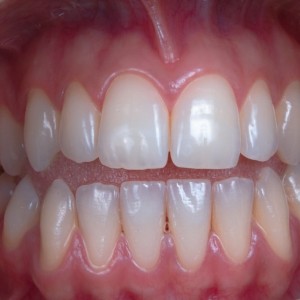
This peer-reviewed periodontology article summarizes clinical evidence from Oral health & preventive dentistry (2026). It focuses on findings that may help dental professionals evaluate treatment...
Periodontology 07 July 2026
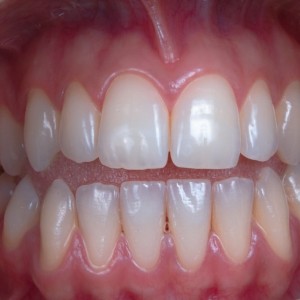
This peer-reviewed periodontology article summarizes clinical evidence from Oral health & preventive dentistry (2026). It focuses on findings that may help dental professionals evaluate treatment...
Read more
Products 13 October 2026
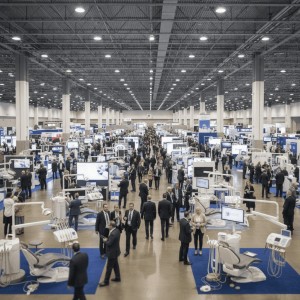

New Resources Help Dental Exhibitors Evaluate Their Investment and Explore the Personify ShowFlow™ Trade Show Success System
News 13 October 2026

New patient apps extend The Aspen Group’s mission to remove barriers to care, giving patients greater visibility, convenience, and control from booking through treatment
Editorials 13 October 2026

The forerunner of what’s now Texas A&M College of Dentistry opened 120 years ago in Dallas with the mission of educating dentists to provide quality care to patients in North Texas
Oral pathology 13 October 2026
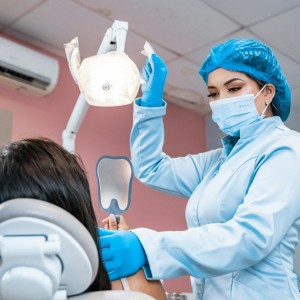
This peer-reviewed oral pathology article summarizes clinical evidence from Oral oncology (2026). It focuses on findings that may help dental professionals evaluate treatment decisions, patient...



Copyright © 2026 - All Rights Reserved
ISSN 2767-1178