


Structure, governance and delivery of specialist training programs in periodontology and implant dentistry

Aim
To update the competences and learning outcomes and their evaluation, educational methods and education quality assurance for the training of contemporary specialists in periodontology, including the impact of the 2018 Classification of Periodontal and Peri-implant Diseases and Conditions (2018 Classification hereafter) and the European Federation of Periodontology (EFP) Clinical Practice Guidelines (CPGs).
Methods
Evidence was gathered through scientific databases and by searching for European policies on higher education. In addition, two surveys were designed and sent to program directors and graduates.
Results
Program directors reported that curricula were periodically adapted to incorporate advances in diagnosis, classification, treatment guidelines and clinical techniques, including the 2018 Classification and the EFP CPGs. Graduates evaluated their overall training positively, although satisfaction was limited for training in mucogingival and surgical procedures related to dental implants. Traditional educational methods, such as didactic lectures, are still commonly employed, but they are now often associated with more interactive methods such as case-based seminars and problem-based and simulation-based learning. The evaluation of competences/learning outcomes should employ multiple methods of assessment.
Conclusion
An update of competences and learning outcomes of specialist training in periodontology is proposed, including knowledge and practical application of the 2018 Classification and CPGs. Harmonizing specialist training in periodontology is a critical issue at the European level.
Authors: Moshe Goldstein, Nikolaos Donos, Wim Teughels, Nikolaos Gkranias, Andy Temmerman, Jan Derks, Bahar Eren Kuru, Maria Clotilde Carra, Ana Belen Castro, Xanthippi Dereka, Christel Dekeyser, David Herrera, Katleen Vandamme, Elena Calciolari
Source: https://onlinelibrary.wiley.com/
 Related articles
News 04 August 2026

Implantology 03 February 2026
Bone Structure, Metabolism, and Physiology Its Impact on Dental Implantology
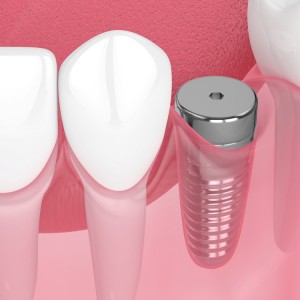
When placing implants in the mandible or maxilla, it is important for clinicians to understand the process of bone remodeling, the different types of bone, and how these factors can affect the...

Henry Schein, Inc. (Nasdaq: HSIC), the world’s largest provider of healthcare solutions for dental and medical professionals, has released its financial results for Q4 and the full year 2024.
Endodontics 30 August 2023

The aim of the study was to assess the presence and extent of sclerotic dentin and to study its impact on the direction of fracture lines in extracted mandibular first molars of young (20 to 44...

Researchers evaluated the effects of diabetes mellitus on the nanostructure of root canal dentin using high-resolution transmission electron microscopy and inductively coupled plasma mass...
Read more

Jen Kim Field, chief sustainability officer at Henry Schein and president of the Henry Schein Cares Foundation, answers questions for Dentistry Today about the group’s achievements
News 12 October 2026
The education-first program offered learning for the entire dental practice, with practical insights spanning the full patient journey and focused on improving workflows, collabora
News 12 October 2026
AAO and Stand for the Silent Unite Communities This Month to Shine a Light on Bullying Prevention
Editorials 12 October 2026
Expanded coverage: Texas A&M’s Plemons named 2026 Texas Dentist of the Year

Sometimes a small act of generosity can make a tremendous impression, especially on a 7-year-old.
Endodontics 12 October 2026
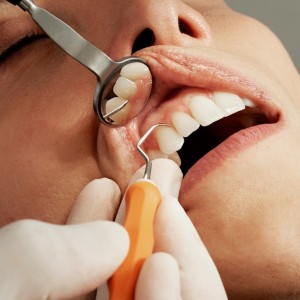
This peer-reviewed endodontics article summarizes clinical evidence from Journal of dentistry (2026). It focuses on findings that may help dental professionals evaluate treatment decisions, patient...


Copyright © 2026 - All Rights Reserved
ISSN 2767-1178