


New research links periodontitis treatment with improved cancer outcomes
By Harvard School of Dental Medicine News
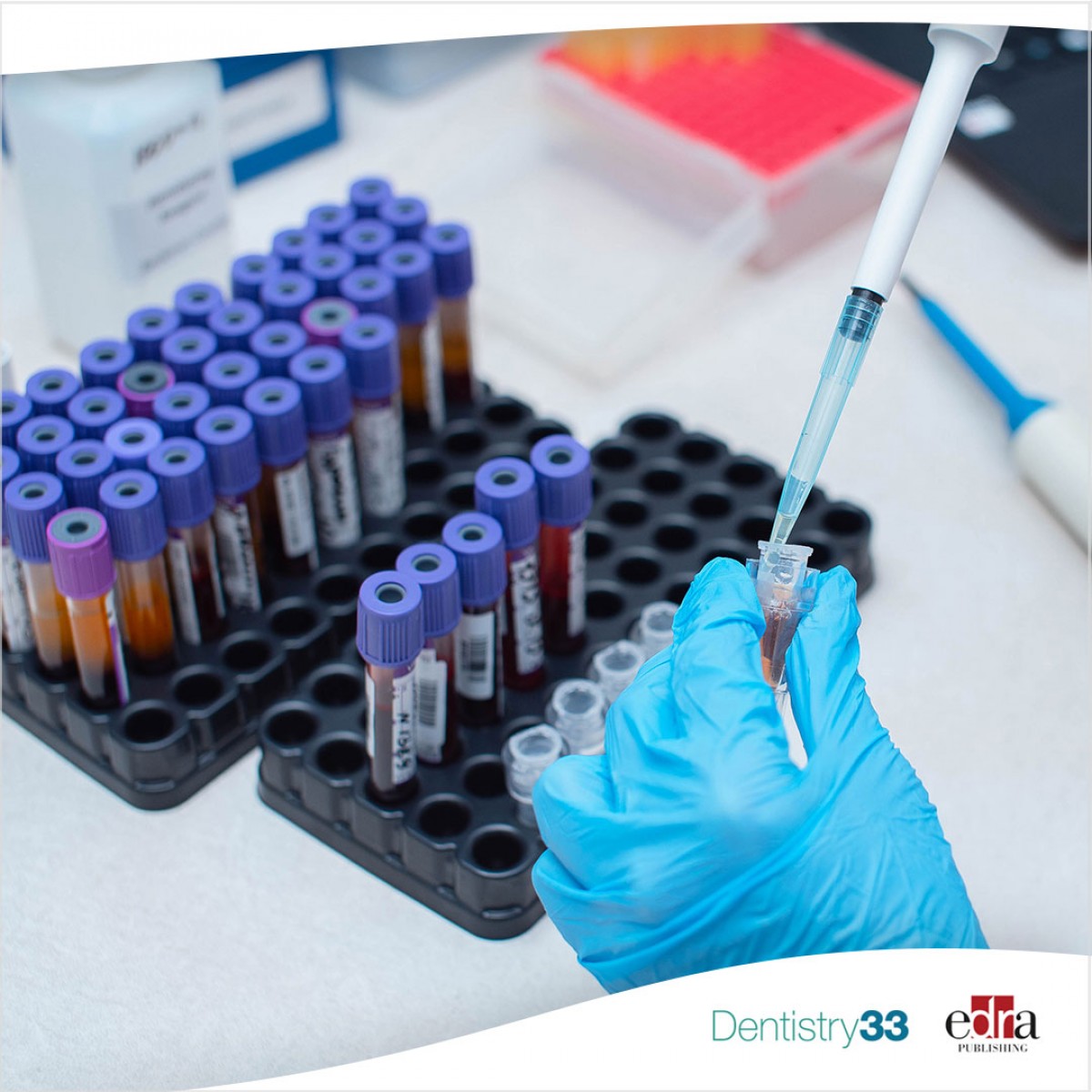
It is well established that periodontitis plays a role in developing numerous diseases and disorders unrelated to oral health. But now, a multidisciplinary team of researchers from Harvard School of Dental Medicine (HSDM), Massachusetts General Hospital (MGH) and São Paulo State University School of Dentistry (UNESP) highlights the potential to improve cancer treatment outcomes and decrease related adverse events by addressing oral dysbiosis.
In a recently published review from “The Lancet Healthy Longevity,” Drs. Fernando Guastaldi (HSDM), Sara Pai (MGH) and Henrique Matheus (UNESP) break down the pathophysiology of periodontitis and its comorbidities to highlight how the oral microbiome can affect immune responses that overlap with immune-related adverse events associated with immunotherapy.
This overview was published in a university story produced by HSDM.
“Given that periodontitis can result in systemic inflammatory disorders, and given the era of immunotherapy in cancer treatment, it just seemed like there may be understudied ways that may be impacting the efficacy of immunotherapy based on oral health,” said Pai, a researcher and clinician in the Division of Surgical Oncology at MGH studying immunotherapy.
By focusing on Porphyromonas gingivalis, a commonly studied oral pathogen associated with periodontitis, they found multiple ties between what occurs in the mouth to immunotherapy outcomes.
The first of which deals with the gut microbiome. As periodontitis progresses in the mouth, the degradation of oral tissue leads to bacteria transferring to the bloodstream and eventually to the gastrointestinal tract. As stated in the review, once P gingivalis infects the gut, a shift in the microbiota occurs there just as it does in the mouth.
Since it has been established that the composition of gut bacteria in patients receiving cancer immunotherapy can dictate their responses to the drug, the research team compared the gut microbiota of immunotherapy non-responders and patients with periodontitis. They found that two bacteria strains, Ruminococcus spp and Prevotella spp, are common in both groups, which suggests that periodontitis could influence cancer immunotherapy responses.
The team found another connection related to receptor pathways targeted in immunotherapy treatment – PD-1 and PDL-1 (two of the main immune checkpoints), as well as C5a and C3A (two complement components), are over-expressed in patients with periodontitis.
“When we were searching about the role of these receptors in immunotherapy, we found some publications saying that if you have a blockage of these receptors, you would have an improved response,” said Matheus, a periodontology researcher at UNESP. “So, what we assumed was if we have an increase of these receptors, the response rates could be lower when you treat these patients.”
Lastly, the team examined the more than 50 systemic inflammatory diseases believed to be linked to periodontitis, many of which overlap with immune-related adverse events associated with immunotherapy.
“We were seeing if the mechanisms through which periodontitis causes heart disease or diabetes could be similar to the ones caused when you have immunotherapy,” Matheus said. “As we found that some of them were really similar, we can assume that if we have both conditions, it may be more likely that the patients would have diabetes or rheumatoid arthritis or myocarditis.”
Putting all of this together, the researchers suggest that the treatment of periodontitis could not only improve the efficacy of cancer immunotherapy but also serve as a non-pharmacological approach to improving overall health and patients’ quality of life.
“Something as simple as taking care of your teeth can prevent all of these systemic autoimmune disorders,” Pai said. “And then for that to also impact cancer treatment or efficacy, that seems to me like a low-hanging fruit to try to make the patient or person feel better overall.”
Aside from generally potentially improving cancer outcomes, the review suggests that treating periodontitis could reduce cancer disparities among racial and socioeconomic minority groups. Since periodontitis is more common among marginalized groups, those in the community could face poorer outcomes to cancer immunotherapy due to a preexisting condition.
“We hypothesized that managing periodontitis could help to reduce cancer disparities by improving response rates and reducing ICB toxicity profiles in underrepresented minorities and individuals with a lower socioeconomic status,” the authors said in the review.
None of this work would have been possible without collaboration from different medical specialties, according to Guastaldi, director of the Skeletal Biology Research Center, Division of Oral and Maxillofacial Surgery at MGH and an Instructor at HSDM.
“On one side Sara has clinical activity and she sees and treats cancer patients, so she has this population within MGH. On the other side, I am an oral maxillofacial surgeon, but Henrique is finishing his PhD in periodontics, so he’s an expert in this,” Guastaldi said. “This is just one example, one initially very successful example, on how these cross-collaborations can benefit patient care.”
Research partnerships like this are important not only for patient outcomes but also for the development of the investigators doing the work.
“This was a life-changing experience,” Matheus said. “This collaboration has widened my horizons. This would never have been possible if I was just doing dental research and not collaborating with other people.”
Read the article on the HSDM site.
 Related articles
News 04 November 2025
Do Mouthwashes Disrupt the Oral Microbiome? A Balanced Perspective
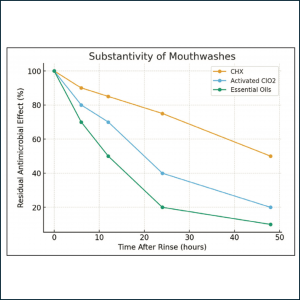
A growing debate questions whether antimicrobial mouthwashes disrupt the oral microbiome—the community of bacteria, fungi, and other microorganisms essential for health.
Oral Hygiene & Prevention 23 September 2023
UNC, U Penn community-based study offers dental disease insights

By UNC Adams School of Dentistry News
Their findings, reported in Nature Communications, showed that dental caries in childhood are characterized by an imbalance in the oral microbiome, and that previously unrecognized bacterial...
Orthodontics 03 May 2023
Impact of clear aligners on oral health, oral microbiome during orthodontic treatment

The present work highlighted further links between clear aligners and changes in oral health and the oral microbiome and provided plaque control methods for clear aligner trays.

The bacteria that cause oral infections can also contribute to patients developing life-threatening brain abscesses.
Editorials 26 February 2025
New research identifies a gene that could help fight head and neck cancers with immunotherapy

For people with head and neck cancers, the treatment can sometimes be as challenging as the disease.
Read more
Products 13 October 2026


New Resources Help Dental Exhibitors Evaluate Their Investment and Explore the Personify ShowFlow™ Trade Show Success System
News 13 October 2026

New patient apps extend The Aspen Group’s mission to remove barriers to care, giving patients greater visibility, convenience, and control from booking through treatment
Editorials 13 October 2026

The forerunner of what’s now Texas A&M College of Dentistry opened 120 years ago in Dallas with the mission of educating dentists to provide quality care to patients in North Texas
Oral pathology 13 October 2026
This peer-reviewed oral pathology article summarizes clinical evidence from Oral oncology (2026). It focuses on findings that may help dental professionals evaluate treatment decisions, patient...



Copyright © 2026 - All Rights Reserved
ISSN 2767-1178